Ragi or jowar: which is better for blood sugar?
Short answer
Ragi is the better pick for blood sugar. It has a lower GI (54 vs 62), and a usual serving has a glycemic load of 14 against 17 for jowar.
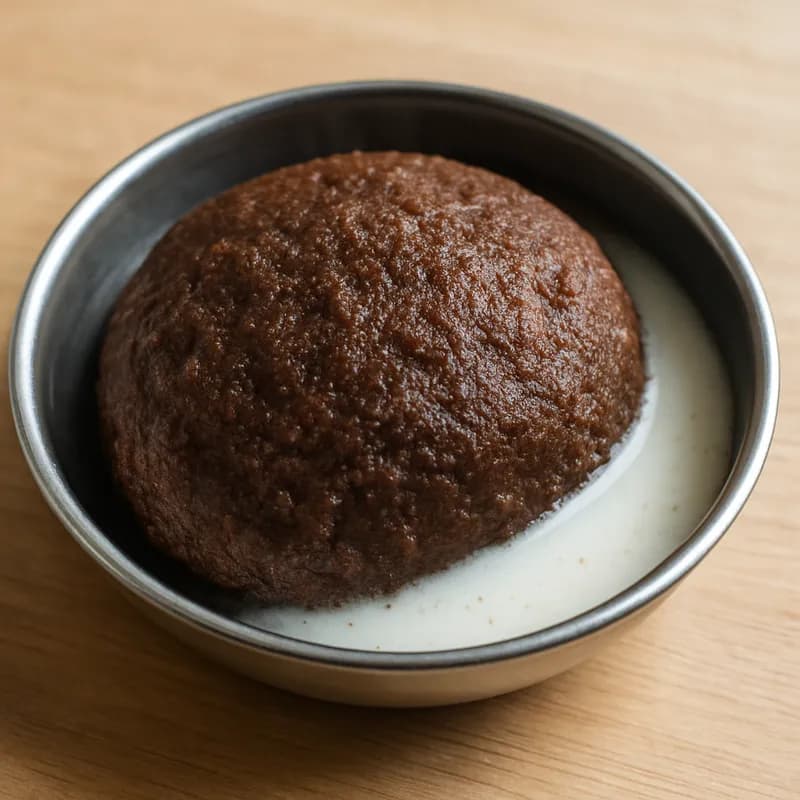 Better pick
Ragi (Finger Millet)
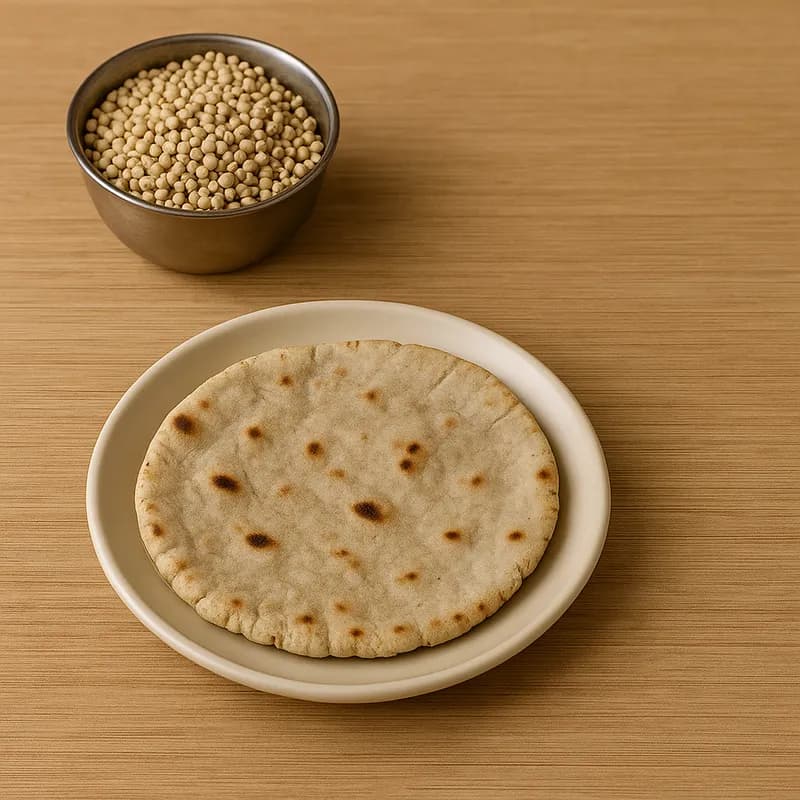
Jowar (Sorghum)
| Per usual serving | Ragi | Jowar |
|---|---|---|
| Glycemic index | 54 | 62 |
| Glycemic load per serving | 14 | 17 |
| Carbohydrates | 28 g | 34 g |
| Fiber | 5.5 g | 4.8 g |
| Protein | 5 g | 5.5 g |
| Sugars | 0.3 g | 0.5 g |
| Calories | 155 kcal | 163 kcal |
| Serving | 1 medium bowl (cooked) | 1 medium bowl (cooked) |
Highlighted values are the better of the two for blood sugar. Glycemic load counts the portion as well as the GI, so it is the fairer comparison when serving sizes differ.
What makes the difference
Both millets are good swaps for refined grains. Ragi is richer in calcium; jowar has a slightly lower GI. How you cook them matters: a soft ragi mudde or malt raises sugar faster than a ragi roti.
How to eat ragi with less of a spike
Ragi flour can be made into dosa batter, porridge, or mudde (balls). Fermentation of ragi batter further improves digestibility.
How to eat jowar with less of a spike
Jowar bhakri is best made fresh and hot. Combine with green leafy vegetable sabzi for a balanced low-GI meal.
Common questions
Which is better for diabetes, ragi or jowar?
Ragi is the better pick for blood sugar. It has a lower GI (54 vs 62), and a usual serving has a glycemic load of 14 against 17 for jowar.
What is the glycemic index of ragi and jowar?
Ragi (Finger Millet) has a GI of 54 (low) and Jowar (Sorghum) has a GI of 62 (medium). Glycemic load is 14 for ragi and 17 for jowar, based on usual servings of 1 medium bowl (cooked) and 1 medium bowl (cooked).
Ragi ya jowar, sugar ke mareez ke liye kya behtar hai?
Ragi behtar hai. Iska GI 54 hai, jabki jowar ka GI 62 hai. Phir bhi chhoti portion lein aur dal, sabzi ya dahi ke saath khayein.