Poha or upma: which is better for blood sugar?
Short answer
Poha and upma affect blood sugar about the same (GI 64 vs 66). How much you have, and what you have it with, matters more than which one you pick.
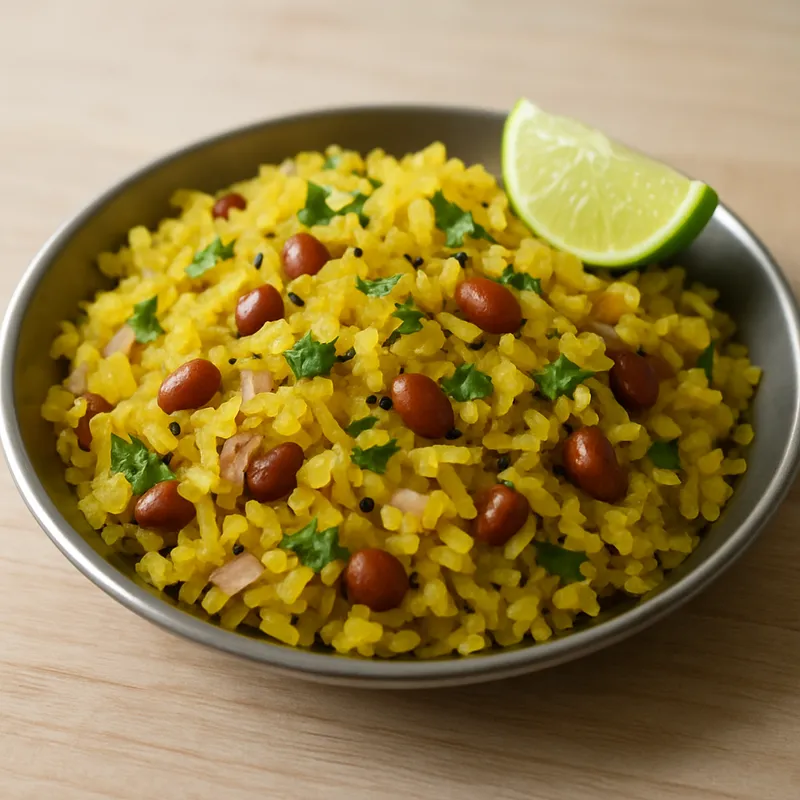
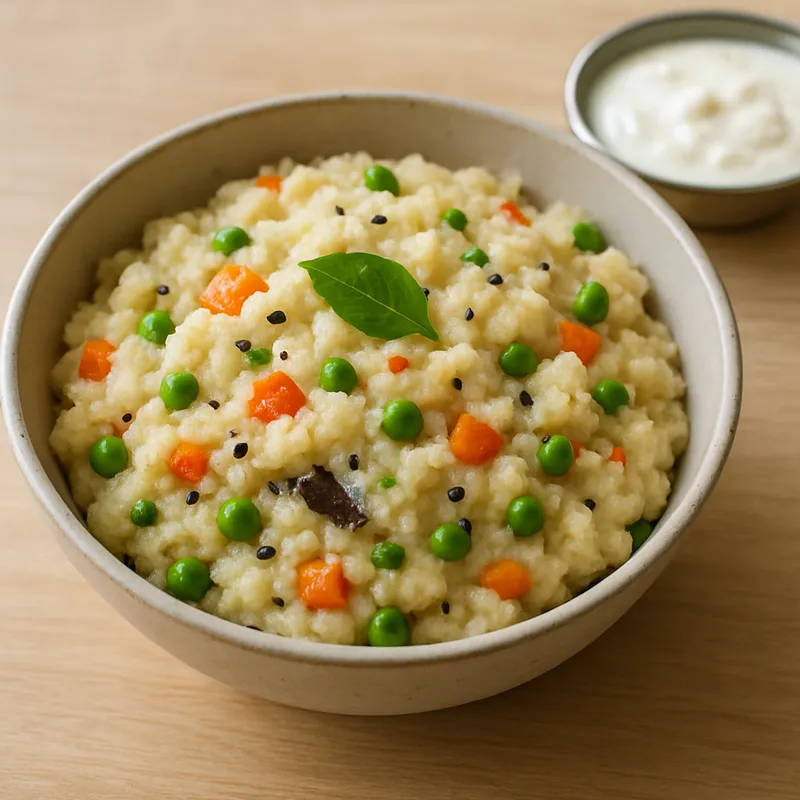
| Per usual serving | Poha | Upma |
|---|---|---|
| Glycemic index | 64 | 66 |
| Glycemic load per serving | 16 | 15 |
| Carbohydrates | 35 g | 32 g |
| Fiber | 1.5 g | 2.5 g |
| Protein | 4 g | 5 g |
| Sugars | 1 g | 1 g |
| Calories | 200 kcal | 190 kcal |
| Serving | 1 medium plate | 1 medium bowl |
Highlighted values are the better of the two for blood sugar. Glycemic load counts the portion as well as the GI, so it is the fairer comparison when serving sizes differ.
What makes the difference
Both are quick breakfasts with a medium GI. Either becomes much better for blood sugar with plenty of vegetables, a handful of peanuts or sprouts, and a smaller portion.
How to eat poha with less of a spike
Adding peanuts and vegetables to poha improves the nutritional profile. Use thick/medium poha rather than thin for slightly lower GI.
How to eat upma with less of a spike
Use broken wheat (daliya) or oats instead of rava for a much lower GI version. Add lots of vegetables to increase fiber.
Common questions
Which is better for diabetes, poha or upma?
Poha and upma affect blood sugar about the same (GI 64 vs 66). How much you have, and what you have it with, matters more than which one you pick.
What is the glycemic index of poha and upma?
Poha (Flattened Rice) has a GI of 64 (medium) and Upma has a GI of 66 (medium). Glycemic load is 16 for poha and 15 for upma, based on usual servings of 1 medium plate and 1 medium bowl.
Poha ya upma, sugar ke mareez ke liye kya behtar hai?
Dono ka blood sugar par asar lagbhag ek jaisa hai (GI 64 aur 66), isliye dono ko kam matra mein hi lein. Kitna khaate hain aur kiske saath khaate hain, yeh zyada maayne rakhta hai.