Glycemic index of rice dishes and grains
Rice is the biggest source of carbohydrate on most Indian plates, so the kind of rice and the size of the portion matter more here than anywhere else. Polished white rice and soft, mushy rice dishes raise blood sugar quickly; brown, red and hand-pounded rice, millets and dishes cooked with plenty of dal and vegetables are gentler.
Best picks for blood sugar
Keep these small
Easy swaps
The same kind of food, with a gentler effect on blood sugar.
Rice dishes and grains ranked by glycemic index
Lowest GI first. Tap any food for its full nutrition, portion advice and swaps.
| Food | GI | GL | Serving | Calories | Protein | Fiber |
|---|---|---|---|---|---|---|
| Barley (Jau, Cooked) | 28 | 12 | 1 cup (cooked) | 193 kcal | 3.5g | 6g |
| Foxtail Millet | 44 | 12 | 1 medium bowl (cooked) | 160 kcal | 6g | 6.7g |
| Daliya (Broken Wheat) | 48 | 12 | 1 medium bowl (cooked) | 140 kcal | 5g | 5g |
| Brown Rice | 50 | 16 | 1 medium bowl (cooked) | 170 kcal | 5g | 3.5g |
| Kodo Millet (Kodo / Arikelu, Cooked) | 50 | 20 | 1 medium bowl (cooked) | 175 kcal | 4.5g | 5g |
| Barnyard Millet (Sanwa / Samvat / Udalu, Cooked) | 50 | 19 | 1 medium bowl (cooked) | 165 kcal | 4g | 6g |
| Little Millet (Samai / Kutki, Cooked) | 52 | 21 | 1 medium bowl (cooked) | 180 kcal | 4g | 4g |
| Quinoa (Cooked) | 53 | 21 | 1 cup (cooked) | 222 kcal | 8g | 5.2g |
| Ragi (Finger Millet) | 54 | 14 | 1 medium bowl (cooked) | 155 kcal | 5g | 5.5g |
| Bajre ki Khichdi | 54 | 18 | 1 bowl | 250 kcal | 9g | 6g |
| Bajra (Pearl Millet) | 55 | 15 | 1 medium bowl (cooked) | 170 kcal | 6g | 5g |
| Oats | 55 | 13 | 1 cup (cooked from 40g dry) | 150 kcal | 5g | 4g |
| Hand-Pounded Rice | 55 | 20 | 1 medium bowl (cooked) | 180 kcal | 4.5g | 2.5g |
| Red Rice (Matta / Kerala Rosematta, Cooked) | 55 | 24 | 1 medium bowl (cooked) | 165 kcal | 3.5g | 2g |
| Curd Rice (Thayir Sadam) | 55 | 19 | 1 medium bowl | 220 kcal | 6g | 1g |
| Pakhala Bhata (Fermented Rice) | 55 | 23 | 1 bowl with water | 200 kcal | 4g | 1g |
| Pasta (Indian Masala) | 55 | 25 | 1 plate | 300 kcal | 9g | 3g |
| Basmati Rice | 58 | 22 | 1 medium bowl (cooked) | 190 kcal | 4.5g | 0.8g |
| Vermicelli (Semiya / Seviyan, Cooked Plain) | 58 | 23 | 1 medium bowl (cooked upma) | 200 kcal | 5g | 2g |
| Khechudi | 58 | 21 | 1 bowl | 260 kcal | 9g | 4g |
| Ragi Mudde (Ragi Sangati) | 58 | 21 | 1 ball | 170 kcal | 3.6g | 5.5g |
| Moong Dal Khichdi | 58 | 28 | 1 bowl | 280 kcal | 10g | 5g |
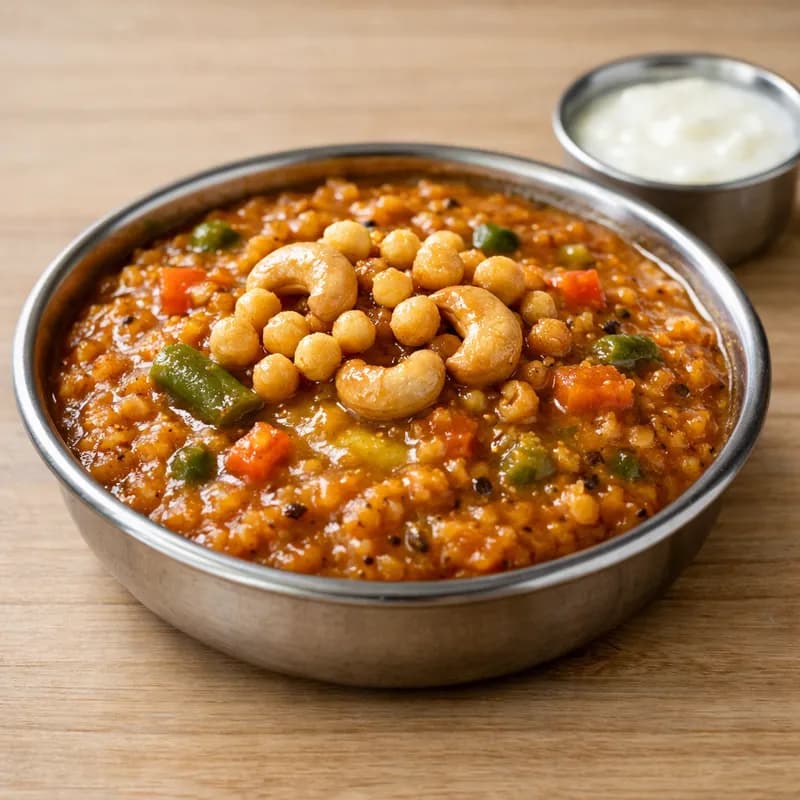
| Bisi Bele Bath | 60 | 30 | 1 plate (about 1.5 cups) | 330 kcal | 10g | 6g |
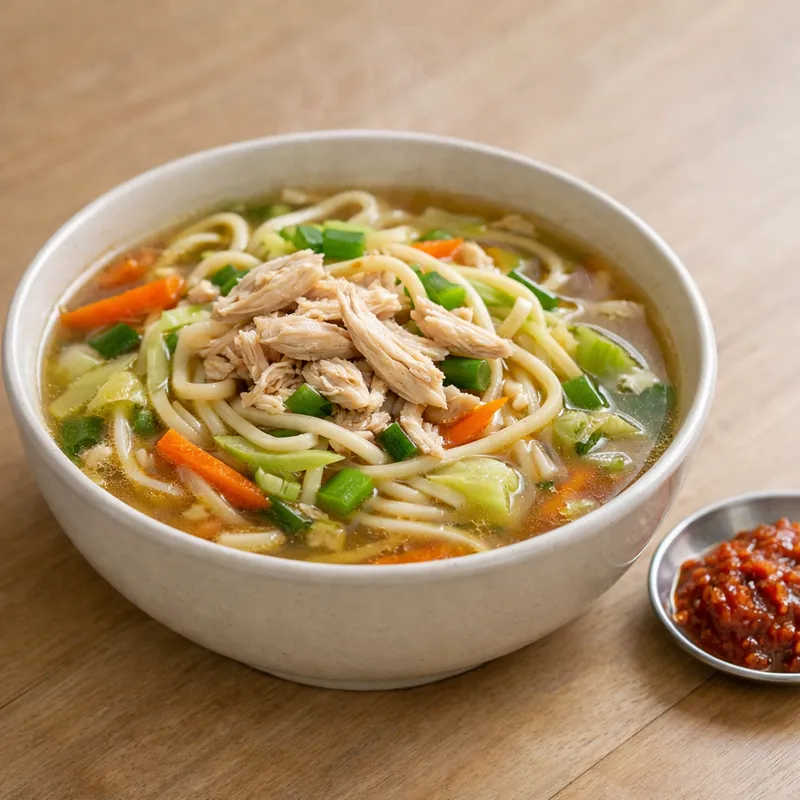
| Thukpa (Noodle Soup) | 60 | 27 | 1 bowl | 320 kcal | 18g | 4g |
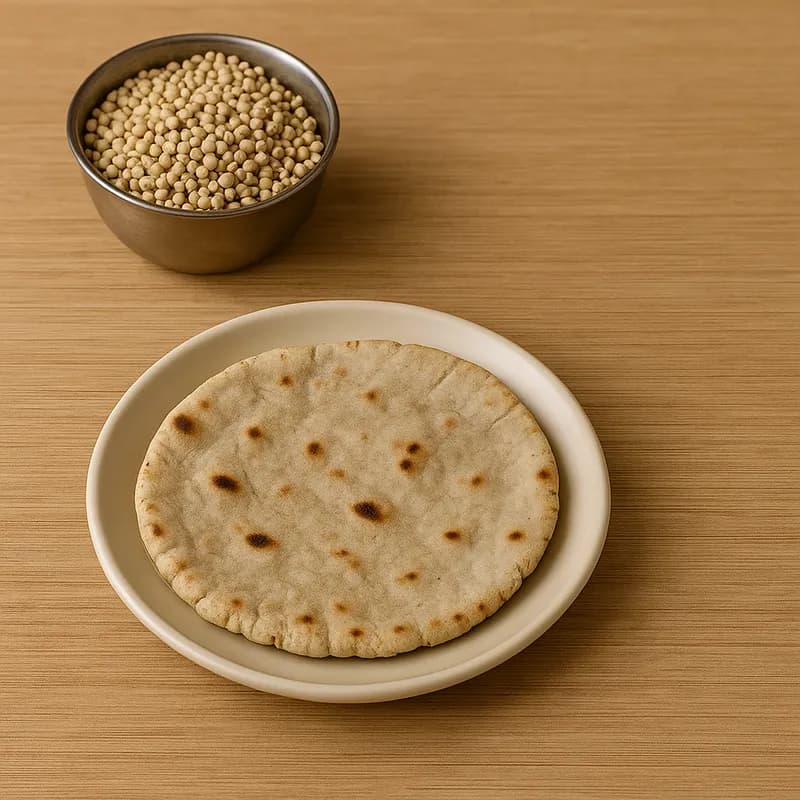
| Jowar (Sorghum) | 62 | 17 | 1 medium bowl (cooked) | 163 kcal | 5.5g | 4.8g |
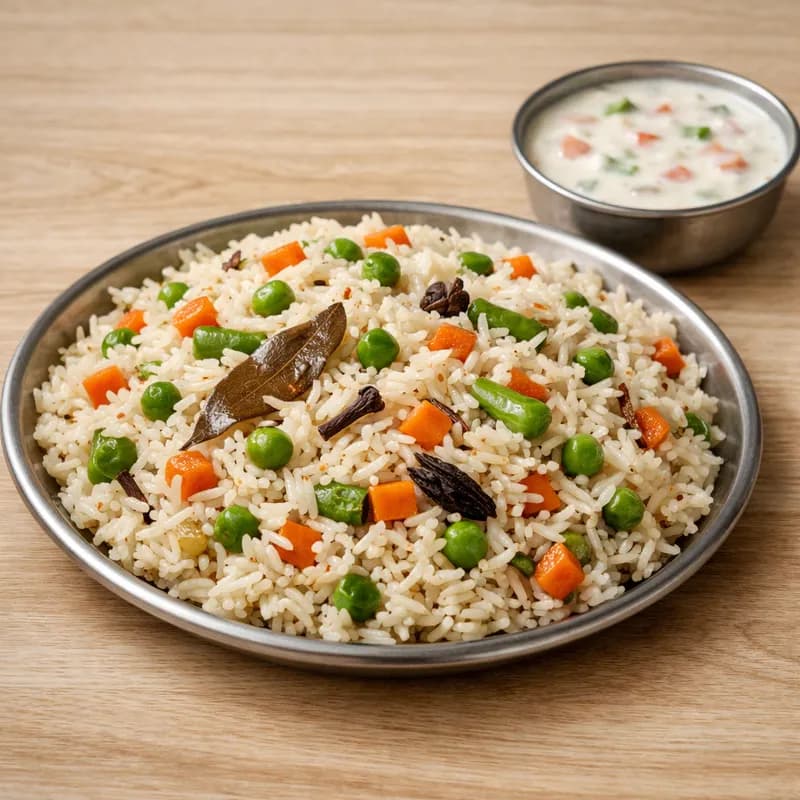
| Veg Pulao | 65 | 33 | 1 plate | 300 kcal | 6g | 3g |
| Suji (Rava / Semolina) | 66 | 19 | 40 g dry (makes 1 bowl upma) | 144 kcal | 5g | 1.6g |
| Lemon Rice (Chitranna) | 67 | 25 | 1 medium bowl | 250 kcal | 4g | 1.5g |
| Tamarind Rice (Pulihora) | 68 | 27 | 1 medium bowl | 270 kcal | 5g | 2g |
| Joha Rice (Assam Aromatic Rice) | 68 | 29 | 1 cup cooked | 195 kcal | 4g | 1g |
| Veg Fried Rice | 72 | 36 | 1 plate | 330 kcal | 6g | 2.5g |
| White Rice (Polished) | 73 | 30 | 1 medium bowl (cooked) | 195 kcal | 4g | 0.6g |
| Modur Pulao (Kashmiri Sweet Saffron Rice) | 75 | 51 | 1 plate | 420 kcal | 6g | 1.5g |
| Sabudana (Tapioca Pearls, Cooked) | 85 | 33 | 1 medium bowl (cooked khichdi) | 215 kcal | 1g | 1g |
| Rajgira (Amaranth) | 97 | 19 | 1 cup popped (30 g) | 112 kcal | 4g | 2g |
GL and nutrition are per serving. How these values are sourced
Low-GI rice dishes and grains
GI 55 or below. These raise blood sugar slowly and make good everyday choices.
 GI 28· Low
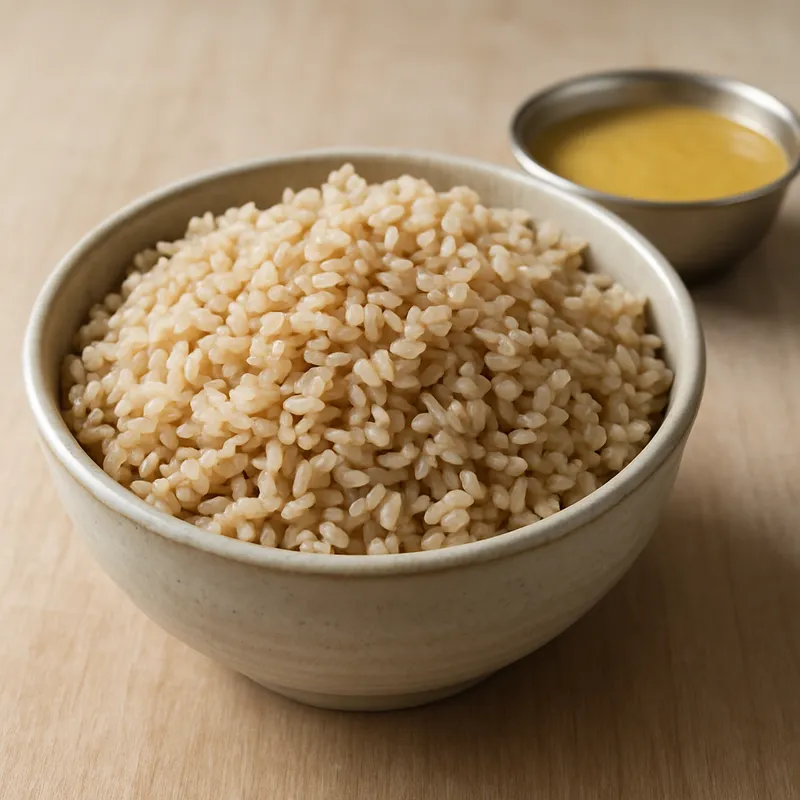
Barley (Jau, Cooked)
जौ · బార్లీ
Pearl barley is a fiber-rich whole grain valued for its beta-glucan content, which slows digestion. One of the lowest-GI grains, often used in soups, khichdi and porridge.
 GI 44· Low
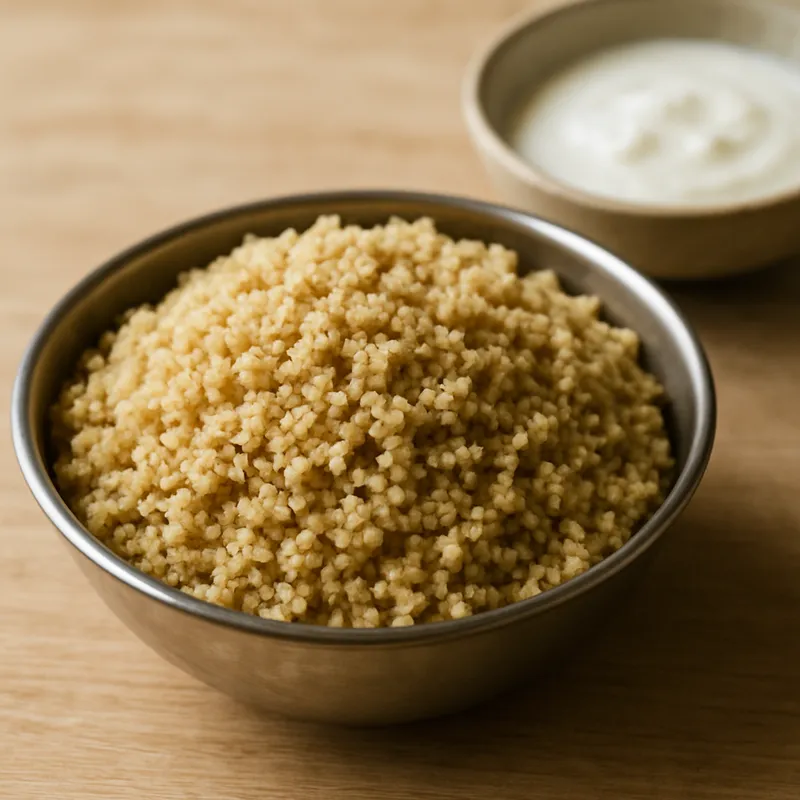
Foxtail Millet
कांगनी · కొర్రలు
A traditional Indian millet making a comeback. Excellent low-GI alternative to rice with higher protein and mineral content.
 GI 48· Low
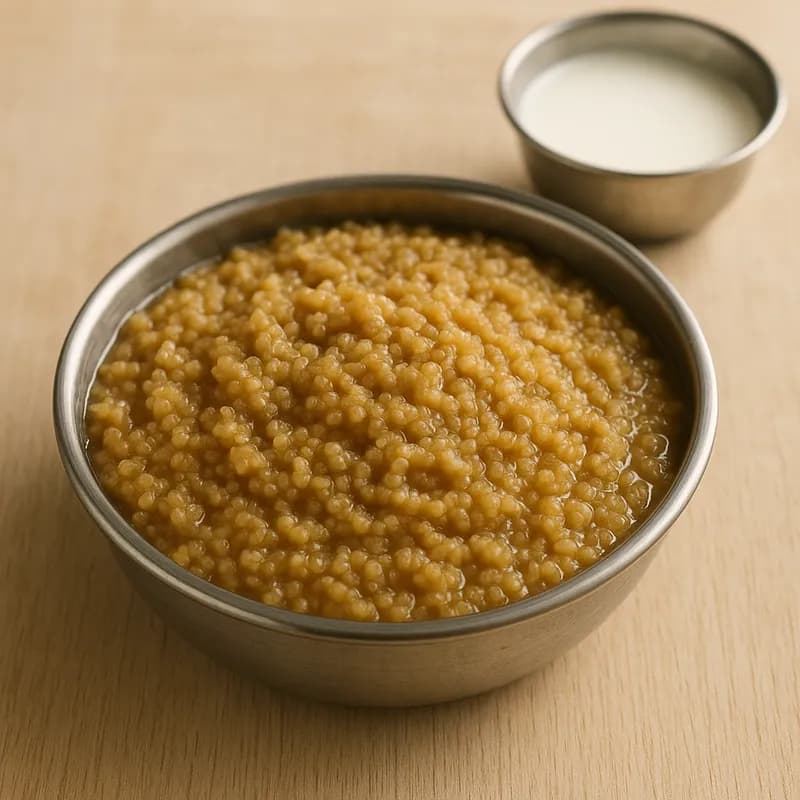
Daliya (Broken Wheat)
दलिया · గోధుమ రవ్వ
Cracked wheat porridge, a traditional North Indian breakfast. High fiber content makes it a better choice than refined wheat products.
 GI 50· Low
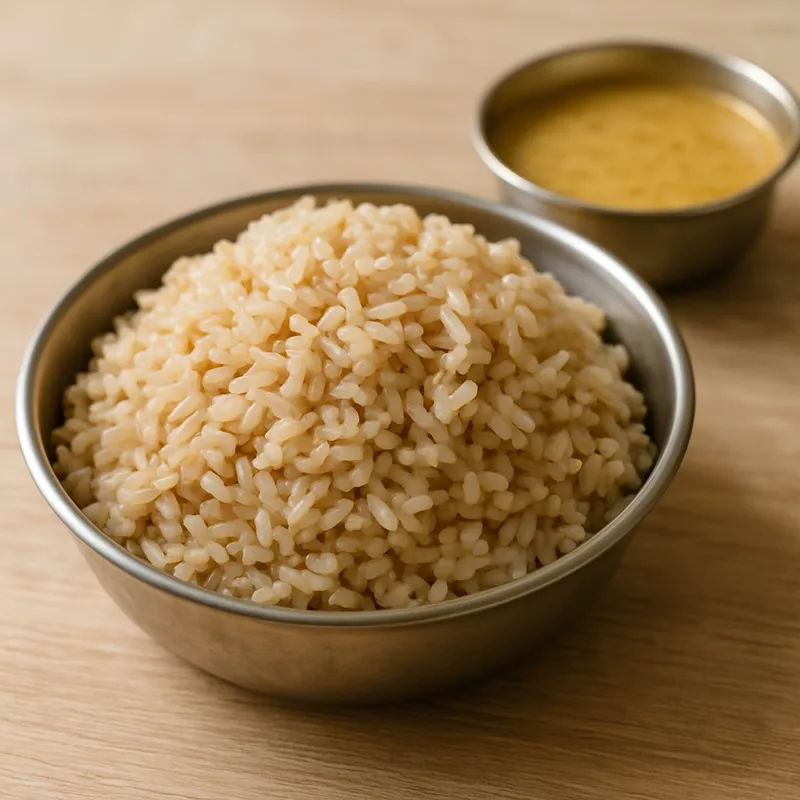
Brown Rice
ब्राउन चावल · బ్రౌన్ బియ్యం
Unpolished rice with bran intact. Higher fiber content results in slower glucose absorption compared to white rice.
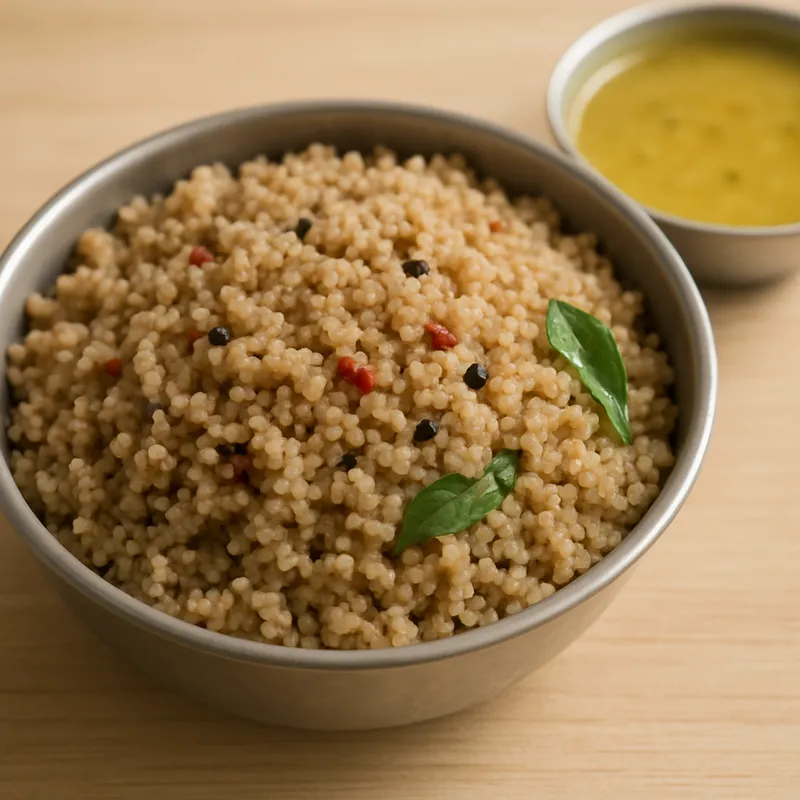 GI 50· Low
Kodo Millet (Kodo / Arikelu, Cooked)
कोदो · అరికెలు
An ancient, easily digestible millet high in fiber and antioxidants, used in place of rice in pulao, upma and khichdi. Low GI makes it diabetic-friendly.
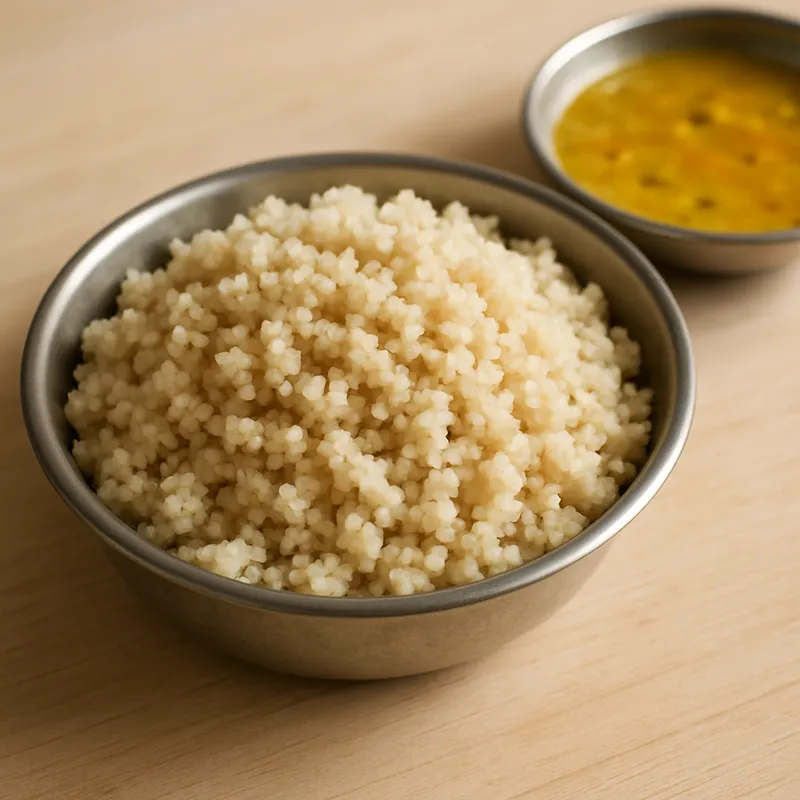 GI 50· Low
Barnyard Millet (Sanwa / Samvat / Udalu, Cooked)
सांवा · ఊదలు
A fast-cooking millet often eaten during fasting as a rice replacement. Among the lowest-GI millets, it is high in fiber and low in calories.
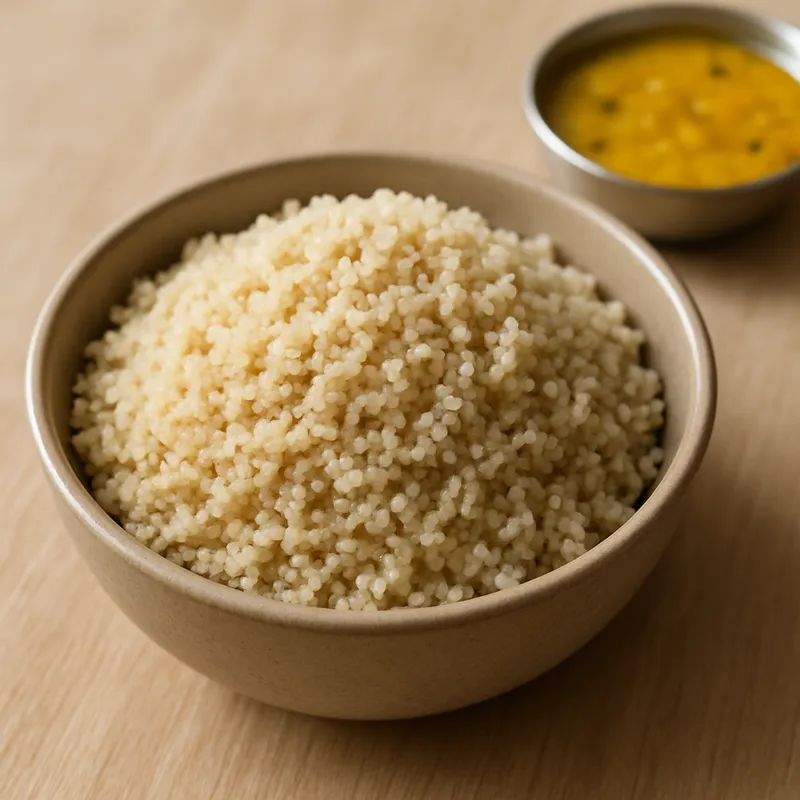 GI 52· Low
Little Millet (Samai / Kutki, Cooked)
कुटकी · సామలు
A small-grained drought-resistant millet used as a rice substitute in South Indian meals. Rich in fiber and iron with a low to medium GI.
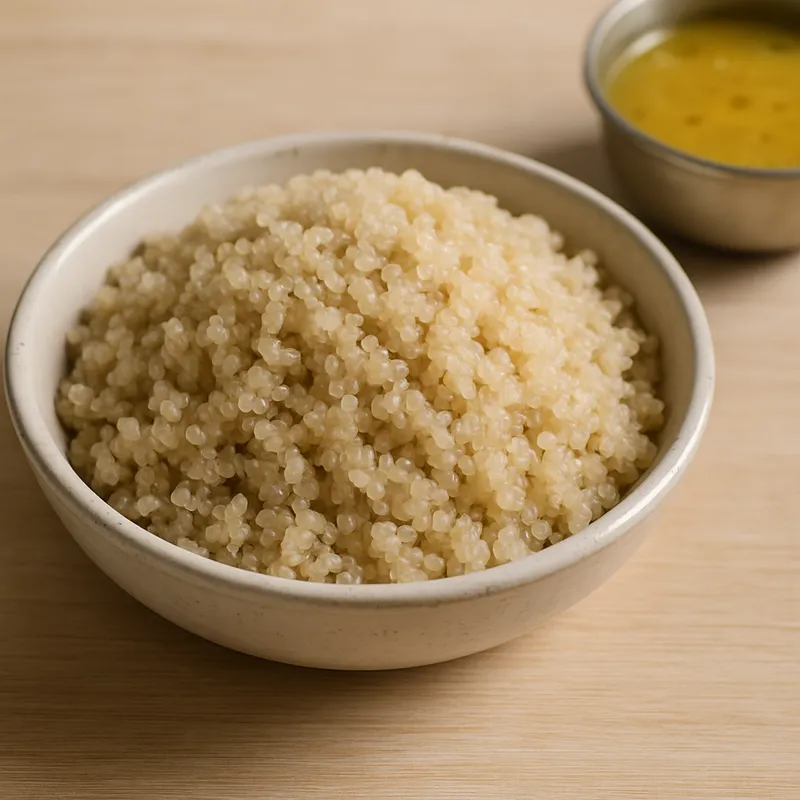 GI 53· Low
Quinoa (Cooked)
क्विनोआ · క్వినోవా
A protein-rich pseudo-cereal increasingly used in Indian kitchens as a rice substitute in pulao, upma and salads. Low to medium GI with good fiber and complete protein.
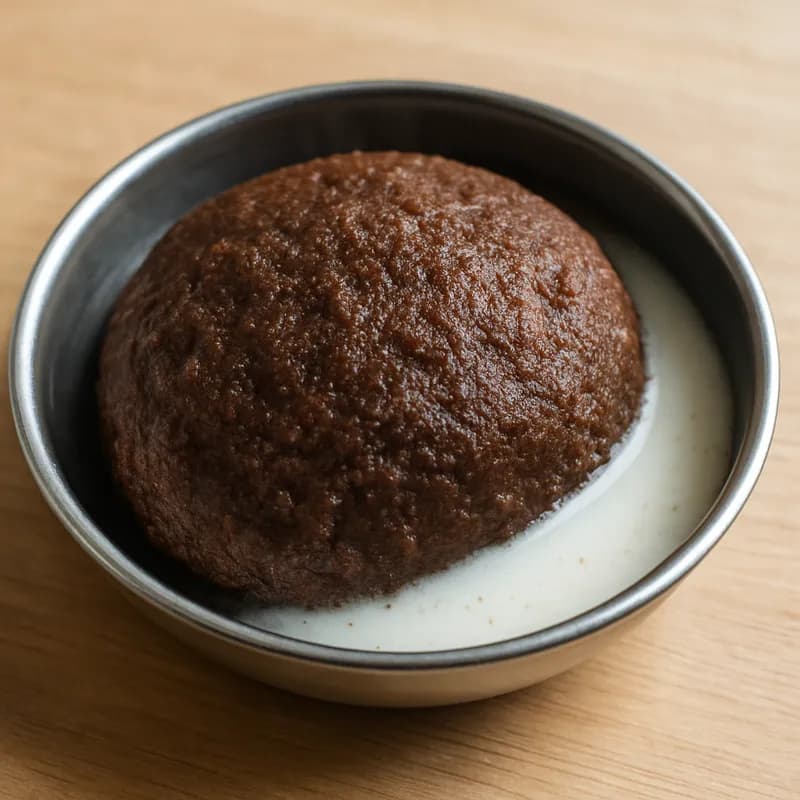 GI 54· Low
Ragi (Finger Millet)
रागी · రాగులు
Nutrient-dense millet rich in calcium and iron. Popular in South India as ragi mudde, dosa, and porridge. Excellent for diabetics.
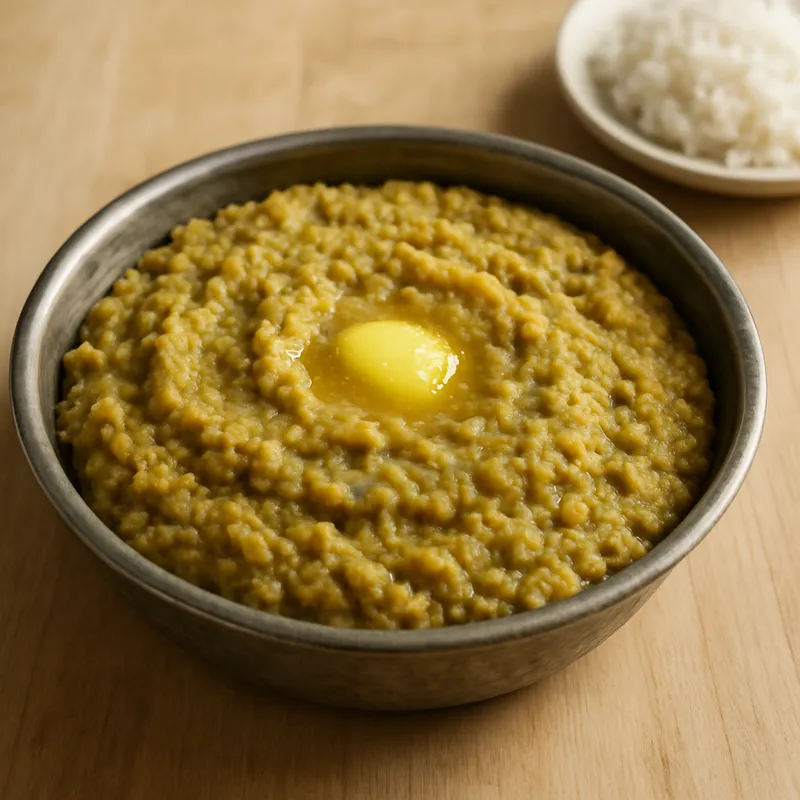 GI 54· Low
Bajre ki Khichdi
बाजरे की खिचड़ी · బాజ్రా ఖిచ్డీ
A rustic Rajasthani one-pot dish of pearl millet (bajra) and moong dal cooked soft with ghee. The millet's fiber and the dal's protein give it a much lower GI than rice khichdi.
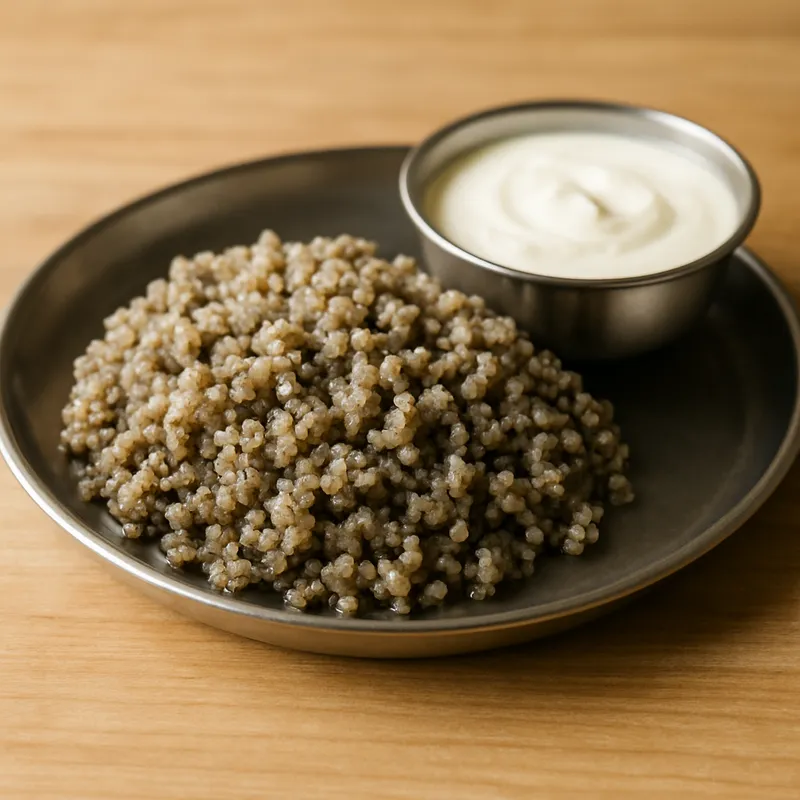 GI 55· Low
Bajra (Pearl Millet)
बाजरा · సజ్జలు
Staple grain of Rajasthan and Gujarat. High in iron and zinc. Used for rotis and khichdi.
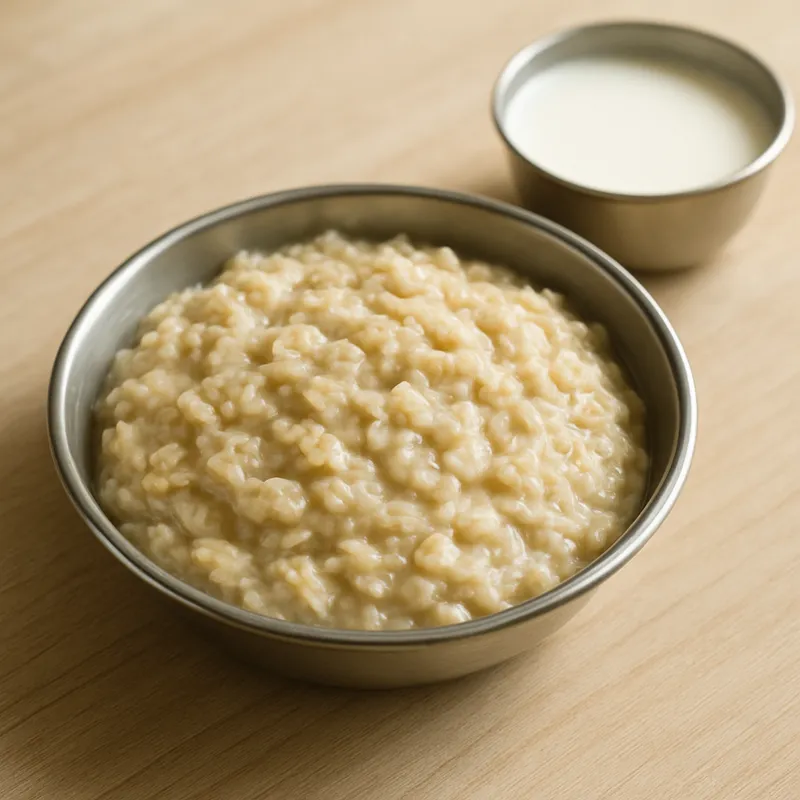 GI 55· Low
Oats
ओट्स · ఓట్స్
Rolled oats widely adopted in Indian breakfasts. Rich in beta-glucan fiber which helps regulate blood sugar.
Showing 12 of 17. The rest are in the ranked table above.
Medium-GI rice dishes and grains
GI 56 to 69. Fine in moderate portions, ideally with protein or fiber on the plate.
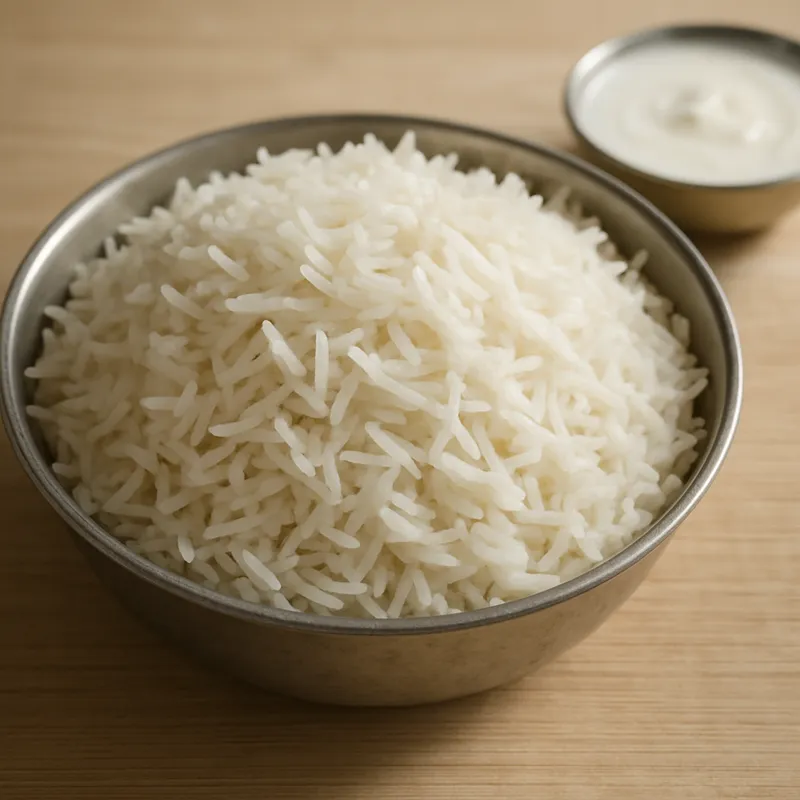 GI 58· Medium
Basmati Rice
बासमती चावल · బాస్మతి బియ్యం
Long-grain aromatic rice with a lower GI than regular white rice due to its higher amylose content.
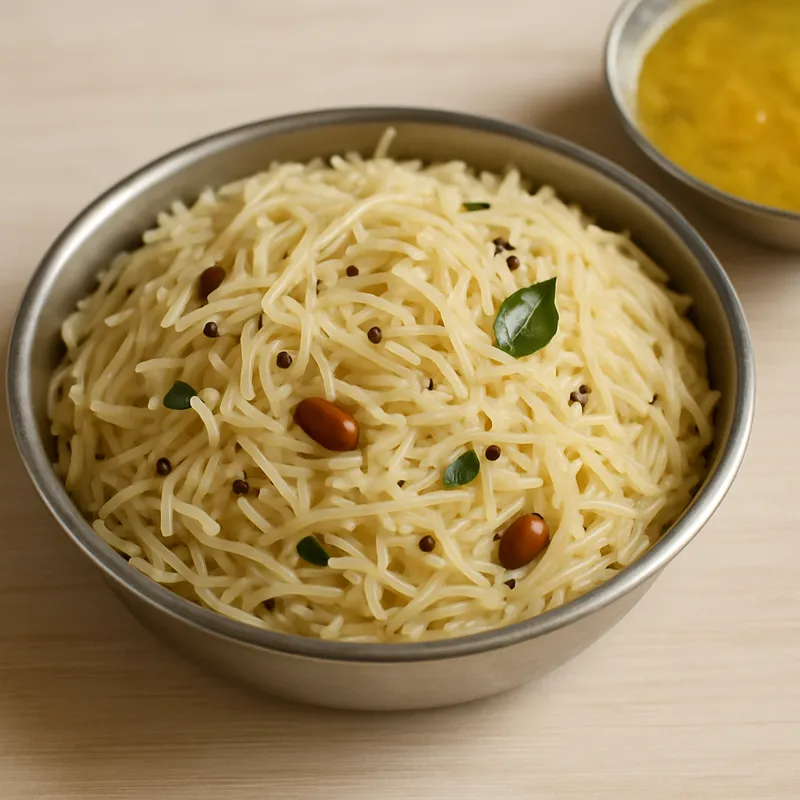 GI 58· Medium
Vermicelli (Semiya / Seviyan, Cooked Plain)
सेवइयाँ · సేమియా
Thin wheat-flour vermicelli used to make upma, kheer and pulao. Made largely from refined wheat, it has a medium GI that rises if cooked very soft.
 GI 58· Medium
Khechudi
खेचुड़ी · ఖేచుడి
Odia khichdi of rice and moong dal cooked with ghee, cumin and ginger — the famous Jagannath temple bhoga and a comforting home meal. The dal lowers its GI compared with plain rice.
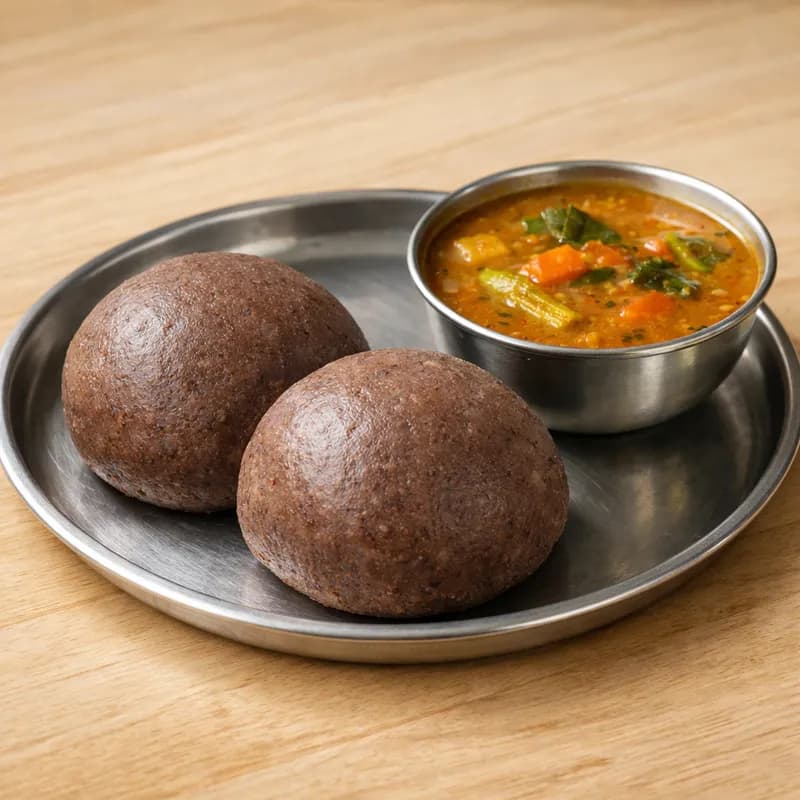 GI 58· Medium
Ragi Mudde (Ragi Sangati)
रागी मुद्दे · రాగి ముద్ద
Karnataka and Rayalaseema staple of ragi flour stirred into boiling water and shaped into soft balls, eaten with sambar, saaru or soppu curry. Whole finger millet gives fiber and calcium, but the very soft, cooked-through texture digests faster than a ragi roti.
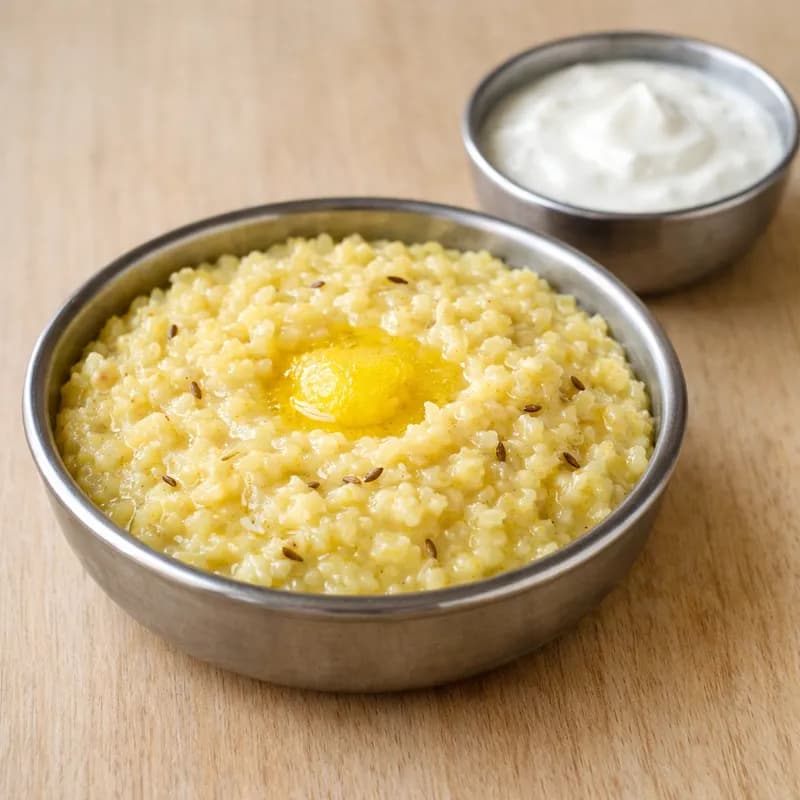 GI 58· Medium
Moong Dal Khichdi
मूंग दाल खिचड़ी · పెసరపప్పు కిచిడీ
Comfort meal of rice and yellow moong dal cooked soft with turmeric, cumin and ghee, eaten across India when unwell or tired. The dal adds protein and slows the rice a little, but a soft, mushy khichdi still gives a fairly quick rise.
 GI 60· Medium
Bisi Bele Bath
बिसी बेले भात · బిసి బేళే బాత్
Karnataka's one-pot rice and toor dal dish cooked with vegetables, tamarind and a roasted spice powder, finished with ghee and served hot. The dal and vegetables add protein and fiber, but it is still mostly rice.
 GI 60· Medium
Thukpa (Noodle Soup)
थुकपा · తుక్పా
Tibetan-style noodle soup popular in Sikkim, Arunachal Pradesh and the hills: wheat noodles in a hot broth with vegetables and chicken, egg or mutton. The broth and vegetables are light; the noodles carry the carbohydrate.
 GI 62· Medium
Jowar (Sorghum)
ज्वार · జొన్నలు
Gluten-free millet widely consumed in Maharashtra and Karnataka. Used for rotis, bhakri, and porridge.
 GI 65· Medium
Veg Pulao
वेज पुलाव · వెజ్ పులావ్
Basmati rice cooked with whole spices, ghee and mixed vegetables like peas, carrots and beans. Basmati and the added fat keep it from being as fast as plain white rice, but a full plate is still a large serving of refined carbs.
 GI 66· Medium
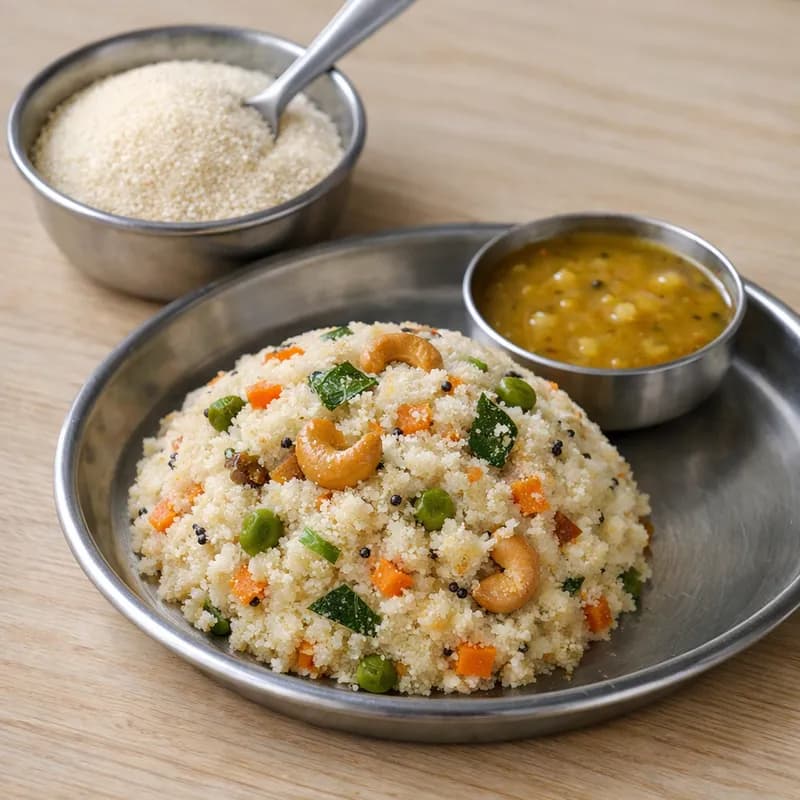
Suji (Rava / Semolina)
सूजी · బొంబాయి రవ్వ
Coarsely ground refined wheat, the base of upma, rava idli, rava dosa, halwa and kesari. Being refined, it has little fiber and a medium GI; how high your sugar goes depends mostly on what you cook with it.
 GI 67· Medium
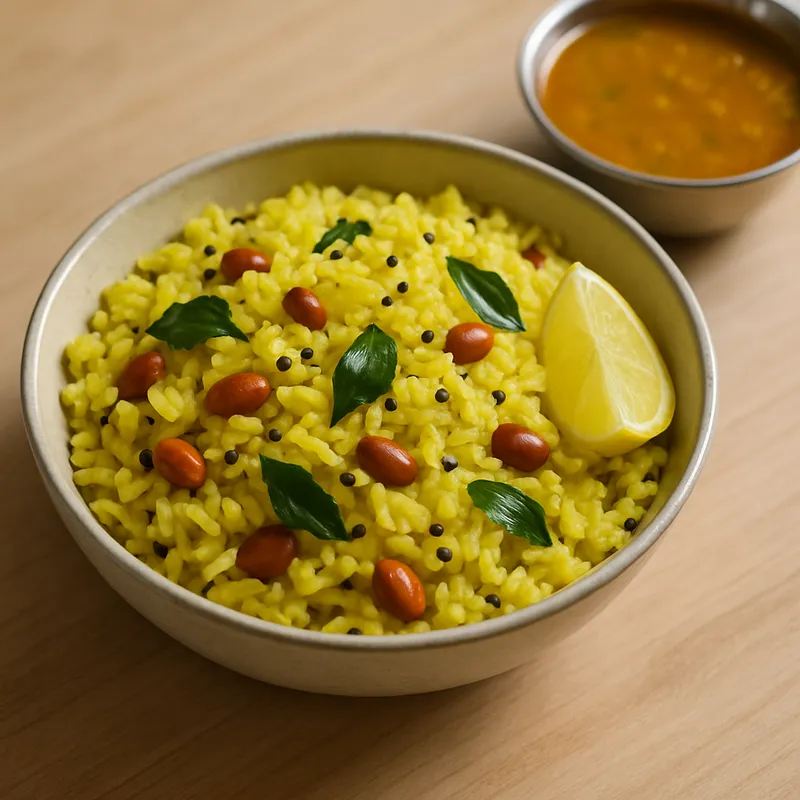
Lemon Rice (Chitranna)
नींबू चावल · నిమ్మకాయ అన్నం
Tangy South Indian rice tempered with mustard, curry leaves, peanuts and turmeric, finished with lemon juice. The peanuts and oil add fat that modestly slows glucose absorption.
 GI 68· Medium
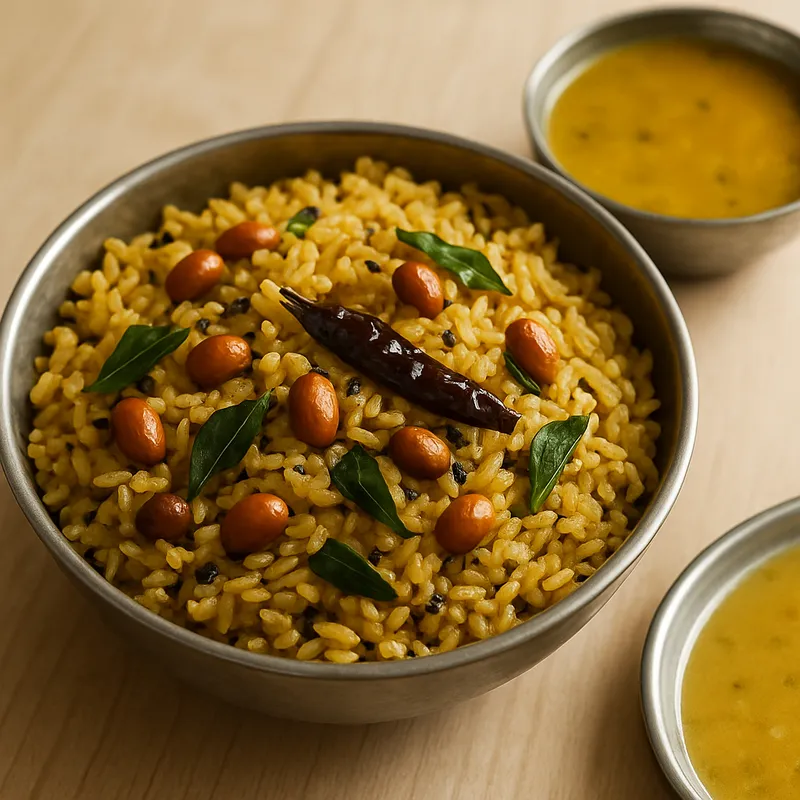
Tamarind Rice (Pulihora)
इमली चावल · పులిహోర
Festive Andhra and Tamil rice cooked with a tangy tamarind-and-spice paste, peanuts and sesame. Flavourful but rice-heavy, so portion control matters for blood sugar.
Showing 12 of 13. The rest are in the ranked table above.
High-GI rice dishes and grains to keep small
GI 70 or above. These raise blood sugar fastest, so keep portions small and have them with a meal.
 GI 72· High
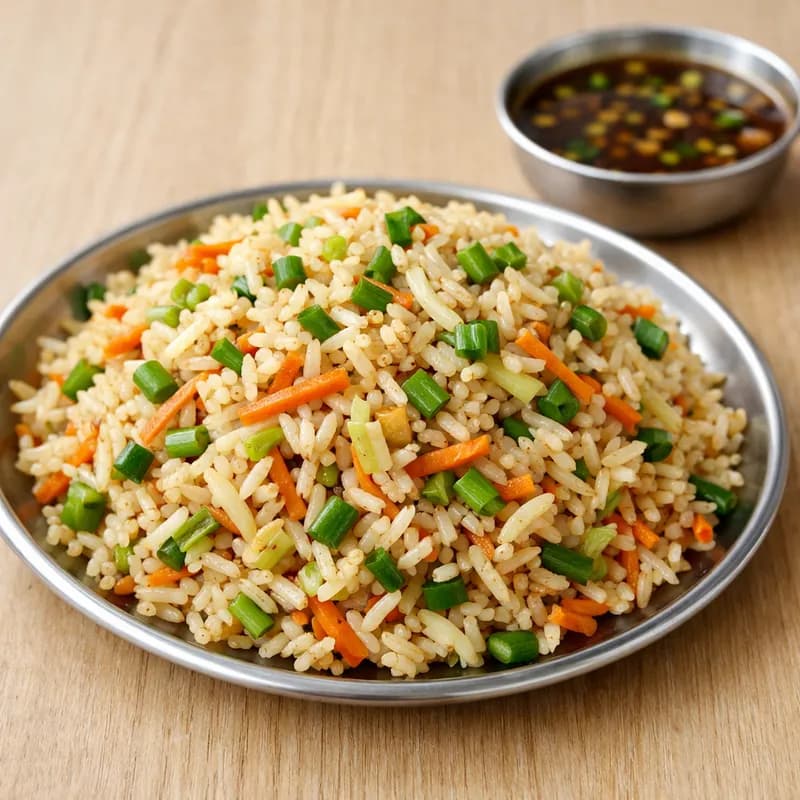
Veg Fried Rice
वेज फ्राइड राइस · వెజ్ ఫ్రైడ్ రైస్
Indo-Chinese street and restaurant favourite of white rice stir-fried with cabbage, carrot, beans, spring onion and soy sauce. Mostly polished white rice cooked soft, so it raises blood sugar quickly.
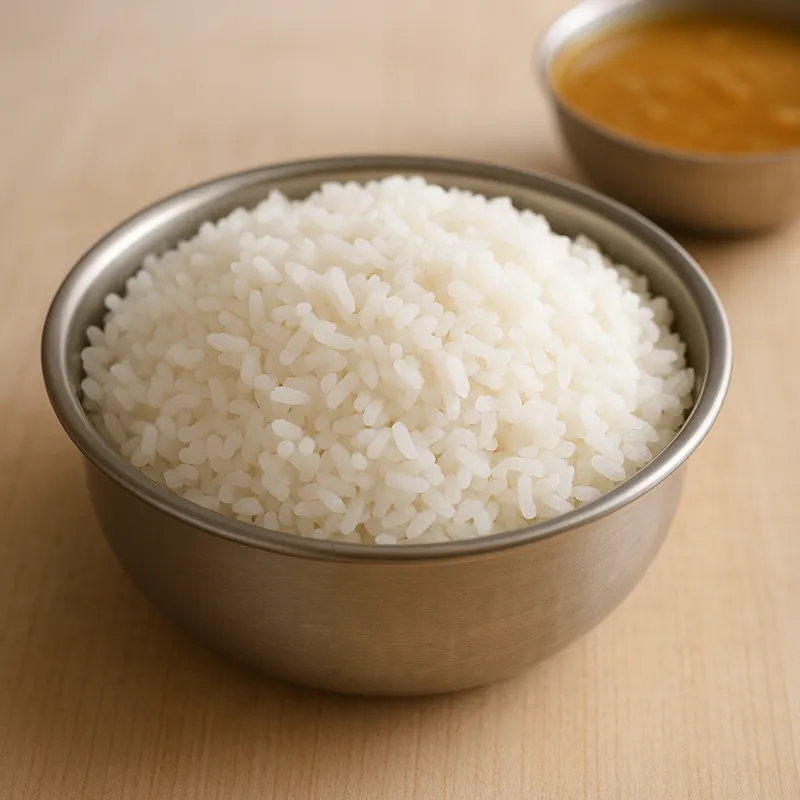 GI 73· High
White Rice (Polished)
सफेद चावल · తెల్ల బియ్యం
Polished white rice, the most commonly consumed staple in India. High GI due to removal of bran and fiber during polishing.
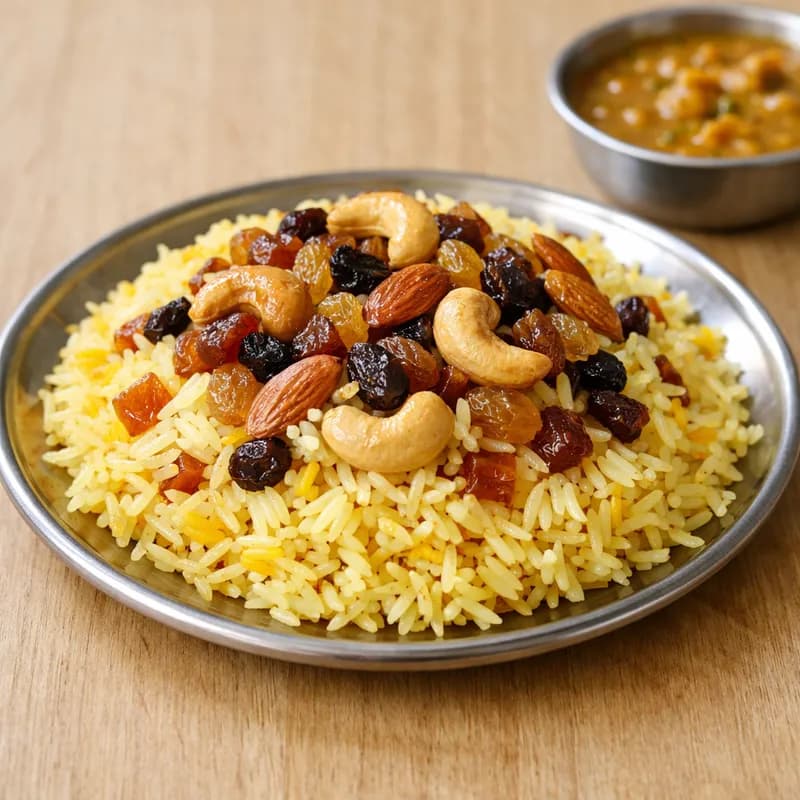 GI 75· High
Modur Pulao (Kashmiri Sweet Saffron Rice)
मोदुर पुलाव · మోదుర్ పులావ్
Festive Kashmiri pulao of basmati rice cooked with ghee, sugar, saffron, milk, cinnamon and plenty of dry fruits. White rice plus sugar gives it a very high glycemic load.
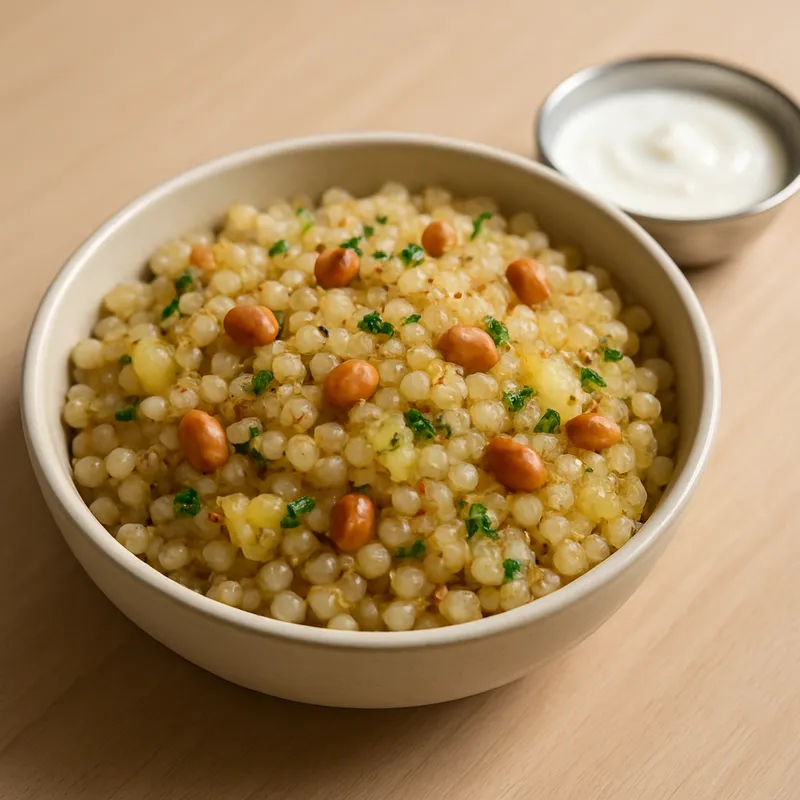 GI 85· High
Sabudana (Tapioca Pearls, Cooked)
साबूदाना · సగ్గుబియ్యం
Tapioca pearls made from cassava starch, commonly eaten during fasting as khichdi or kheer. Almost pure starch, giving it a very high GI and minimal fiber or protein.
 GI 97· High
Rajgira (Amaranth)
राजगिरा · రాజగిరా (తోటకూర గింజలు)
Tiny amaranth seeds, popped and eaten as a fasting (vrat) food in ladoos, chikki, kheer and rotis. It is rich in protein and calcium, but popping turns the starch so easy to digest that it raises blood sugar almost as fast as glucose.
Which is better? Side-by-side comparisons
Related guides
Common questions
Which rice dishes and grains are best for diabetes?
Choose carefully: 17 of the 35 rice dishes and grains on GlycemicIndia are low GI. The best picks for blood sugar are Barley (Jau, Cooked) (28), Foxtail Millet (44), Daliya (Broken Wheat) (48), Brown Rice (50), Kodo Millet (Kodo / Arikelu, Cooked) (50).
Which rice dishes and grains should sugar patients limit?
The highest-GI rice dishes and grains are Rajgira (Amaranth) (97), Sabudana (Tapioca Pearls, Cooked) (85), Modur Pulao (Kashmiri Sweet Saffron Rice) (75), White Rice (Polished) (73), Veg Fried Rice (72). You don't have to give them up entirely: keep the portion small, have them after a meal rather than on an empty stomach, and pair them with protein, fiber or curd.
Sugar ke mareez kaun sa chawal ya anaaj kha sakte hain?
Jau, kangni, daliya, brown chawal jaise options sabse behtar hain, kyunki inka GI kam hai aur yeh sugar dheere badhate hain. rajgira, sabudana, modur pulao kam matra mein hi lein, aur dal, sabzi ya dahi ke saath khayein.
Can diabetics eat rice every day?
Yes, but the portion and the type matter. White rice has a GI of 73 and a glycemic load of 30 per 1 medium bowl (cooked). Brown rice (GI 50) or a millet is a better daily base. Fill half the plate with vegetables and a quarter with dal, and keep rice to the remaining quarter.
Building a full meal? Add foods to the meal calculator to see the glycemic load of the whole plate, or browse the complete list of low-GI Indian foods.