344 Indian foods · English · हिंदी · తెలుగు
Will this food raise my blood sugar?
Glycemic index, glycemic load and plain-language answers for everyday Indian food, from idli and jowar roti to gud and Maggi. Search in English, Hindi or Telugu.
What the GI number means
How fast a food turns into blood sugar, compared with pure glucose at 100.
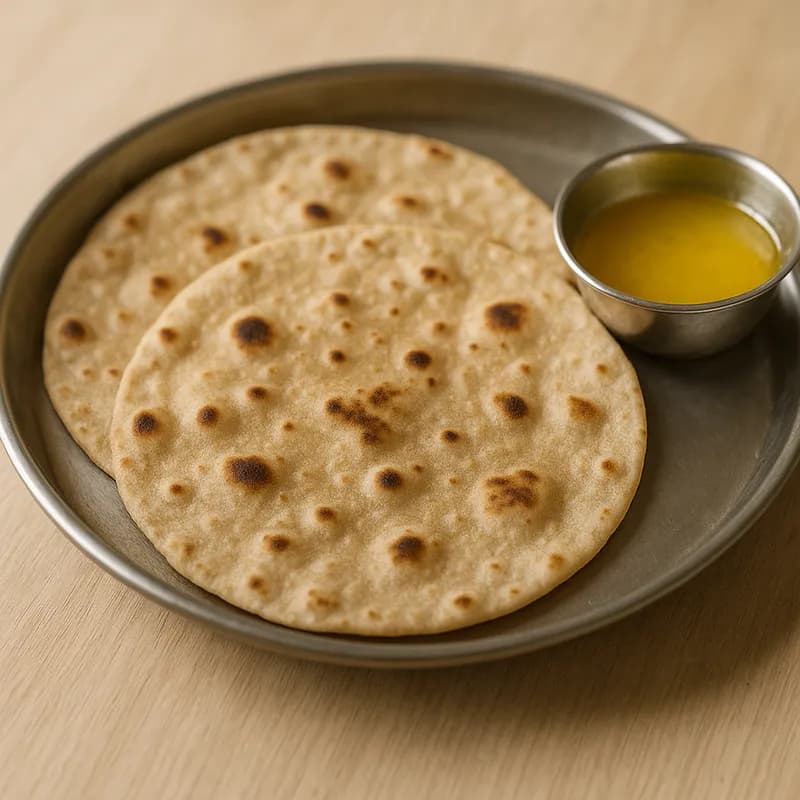
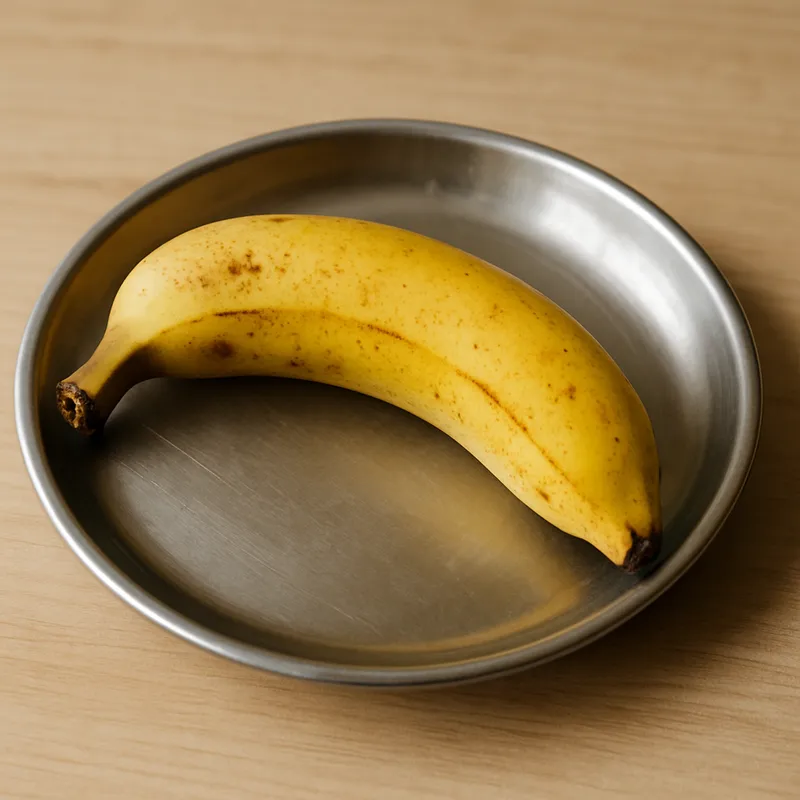
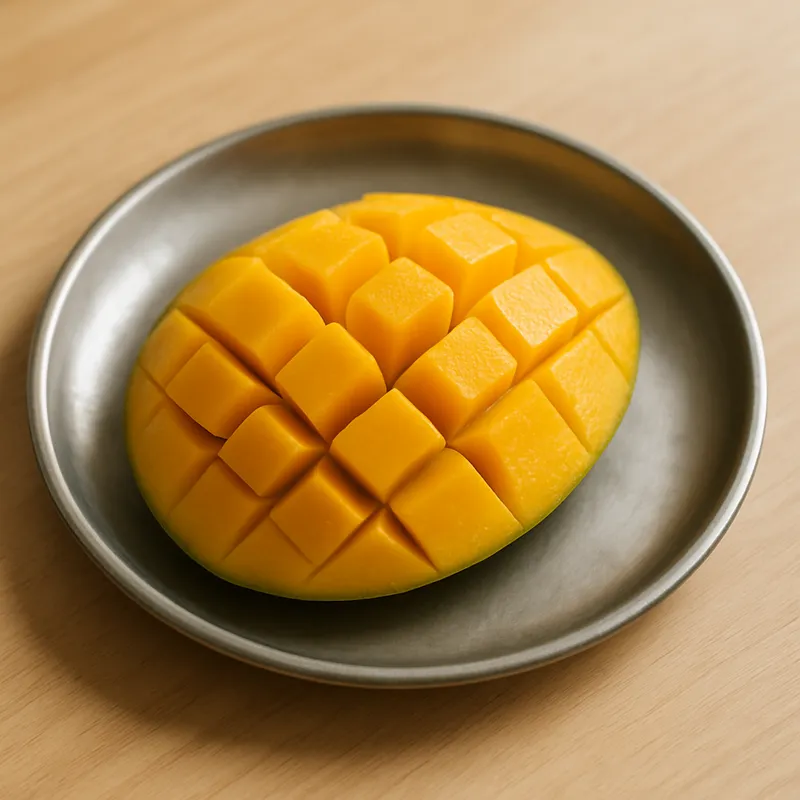
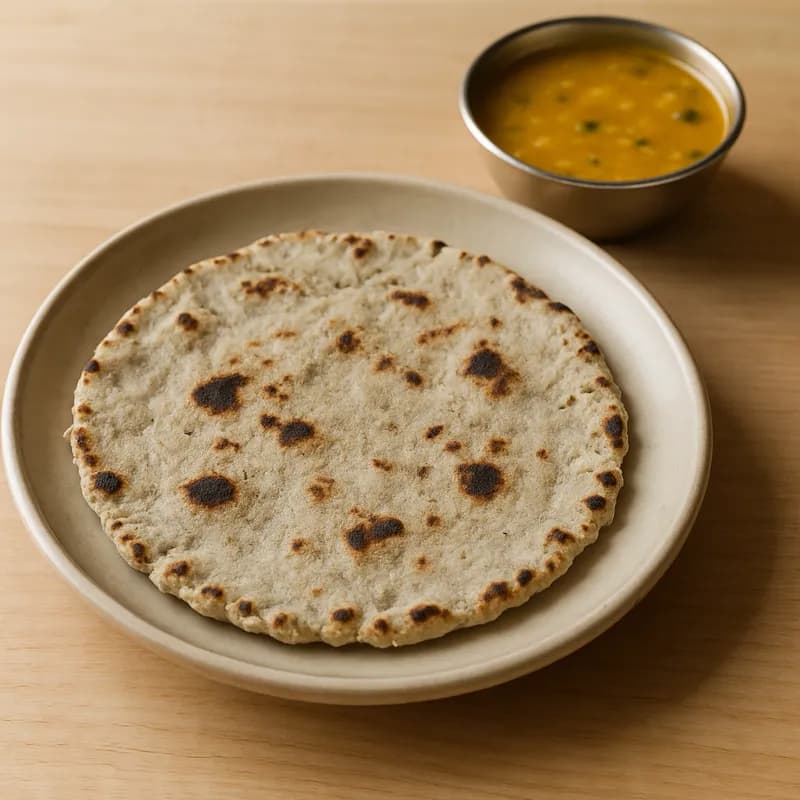
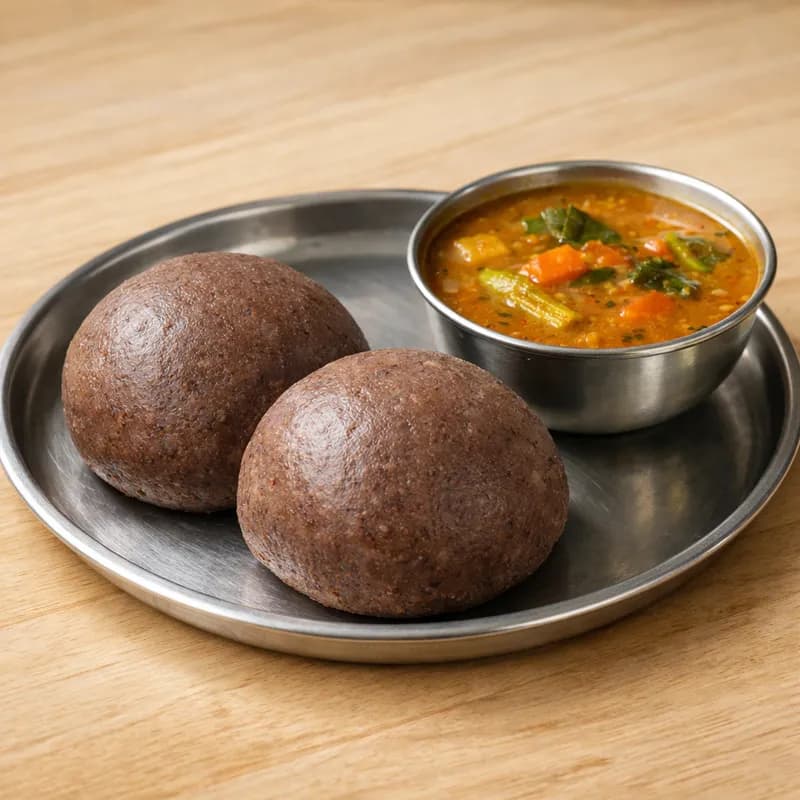
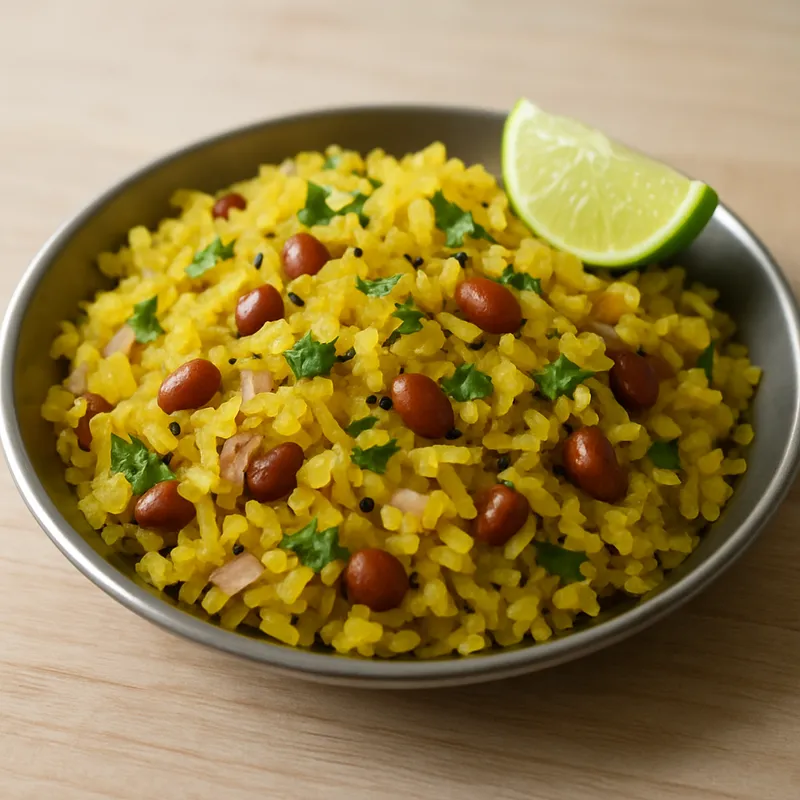
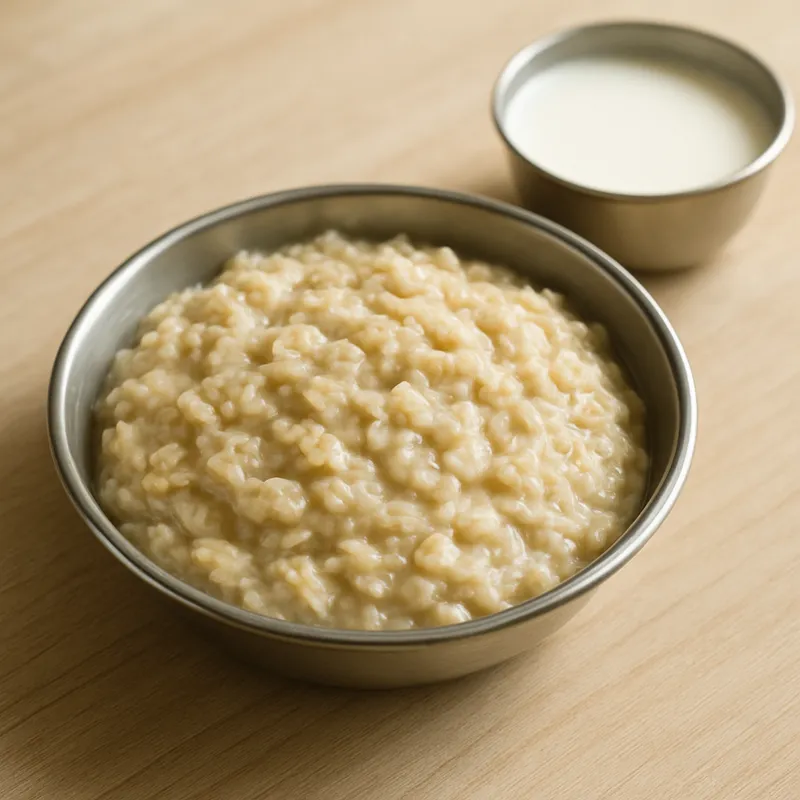
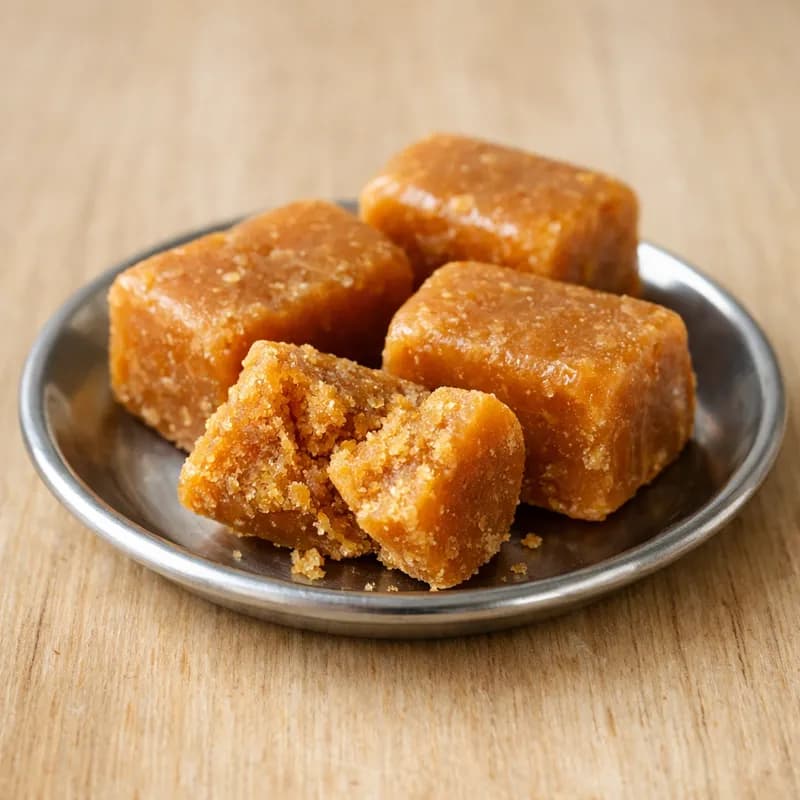
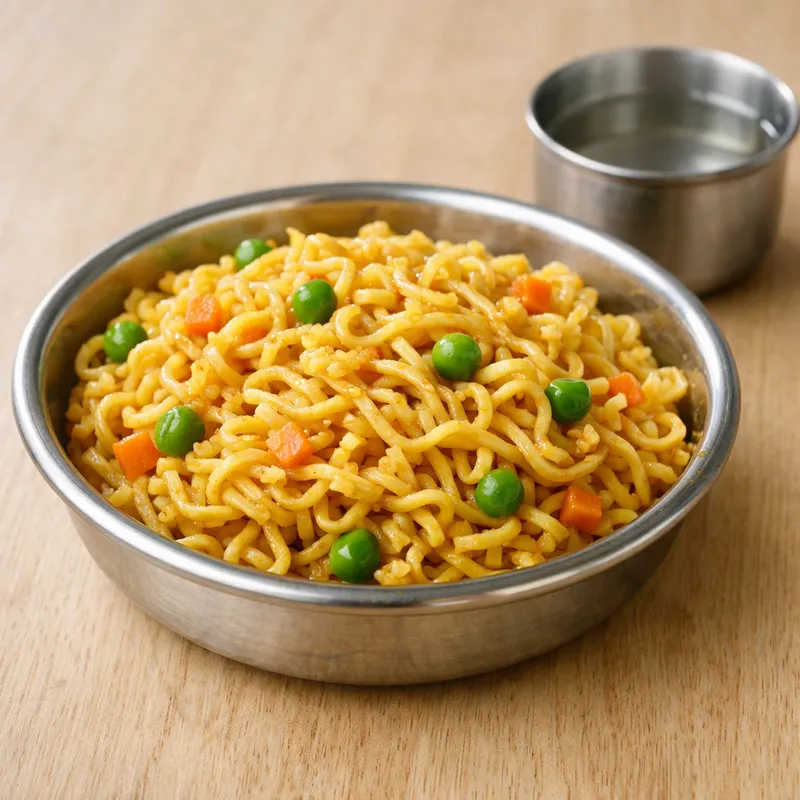
Food from your region
Common questions about GI and blood sugar
What is the glycemic index (GI) of Indian foods?
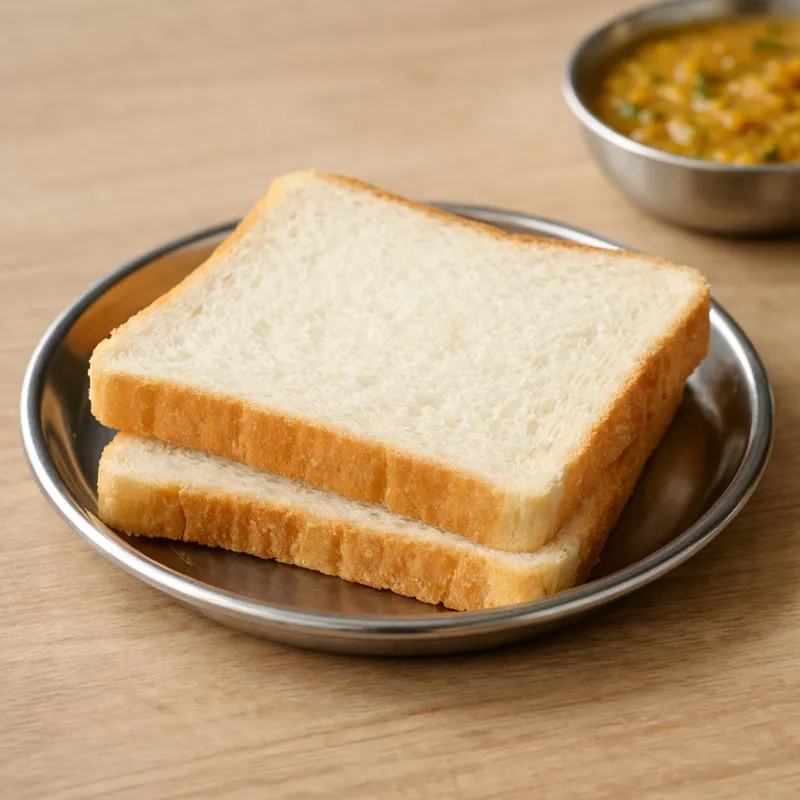
The glycemic index ranks how quickly a food raises blood sugar on a 0–100 scale. Indian foods vary widely: most dals, vegetables and whole grains are low GI (55 or below), while white rice, refined-flour breads and many sweets are high GI (70 or above). GlycemicIndia lists GI and glycemic load values for over 300 Indian foods.
Which Indian foods are best for diabetics?
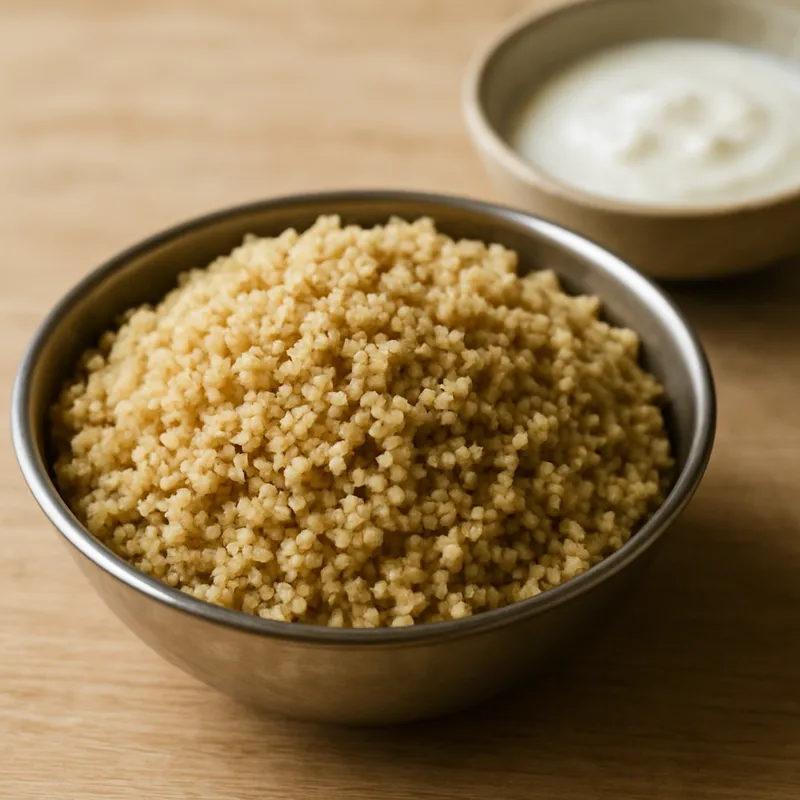
Low-GI Indian foods such as dals and legumes, most non-starchy vegetables, millets (ragi, jowar, bajra), whole-wheat rotis, paneer, curd and most fruits like guava, jamun and apple are good choices for people with diabetes when eaten in sensible portions.
Which foods control blood sugar for sugar patients?
Foods that raise blood sugar slowly help sugar patients most: dals and legumes, leafy and non-starchy vegetables, millets, whole-wheat or multigrain rotis, curd and paneer, and low-GI fruits like guava, jamun and pear. Pairing carbohydrates with protein and fiber, and keeping portions modest, keeps blood sugar steadier.
What is the difference between glycemic index and glycemic load?
Glycemic index measures how fast a carbohydrate raises blood sugar, while glycemic load also accounts for how much carbohydrate is in a typical serving. Glycemic load is often a more practical guide because a high-GI food eaten in a small portion can still have a low glycemic load.
Is rice bad for diabetics?
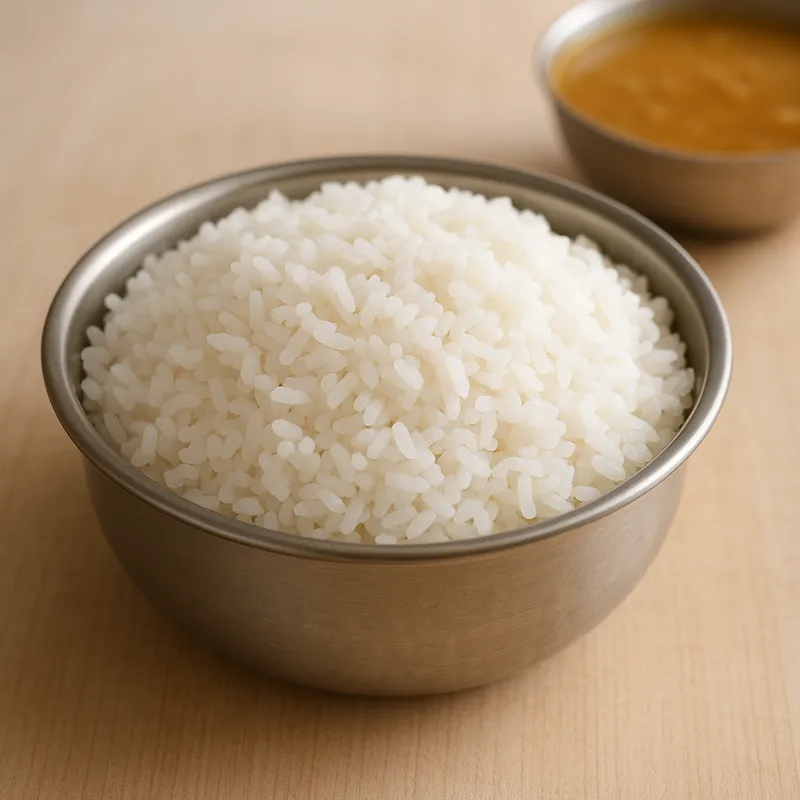
Polished white rice has a high GI, but the impact depends on portion size and what you eat with it. Choosing brown, red or hand-pounded rice, keeping portions modest, and pairing rice with dal, vegetables and protein lowers the overall glycemic load of the meal.