Best Millets for Diabetes
Millets are an ancient, fiber-rich answer to high-GI white rice and refined wheat. They release glucose slowly and are naturally high in fiber and minerals, making them one of the best grain swaps for diabetics. These millets and millet dishes are ranked from lowest glycemic index upward.
Updated · ranked by glycemic index, lowest first · How we source our data
Replace white rice or maida rotis with millets a few times a week to start. Soaking and cooling cooked millets raises their resistant starch and lowers the effective GI further.
At a glance: GI, GL and nutrition compared
| Food | GI | GL | Serving | Calories | Protein | Fiber |
|---|---|---|---|---|---|---|
| Foxtail Millet | 44 | 12 | 1 medium bowl (cooked) | 160 kcal | 6g | 6.7g |
| Ragi Roti | 50 | 10 | 1 medium ragi roti | 145 kcal | 4.5g | 5g |
| Ragi Dosa | 50 | 11 | 1 large ragi dosa | 145 kcal | 4.5g | 4g |
| Kodo Millet (Kodo / Arikelu, Cooked) | 50 | 20 | 1 medium bowl (cooked) | 175 kcal | 4.5g | 5g |
| Barnyard Millet (Sanwa / Samvat / Udalu, Cooked) | 50 | 19 | 1 medium bowl (cooked) | 165 kcal | 4g | 6g |
| Jowar Roti (Sorghum Bhakri) | 50 | 13 | 1 medium roti | 120 kcal | 3.5g | 3g |
| Bajra Roti | 52 | 11 | 1 medium bajra roti | 160 kcal | 5g | 4.5g |
| Little Millet (Samai / Kutki, Cooked) | 52 | 21 | 1 medium bowl (cooked) | 180 kcal | 4g | 4g |
| Ragi (Finger Millet) | 54 | 14 | 1 medium bowl (cooked) | 155 kcal | 5g | 5.5g |
| Bajra (Pearl Millet) | 55 | 15 | 1 medium bowl (cooked) | 170 kcal | 6g | 5g |
| Ragi Mudde (Ragi Sangati) | 58 | 21 | 1 ball | 170 kcal | 3.6g | 5.5g |
| Jowar (Sorghum) | 62 | 17 | 1 medium bowl (cooked) | 163 kcal | 5.5g | 4.8g |
| Ragi Malt (Ragi Java) | 72 | 16 | 1 glass (unsweetened) | 140 kcal | 5g | 2.5g |
GL and nutrition are per serving. How these values are sourced
Looking for every option? See the complete list of low-GI Indian foods.
Explore each food
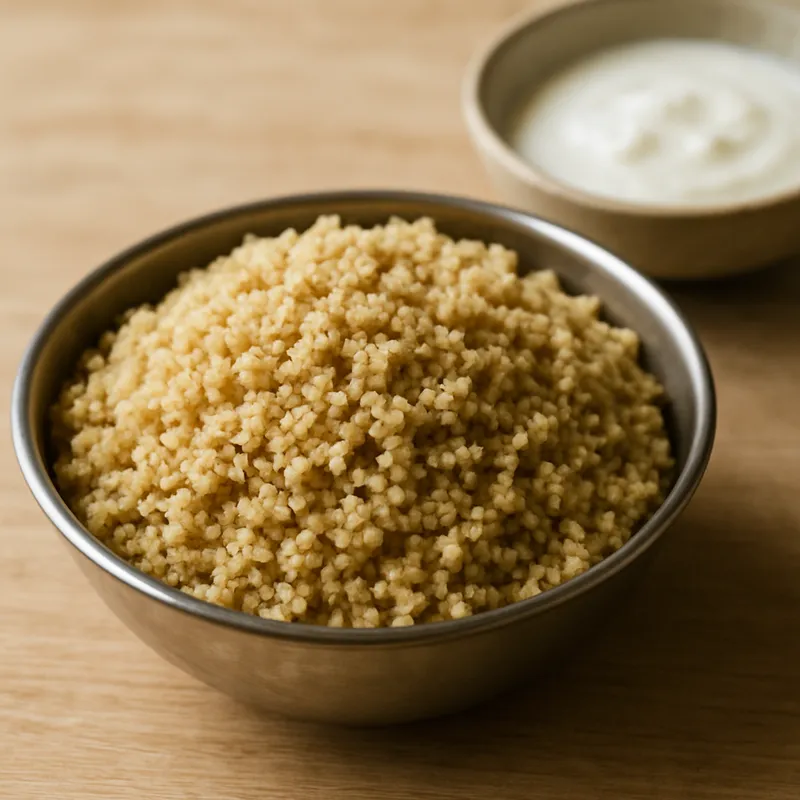 GI 44· Low
Foxtail Millet
कांगनी · కొర్రలు
A traditional Indian millet making a comeback. Excellent low-GI alternative to rice with higher protein and mineral content.
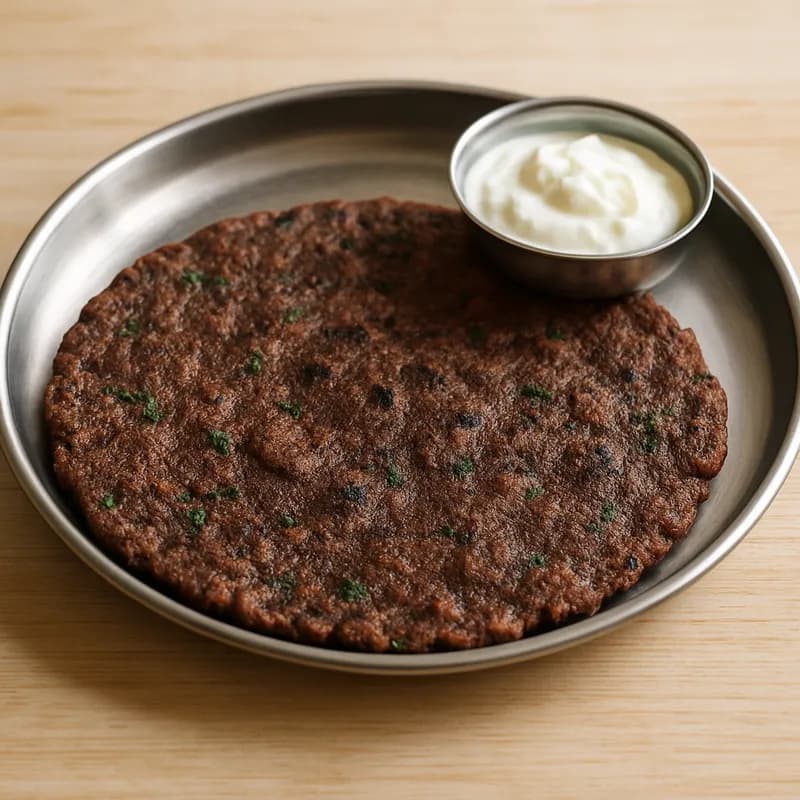 GI 50· Low
Ragi Roti
रागी रोटी · రాగి రొట్టె
Finger millet flatbread, popular in Karnataka and Andhra Pradesh. High in calcium and iron, excellent for diabetics.
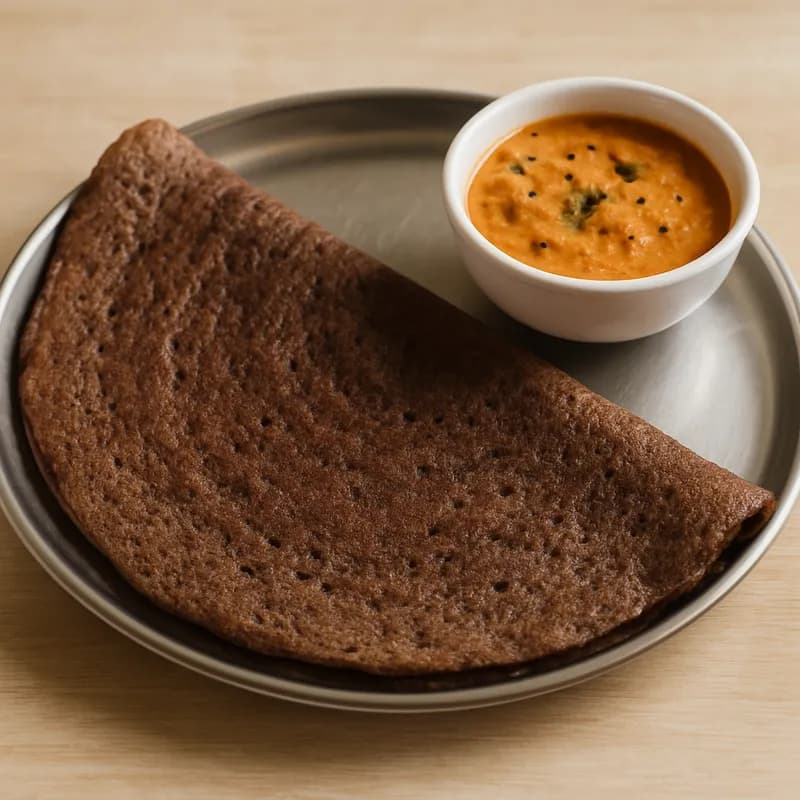 GI 50· Low
Ragi Dosa
रागी दोसा · రాగి దోస
Dosa made with ragi (finger millet) flour instead of rice. Significantly lower GI than regular dosa with added calcium and iron benefits.
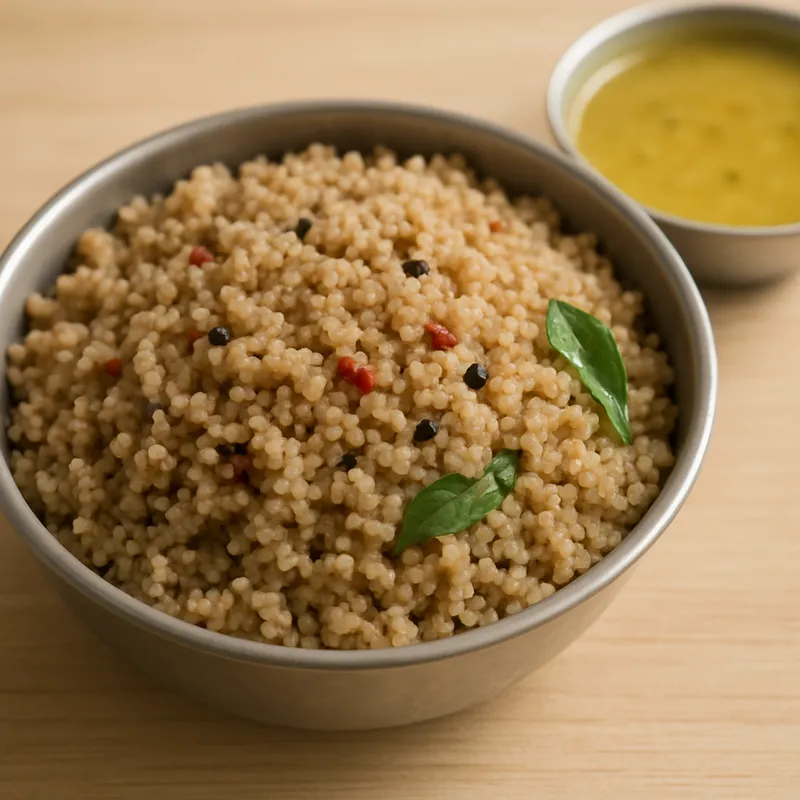 GI 50· Low
Kodo Millet (Kodo / Arikelu, Cooked)
कोदो · అరికెలు
An ancient, easily digestible millet high in fiber and antioxidants, used in place of rice in pulao, upma and khichdi. Low GI makes it diabetic-friendly.
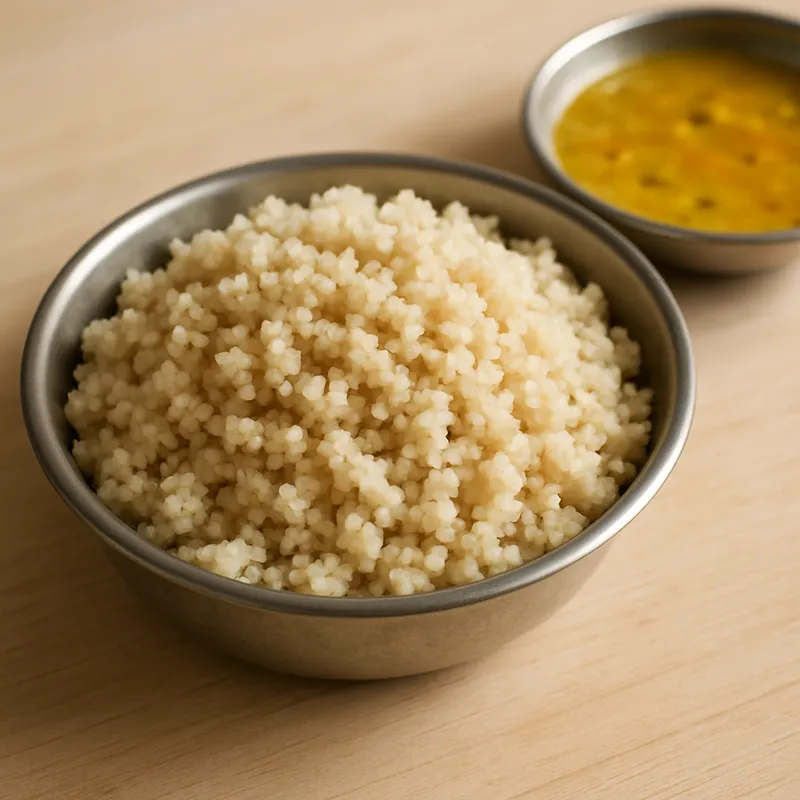 GI 50· Low
Barnyard Millet (Sanwa / Samvat / Udalu, Cooked)
सांवा · ఊదలు
A fast-cooking millet often eaten during fasting as a rice replacement. Among the lowest-GI millets, it is high in fiber and low in calories.
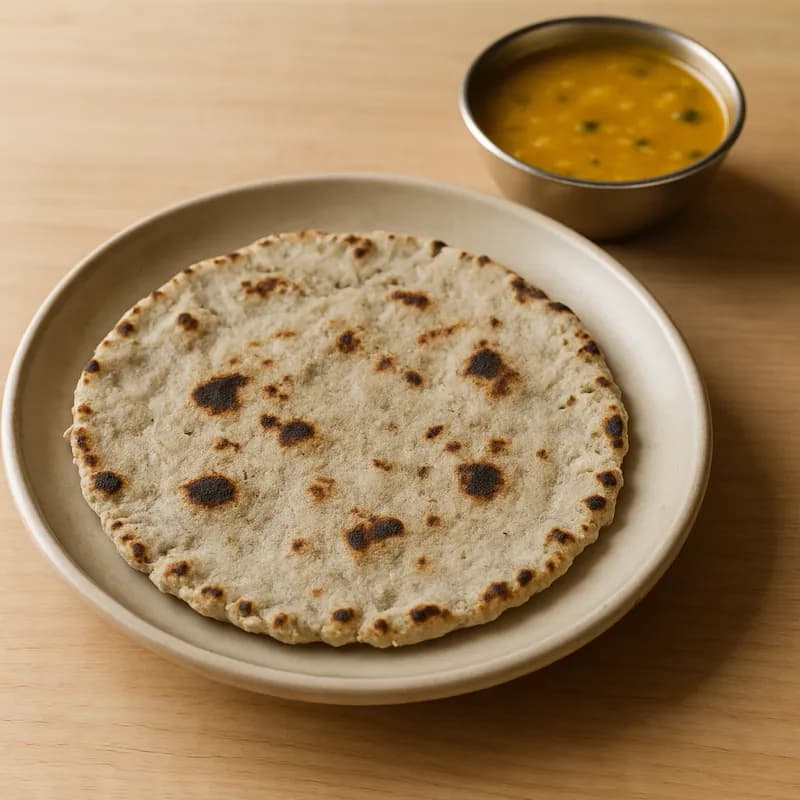 GI 50· Low
Jowar Roti (Sorghum Bhakri)
ज्वार की रोटी · జొన్న రొట్టె
A gluten-free flatbread made from sorghum flour, a staple in Maharashtra and Karnataka. High in fiber and minerals with a low GI that suits diabetics.
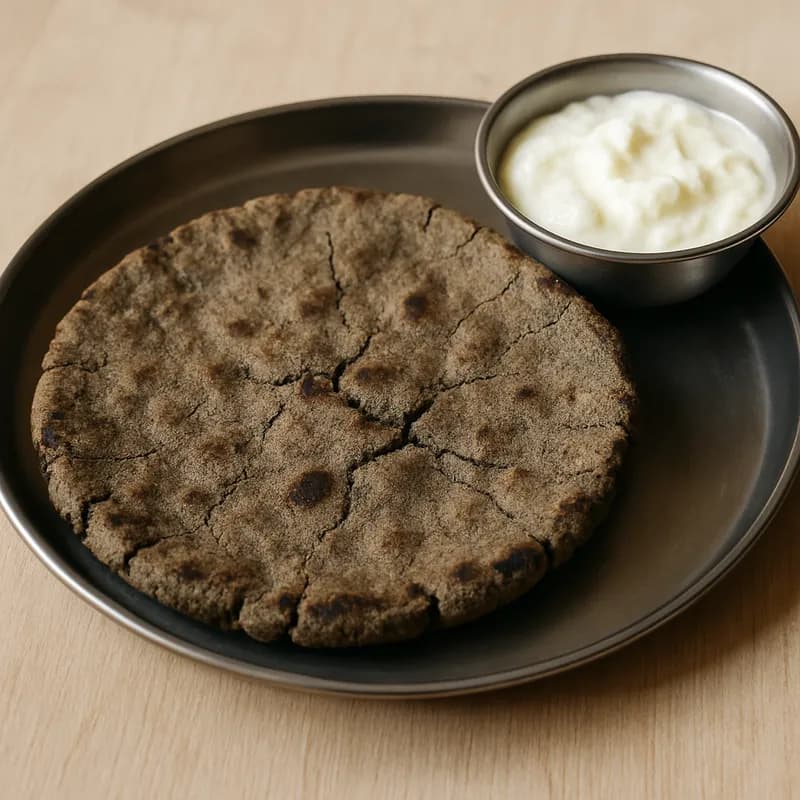 GI 52· Low
Bajra Roti
बाजरे की रोटी · సజ్జ రొట్టె
Pearl millet flatbread, staple of Rajasthan and Gujarat. Gluten-free with higher mineral content than wheat roti.
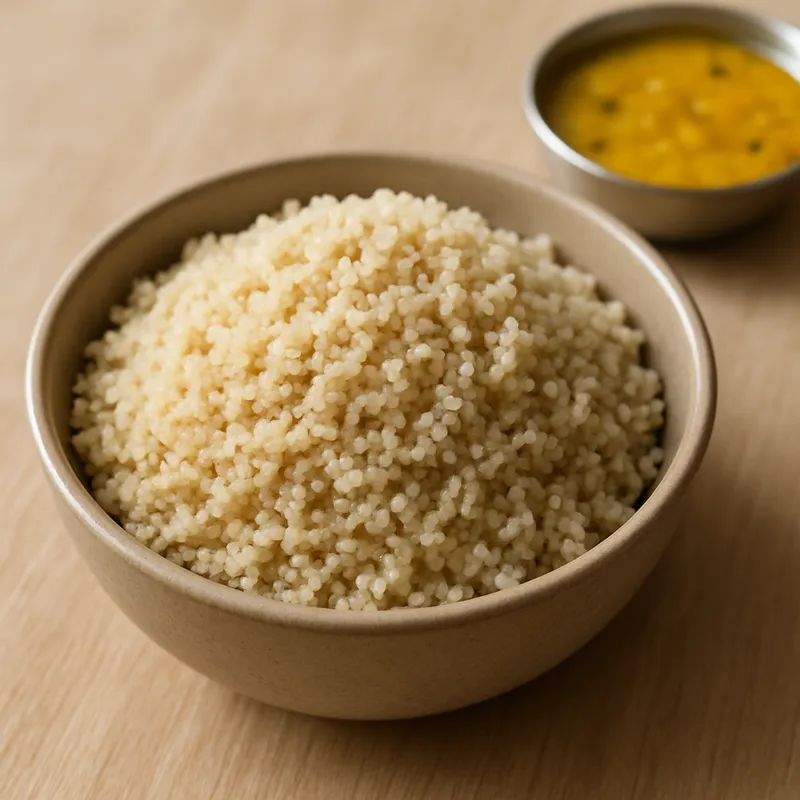 GI 52· Low
Little Millet (Samai / Kutki, Cooked)
कुटकी · సామలు
A small-grained drought-resistant millet used as a rice substitute in South Indian meals. Rich in fiber and iron with a low to medium GI.
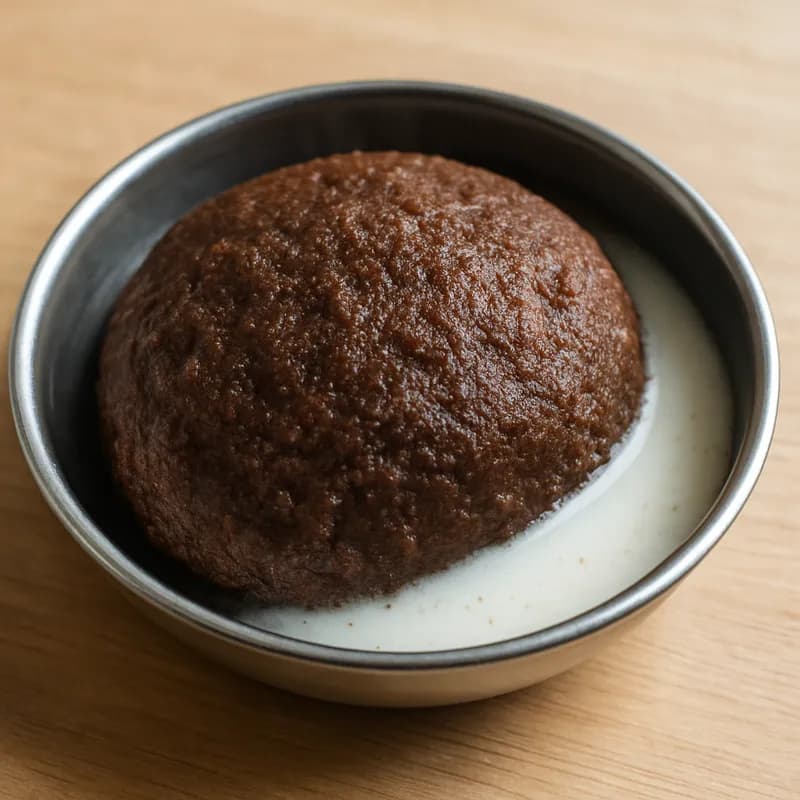 GI 54· Low
Ragi (Finger Millet)
रागी · రాగులు
Nutrient-dense millet rich in calcium and iron. Popular in South India as ragi mudde, dosa, and porridge. Excellent for diabetics.
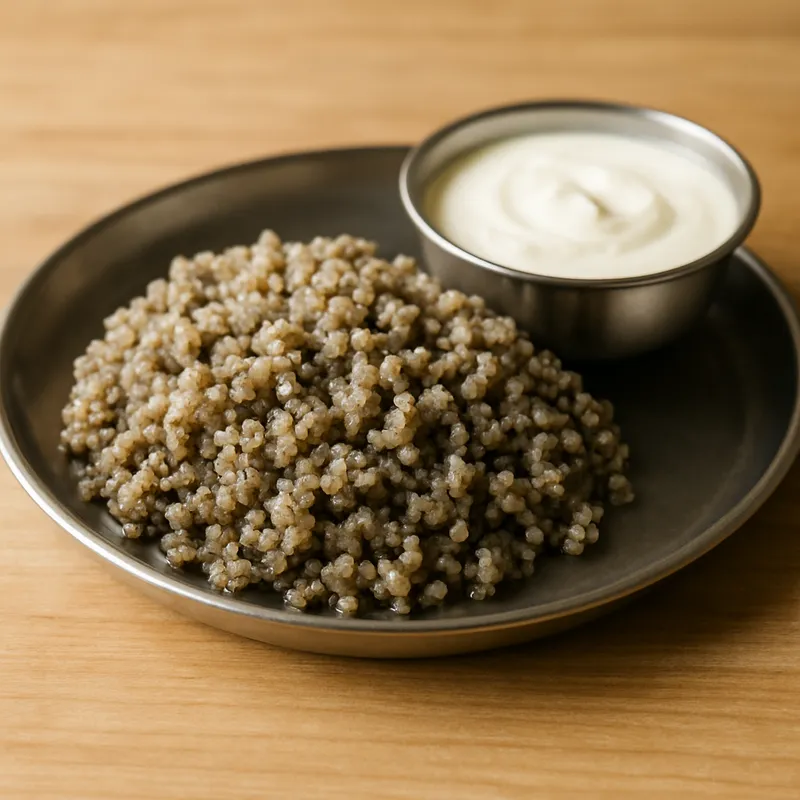 GI 55· Low
Bajra (Pearl Millet)
बाजरा · సజ్జలు
Staple grain of Rajasthan and Gujarat. High in iron and zinc. Used for rotis and khichdi.
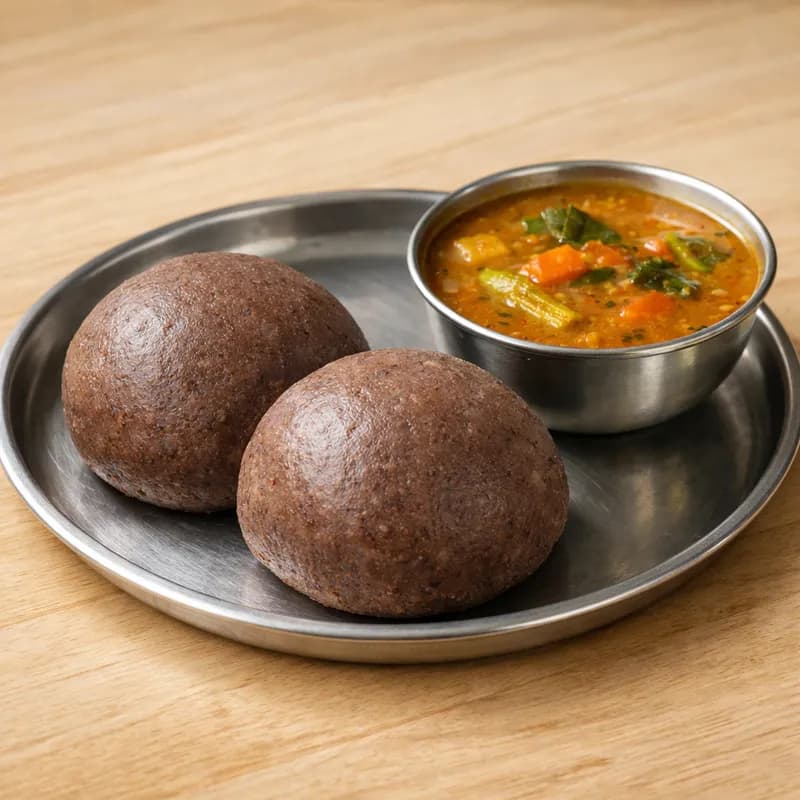 GI 58· Medium
Ragi Mudde (Ragi Sangati)
रागी मुद्दे · రాగి ముద్ద
Karnataka and Rayalaseema staple of ragi flour stirred into boiling water and shaped into soft balls, eaten with sambar, saaru or soppu curry. Whole finger millet gives fiber and calcium, but the very soft, cooked-through texture digests faster than a ragi roti.
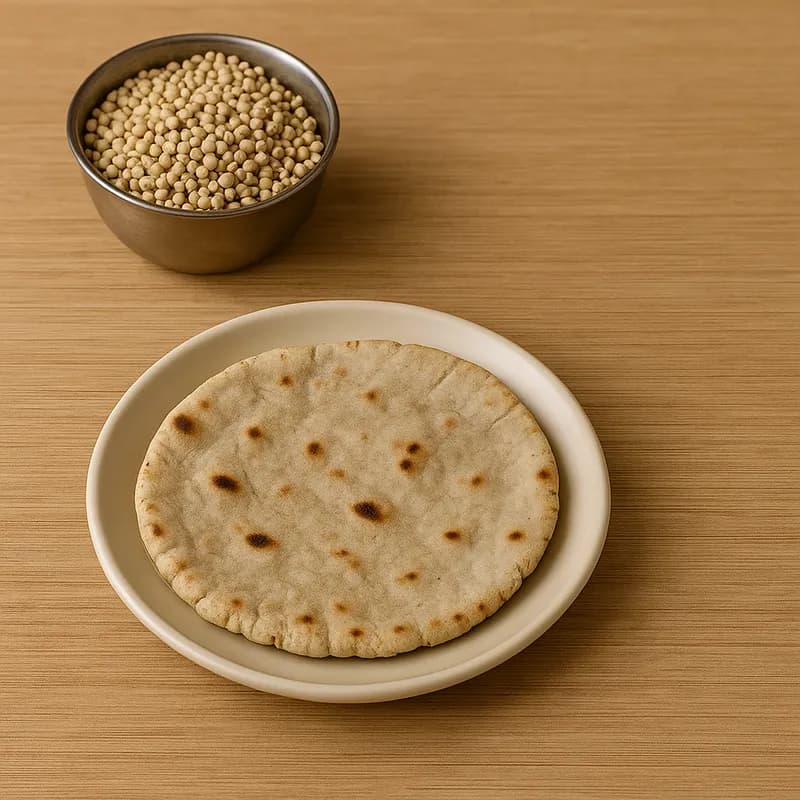 GI 62· Medium
Jowar (Sorghum)
ज्वार · జొన్నలు
Gluten-free millet widely consumed in Maharashtra and Karnataka. Used for rotis, bhakri, and porridge.
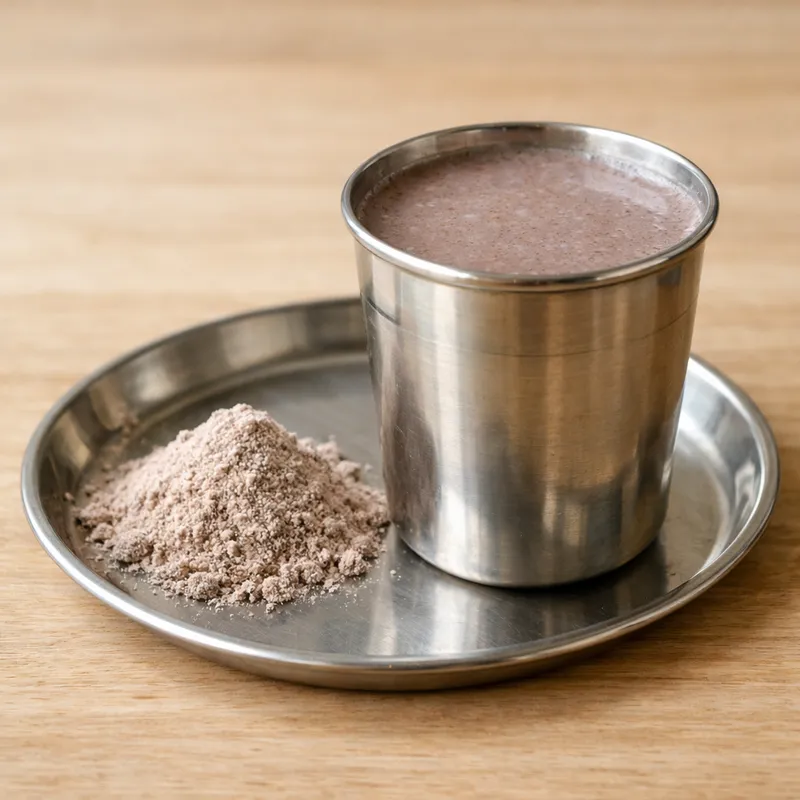 GI 72· High
Ragi Malt (Ragi Java)
रागी माल्ट · రాగి జావ
Thin porridge drink of finger millet (ragi) flour cooked in water, then mixed with milk and jaggery or with salted buttermilk. Ragi is nutritious, but cooked into a smooth, thin drink it raises blood sugar quickly.
Which is better? Side-by-side comparisons
Browse by food group
Common questions
Which millet is best for diabetes?
Foxtail, kodo, little and barnyard millets are among the lowest-GI grains and excellent for diabetes. Ragi (finger millet), jowar (sorghum) and bajra (pearl millet) are also great low-GI choices that keep blood sugar steady.
Are millets better than rice for diabetics?
Yes — most millets have a lower glycemic index and far more fiber than polished white rice, so they raise blood sugar more slowly. Portion size still matters, but swapping rice for millets is a strong move for blood-sugar control.
How often can a diabetic eat millets?
Millets can be eaten daily as part of a balanced low-GI diet, rotated with other whole grains. Variety (alternating foxtail, ragi, jowar and bajra) gives a broader nutrient profile while keeping the glycemic load low.
Sources
- Atkinson FS, Brand-Miller JC, Foster-Powell K, Buyken AE, Goletzke J. International tables of glycemic index and glycemic load values 2021: a systematic review. American Journal of Clinical Nutrition, 2021; 114(5): 1625–1632.
- University of Sydney, Glycemic Index Research Service — GI Database (glycemicindex.com).
- Longvah T, Ananthan R, Bhaskarachary K, Venkaiah K. Indian Food Composition Tables 2017. National Institute of Nutrition (ICMR), Hyderabad.
- ICMR–National Institute of Nutrition. Dietary Guidelines for Indians, 2024.
- ISO 26642:2010. Food products — Determination of the glycaemic index (GI) and recommendation for food classification.
Many Indian dishes have never been clinically tested, so some values are estimates — each food page shows whether its GI was measured or estimated. See our methodology.
This guide is for general educational purposes only and is not medical advice. Glycemic index values are approximate and individual blood sugar responses vary. Please consult your doctor or a registered dietitian before making changes to your diet — see our full disclaimer.