Which Fruits Are Safe for Blood Sugar?
You can absolutely enjoy fruit while watching your blood sugar — the key is picking fruits that raise it slowly and keeping an eye on the portion. Here, every common Indian fruit is ranked by glycemic index, lowest first, so you can see at a glance which are safe everyday choices and which to keep small.
Updated · ranked by glycemic index, lowest first · How we source our data
Eat whole fruit instead of juice, stick to one portion at a time, and pair sweeter fruits (mango, banana, chikoo) with a few nuts to slow the sugar rise.
At a glance: GI, GL and nutrition compared
| Food | GI | GL | Serving | Calories | Protein | Fiber |
|---|---|---|---|---|---|---|
| Coconut (Fresh) | 10 | 1 | 1 small piece of fresh coconut | 175 kcal | 1.7g | 4.5g |
| Guava (Amrood) | 12 | 2 | 1 medium guava | 68 kcal | 2.5g | 5g |
| Amla (Indian Gooseberry) | 15 | 2 | 2 medium fruits | 44 kcal | 0.9g | 4.3g |
| Jamun (Java Plum) | 25 | 3 | 10-12 jamuns | 60 kcal | 0.7g | 1g |
| Pear (Nashpati) | 33 | 4 | 1 medium pear | 85 kcal | 0.5g | 5g |
| Apple | 36 | 5 | 1 medium apple | 78 kcal | 0.4g | 3.6g |
| Orange (Santra) | 40 | 4 | 1 medium orange | 70 kcal | 1.3g | 3.5g |
| Strawberry | 41 | 3 | about 7 medium berries | 33 kcal | 0.7g | 2g |
| Mosambi (Sweet Lime) | 43 | 5 | 1 medium mosambi | 65 kcal | 1g | 2.5g |
| Kiwi | 50 | 7 | 1 large or 2 small fruits | 61 kcal | 1.1g | 3g |
| Fig (Anjeer, fresh) | 51 | 10 | 2 medium figs | 74 kcal | 0.8g | 2.9g |
| Pomegranate (Anar) | 53 | 8 | 1 medium bowl of arils | 120 kcal | 2.5g | 5.5g |
| Grapes (Angoor) | 53 | 9 | 1 small bowl (~20 grapes) | 82 kcal | 0.8g | 1g |
| Sitaphal (Custard Apple) | 54 | 11 | 1 small custard apple (flesh only) | 100 kcal | 1.7g | 4g |
| Chikoo (Sapota) | 55 | 12 | 1 medium chikoo | 100 kcal | 0.6g | 5g |
| Mango (Aam) | 56 | 9 | 1 medium slice / half mango | 80 kcal | 0.8g | 1.8g |
| Pineapple (Ananas) | 59 | 7 | 1 medium bowl (cubed) | 60 kcal | 0.6g | 1.5g |
| Papaya | 60 | 7 | 1 medium bowl (cubed) | 60 kcal | 0.7g | 2.5g |
| Jackfruit (Kathal, ripe) | 60 | 14 | 3-4 ripe bulbs | 95 kcal | 1.5g | 2g |
| Banana | 62 | 14 | 1 medium banana | 105 kcal | 1.3g | 3g |
| Raisins (Kishmish, dried) | 64 | 19 | 1 small handful (2 tbsp) | 120 kcal | 1.2g | 1.5g |
| Muskmelon (Kharbooja / Cantaloupe) | 65 | 4 | 1 cup diced | 34 kcal | 0.8g | 1g |
| Watermelon | 76 | 4 | 1 medium slice | 46 kcal | 0.9g | 0.6g |
| Lychee | 79 | 11 | 8-10 lychees | 66 kcal | 0.8g | 1.3g |
GL and nutrition are per serving. How these values are sourced
Looking for every option? See the complete list of low-GI Indian foods.
Explore each food
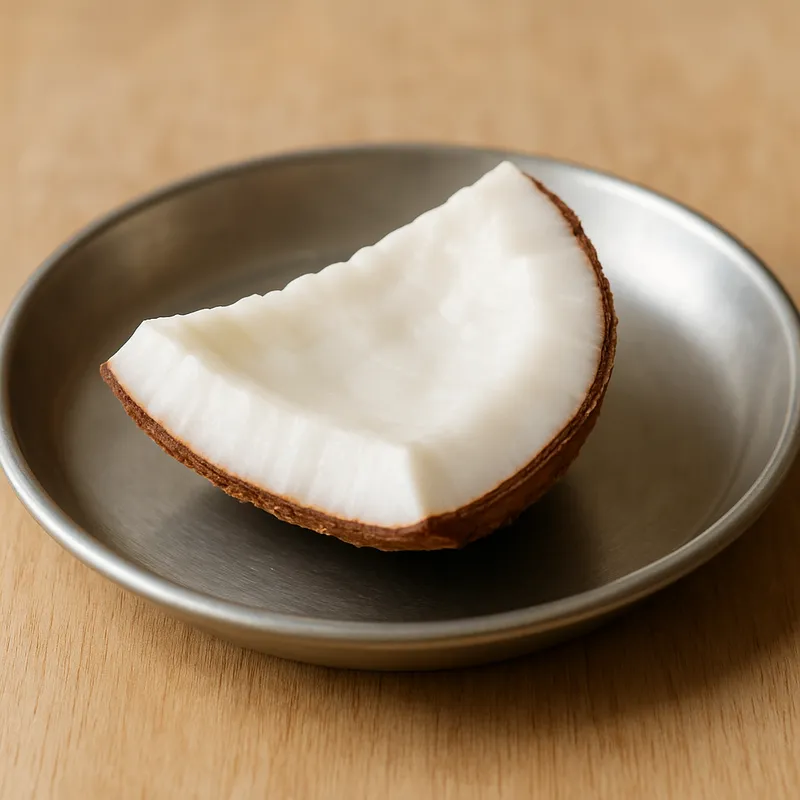 GI 10· Low
Coconut (Fresh)
नारियल · కొబ్బరి
Fresh coconut meat (malai). Very low GI due to high fat and fiber content with minimal carbohydrates.
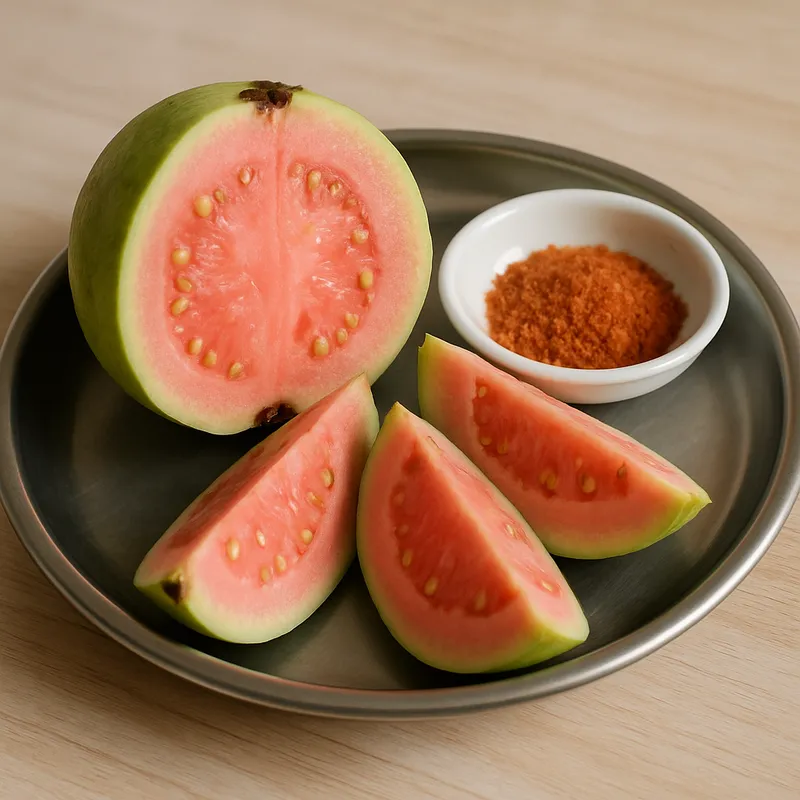 GI 12· Low
Guava (Amrood)
अमरूद · జామ పండు
One of the best fruits for diabetics in India. Very low GI, extremely high in vitamin C, and good fiber content.
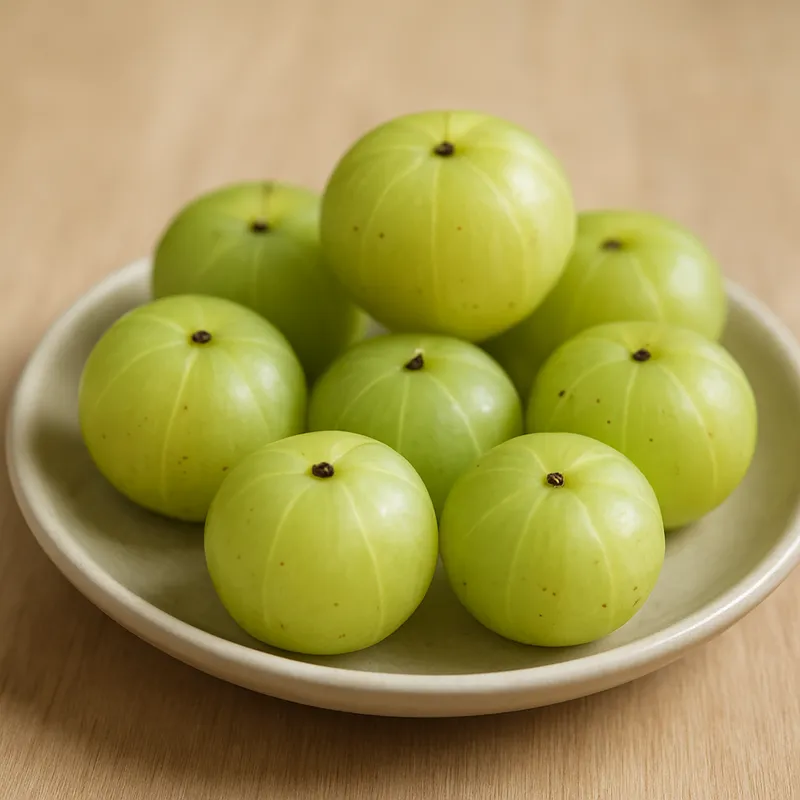 GI 15· Low
Amla (Indian Gooseberry)
आंवला · ఉసిరికాయ
A sour, vitamin C-rich superfruit with a very low GI. Excellent for diabetics and rich in antioxidants.
 GI 25· Low
Jamun (Java Plum)
जामुन · నేరేడు పండు
Purple fruit traditionally used in Ayurveda for diabetes management. Very low GI and believed to help regulate blood sugar.
 GI 33· Low
Pear (Nashpati)
नाशपाती · బేరి పండు
Low GI fruit with excellent fiber content, especially when eaten with skin. A safe and filling snack for diabetics.
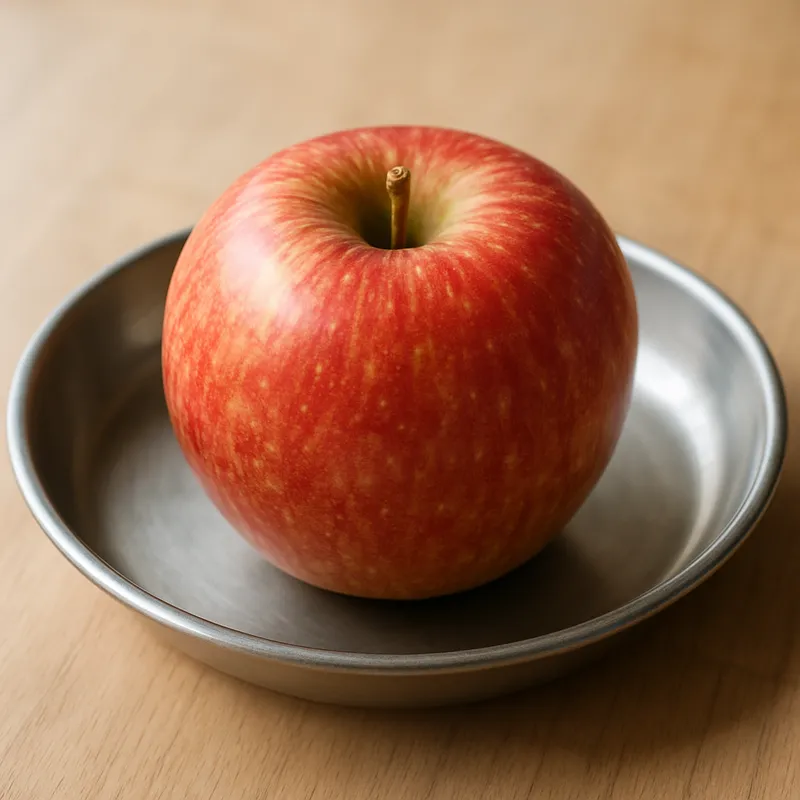 GI 36· Low
Apple
सेब · ఆపిల్
Widely available across India. Low GI due to fructose and pectin fiber content. A safe fruit for diabetics.
 GI 40· Low
Orange (Santra)
संतरा · నారింజ
Citrus fruit rich in vitamin C. Low GI due to its fiber and acid content which slow glucose absorption.
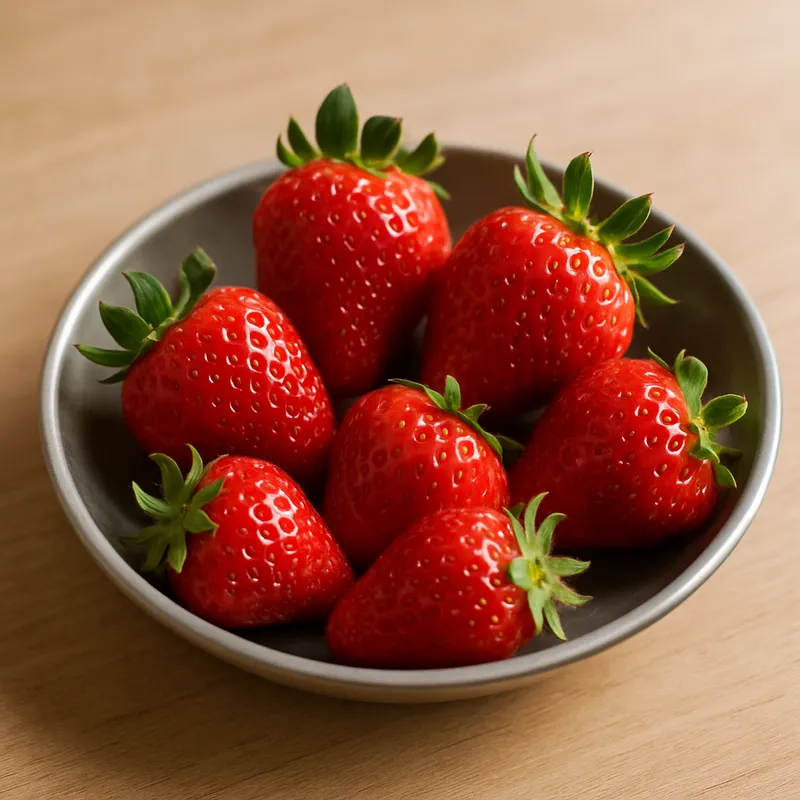 GI 41· Low
Strawberry
स्ट्रॉबेरी · స్ట్రాబెర్రీ
A low-calorie winter berry with a very low GI and high vitamin C. One of the safest fruits for diabetics.
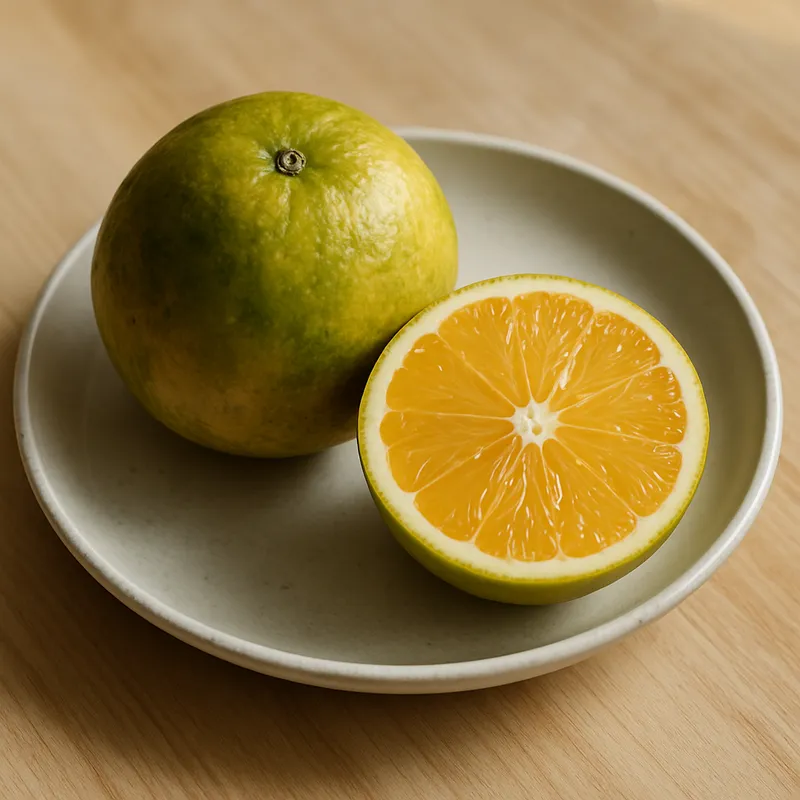 GI 43· Low
Mosambi (Sweet Lime)
मौसंबी · బత్తాయి
Popular citrus fruit in India, often juiced. Lower acidity than orange but similar GI profile. Best eaten whole for fiber benefits.
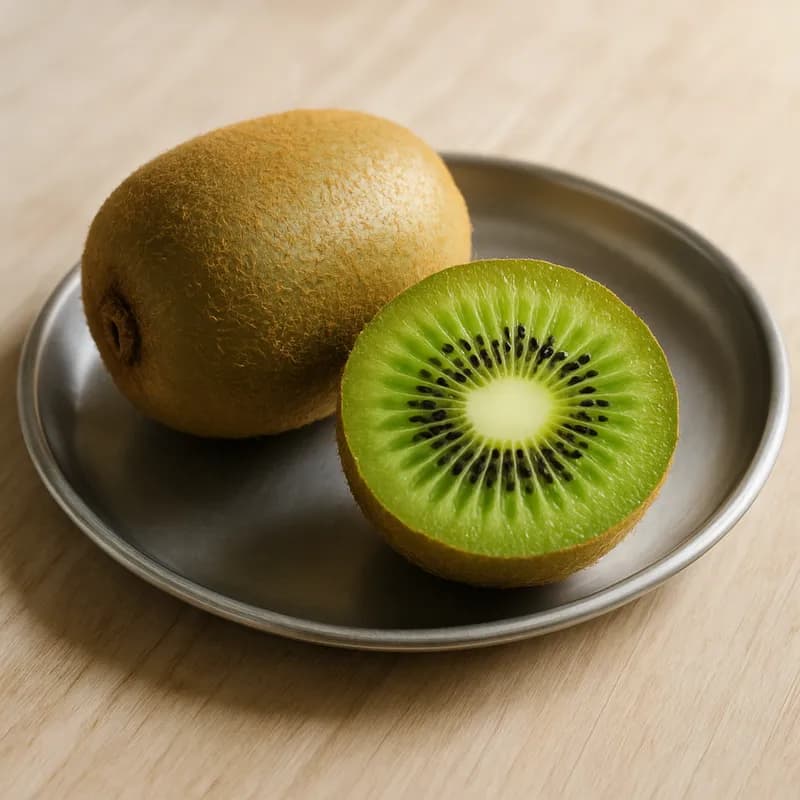 GI 50· Low
Kiwi
कीवी · కివీ
A tangy green fruit packed with vitamin C and fiber. Low GI and a great choice for managing blood sugar.
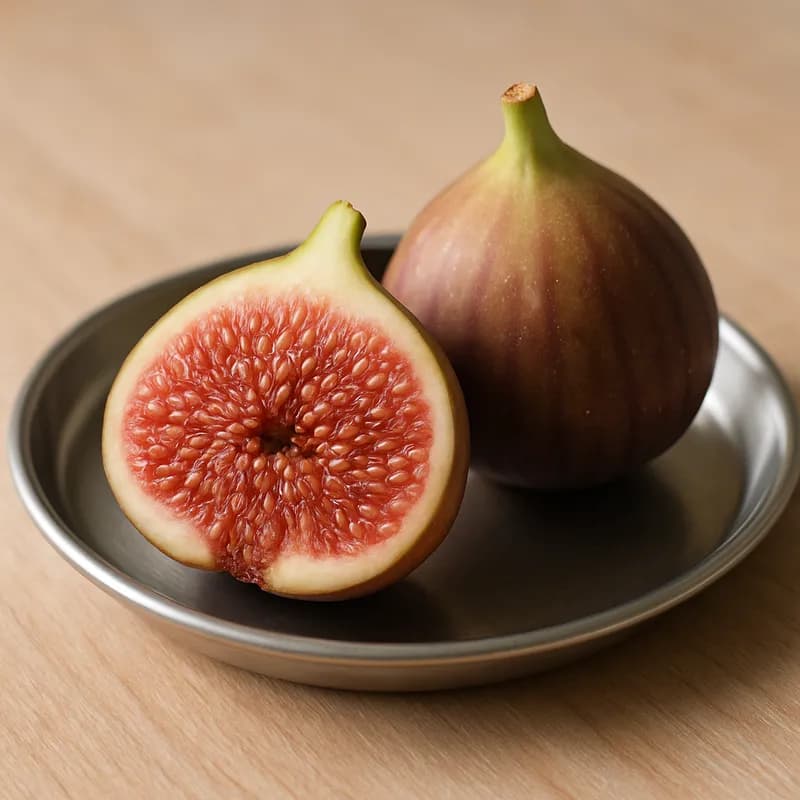 GI 51· Low
Fig (Anjeer, fresh)
अंजीर · అత్తి పండు
A soft, sweet fruit with edible seeds and good fiber. Fresh figs have a moderate GI, much lower than dried ones.
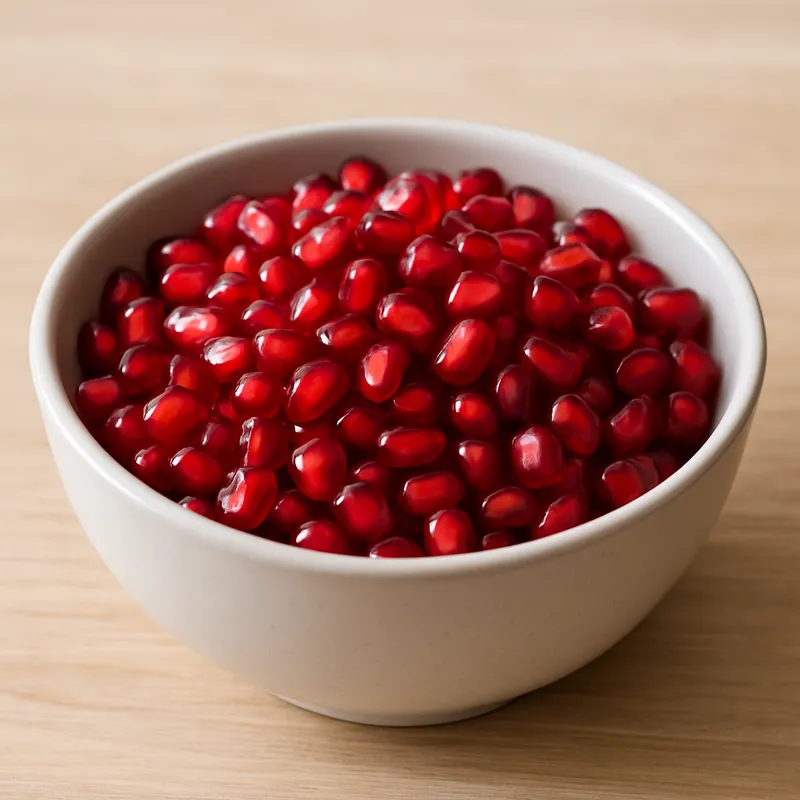 GI 53· Low
Pomegranate (Anar)
अनार · దానిమ్మ
Antioxidant-rich fruit with moderate GI. Rich in polyphenols that may have anti-diabetic properties.
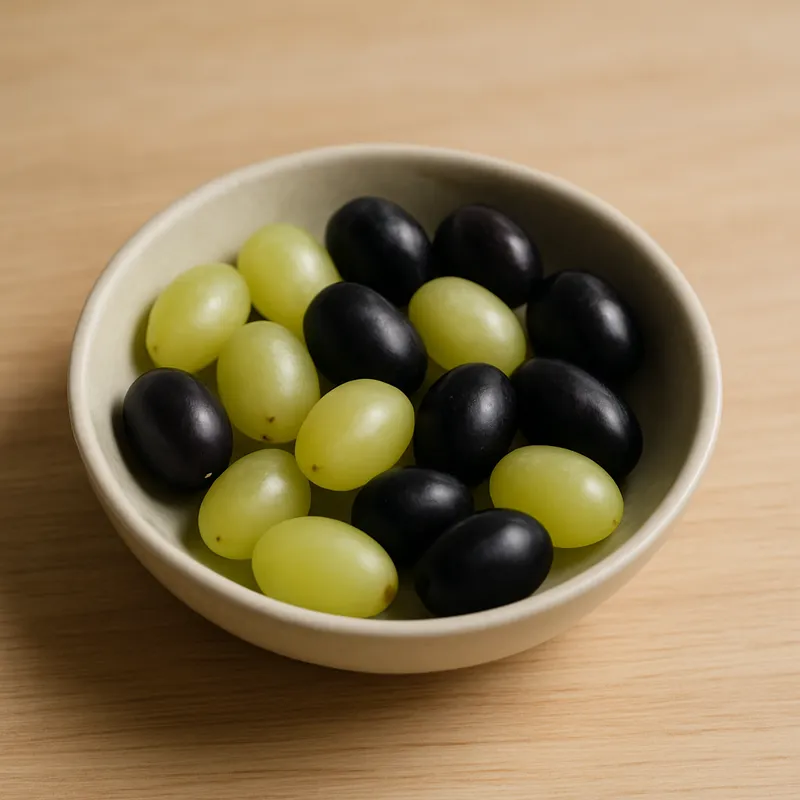 GI 53· Low
Grapes (Angoor)
अंगूर · ద్రాక్ష
Small, sweet fruit available in green and black varieties. Medium GI — portion control is important as they are easy to overeat.
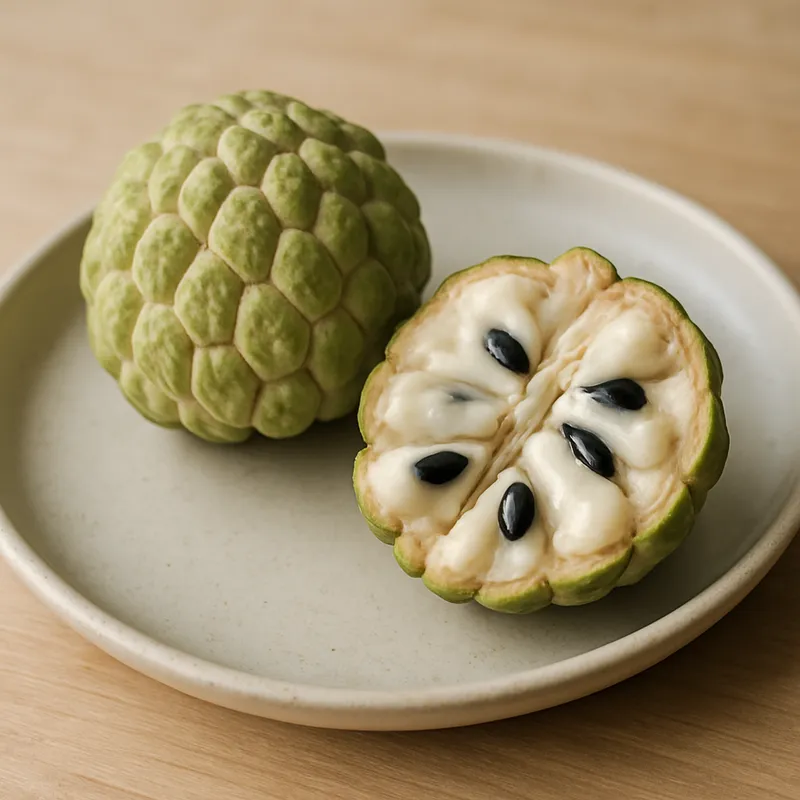 GI 54· Low
Sitaphal (Custard Apple)
सीताफल · సీతాఫలం
Creamy, sweet seasonal fruit. High natural sugar content gives it a higher GI. Rich in B vitamins and potassium.
 GI 55· Low
Chikoo (Sapota)
चीकू · సపోటా
Very sweet tropical fruit popular in Western India. High in natural sugars, making it one of the higher GI fruits to watch.
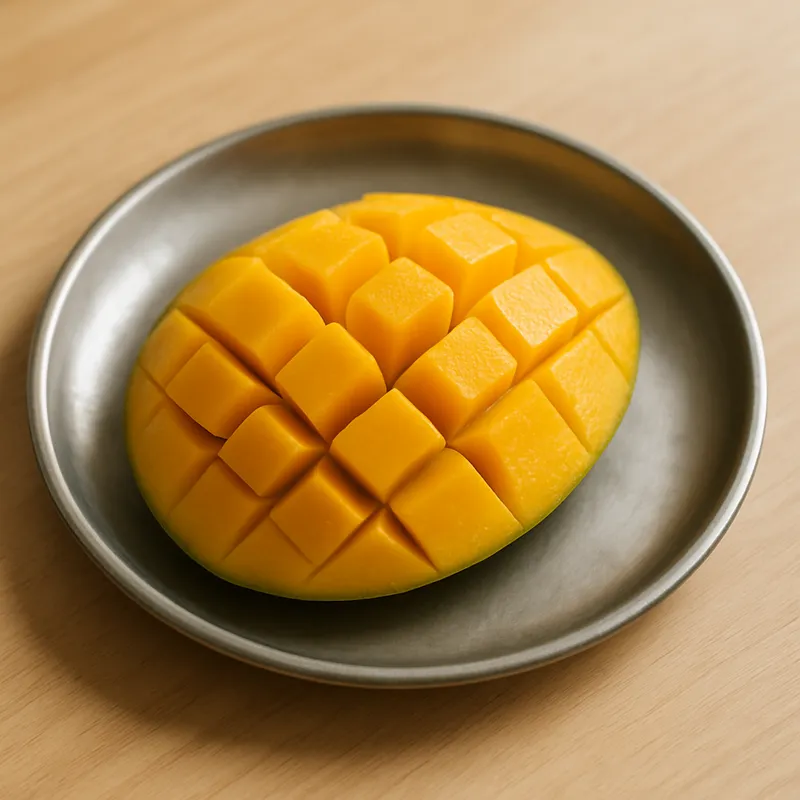 GI 56· Medium
Mango (Aam)
आम · మామిడి పండు
King of fruits in India. Despite being sweet, ripe mango has a medium GI. However, portion control is key due to high natural sugar.
 GI 59· Medium
Pineapple (Ananas)
अनानास · అనాసపండు
Tropical fruit rich in bromelain enzyme and vitamin C. Medium GI — the acidity provides some buffering effect on glucose response.
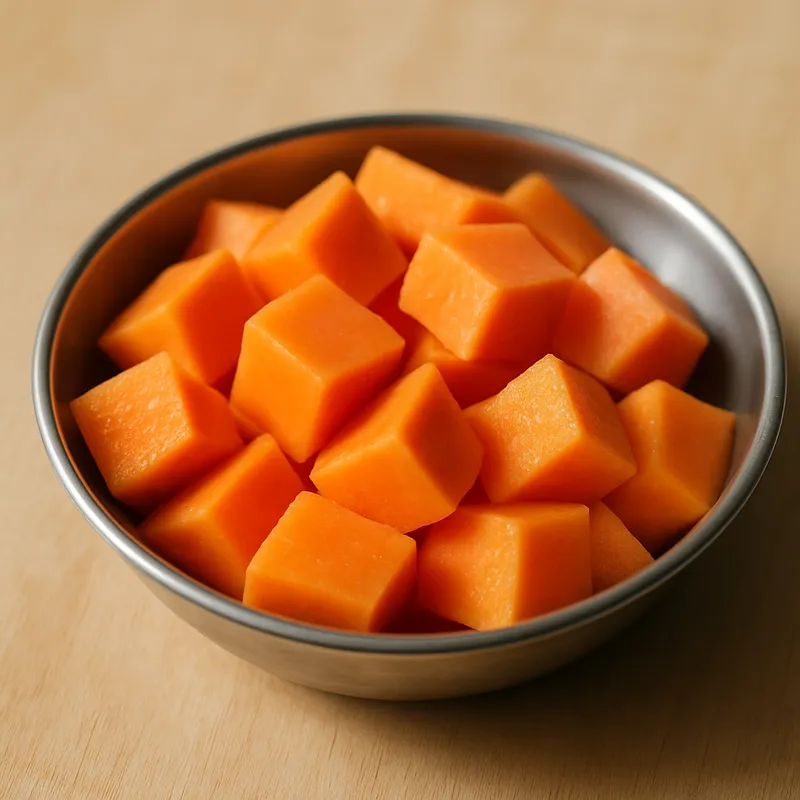 GI 60· Medium
Papaya
पपीता · బొప్పాయి
Tropical fruit rich in vitamin A and digestive enzymes. Medium GI but moderate glycemic load per serving.
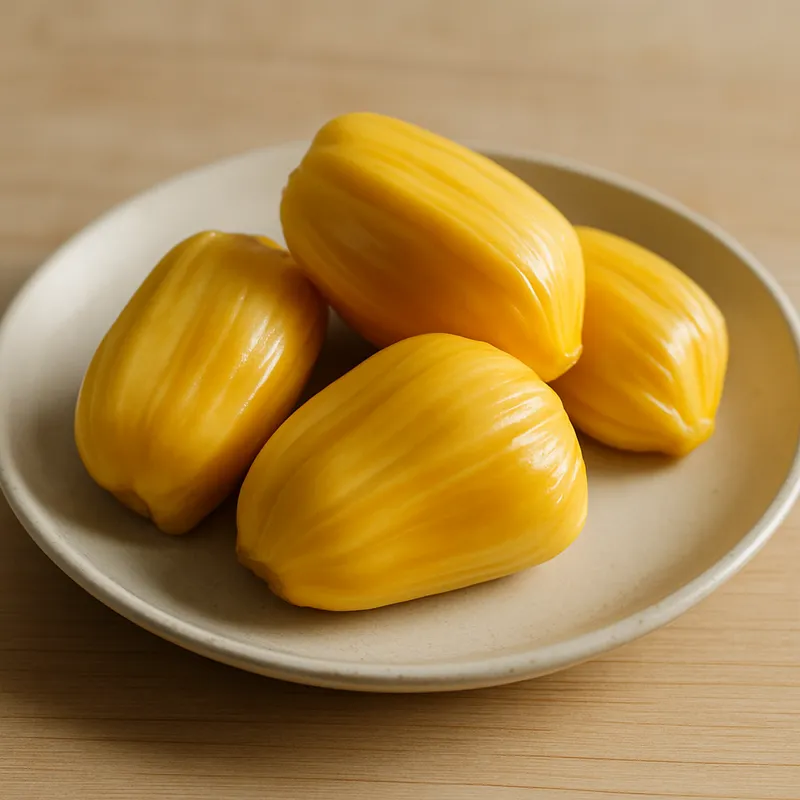 GI 60· Medium
Jackfruit (Kathal, ripe)
कटहल · పనస పండు
A large tropical fruit whose ripe yellow bulbs are sweet and fibrous. Moderate GI with a decent fiber content.
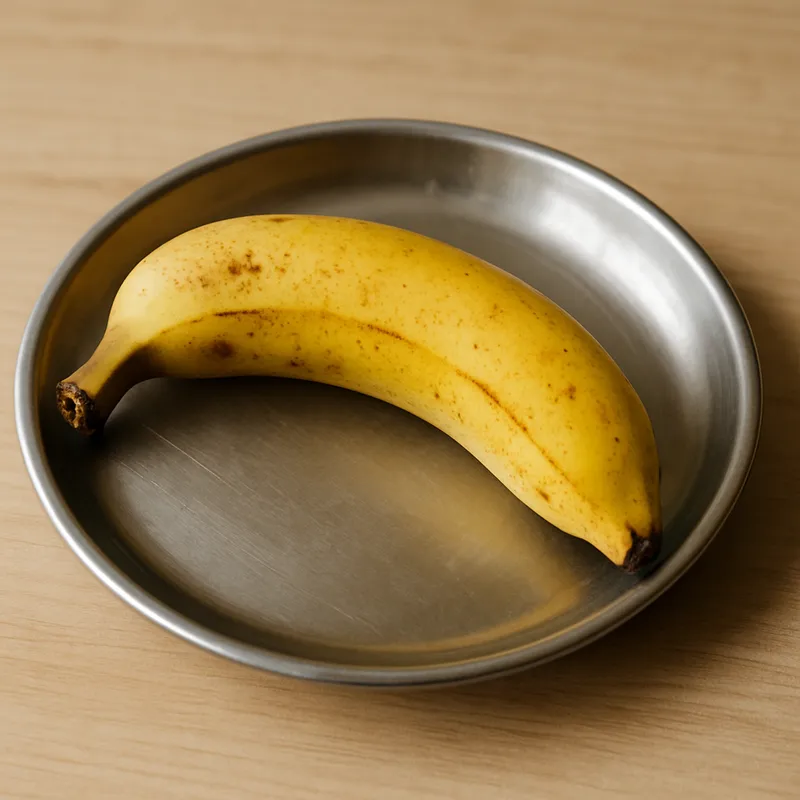 GI 62· Medium
Banana
केला · అరటి పండు
The most consumed fruit in India. GI varies by ripeness — green/semi-ripe is lower GI than fully ripe bananas.
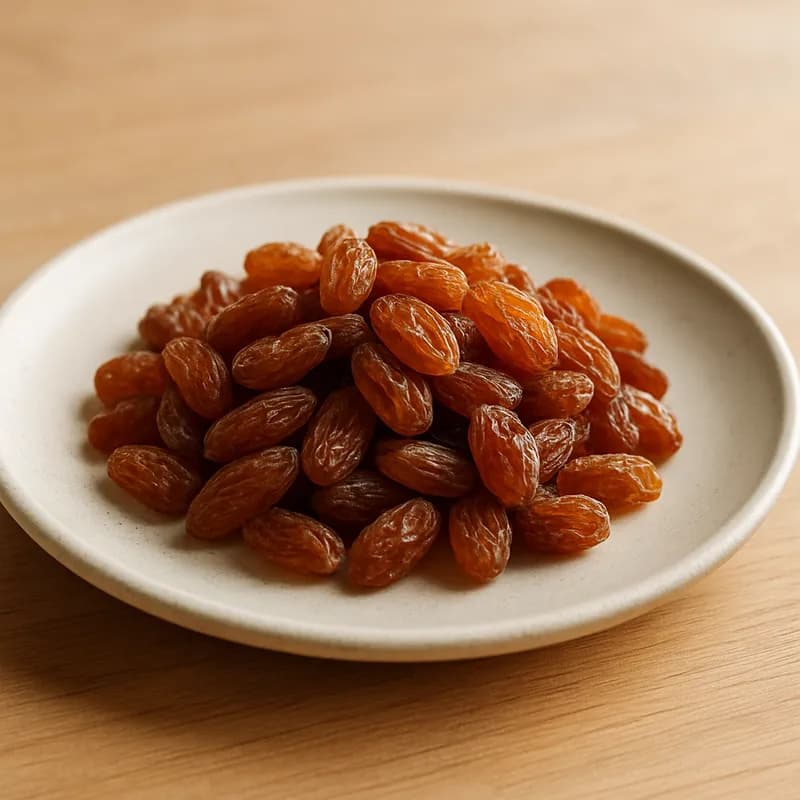 GI 64· Medium
Raisins (Kishmish, dried)
किशमिश · ఎండు ద్రాక్ష
Dried grapes that are concentrated in natural sugars, giving them a high glycemic load despite a moderate GI. Best eaten in small amounts.
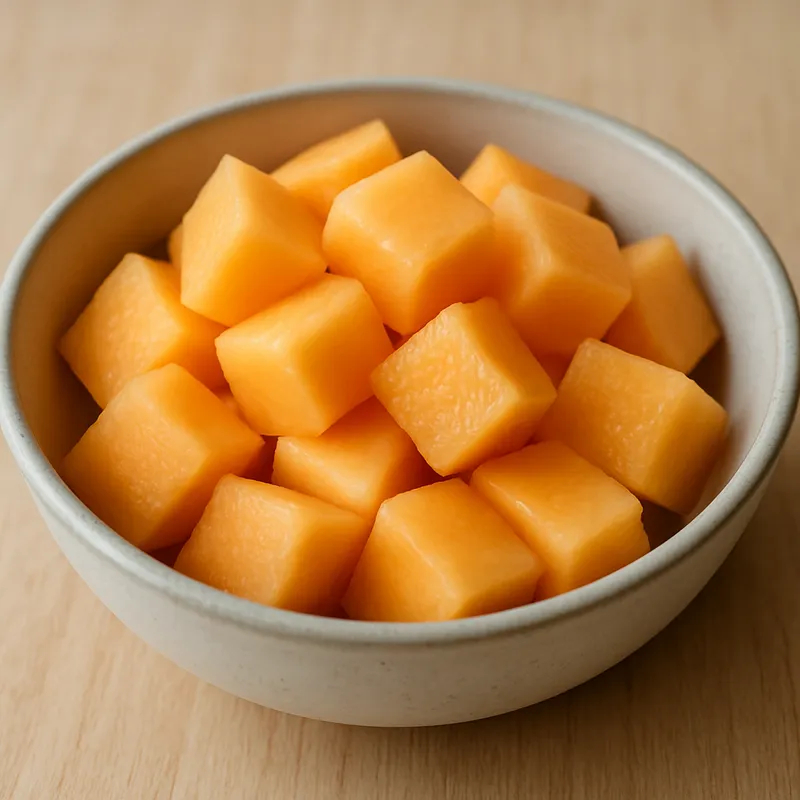 GI 65· Medium
Muskmelon (Kharbooja / Cantaloupe)
खरबूजा · ఖర్బూజా
A juicy, hydrating summer melon with high water content and beta-carotene. Moderate GI but low glycemic load per serving.
 GI 76· High
Watermelon
तरबूज़ · పుచ్చకాయ
High GI but low GL per serving because it's mostly water. The numbers look scary but actual blood sugar impact is moderate in normal portions.
 GI 79· High
Lychee
लीची · లీచి
Sweet, juicy summer fruit from Eastern India. High sugar content gives it a high GI — enjoy in limited quantities.
Which is better? Side-by-side comparisons
Common questions
Which fruits are safe for sugar patients?
Low-GI fruits are safest: guava, jamun, amla, pear, apple, orange, strawberry and kiwi all raise blood sugar slowly and are high in fiber, making them good everyday choices for sugar patients.
Which fruits should sugar patients avoid or limit?
Sweeter, higher-GI fruits like watermelon, ripe mango, banana, chikoo, pineapple and dried fruits (raisins, dates) raise blood sugar faster. Sugar patients don't have to avoid them entirely but should keep portions small and pair them with nuts or a meal.
Can sugar patients eat mango?
Yes, in small portions. Mango has a medium GI, so a few slices occasionally — ideally with some nuts or after a balanced meal — is fine, but a whole large mango on its own can raise blood sugar quickly.
Is banana good for sugar patients?
Banana has a medium GI and is best eaten in small portions or as a half banana. A slightly under-ripe banana raises blood sugar a little less than a very ripe one. Lower-GI fruits like guava and jamun are safer daily picks.
Sources
- Atkinson FS, Brand-Miller JC, Foster-Powell K, Buyken AE, Goletzke J. International tables of glycemic index and glycemic load values 2021: a systematic review. American Journal of Clinical Nutrition, 2021; 114(5): 1625–1632.
- University of Sydney, Glycemic Index Research Service — GI Database (glycemicindex.com).
- Longvah T, Ananthan R, Bhaskarachary K, Venkaiah K. Indian Food Composition Tables 2017. National Institute of Nutrition (ICMR), Hyderabad.
- ICMR–National Institute of Nutrition. Dietary Guidelines for Indians, 2024.
- ISO 26642:2010. Food products — Determination of the glycaemic index (GI) and recommendation for food classification.
Many Indian dishes have never been clinically tested, so some values are estimates — each food page shows whether its GI was measured or estimated. See our methodology.
This guide is for general educational purposes only and is not medical advice. Glycemic index values are approximate and individual blood sugar responses vary. Please consult your doctor or a registered dietitian before making changes to your diet — see our full disclaimer.