Best Dals & Legumes for Diabetes
Dals and legumes are a diabetic's best friend: high in protein and fiber, low on the glycemic index, and central to Indian cooking. Every dal here sits firmly in the low-GI range — ranked from lowest GI up.
Updated · ranked by glycemic index, lowest first · How we source our data
Pair dal with a whole-grain roti or millet rather than a large serving of white rice to keep the whole meal low-GI.
At a glance: GI, GL and nutrition compared
| Food | GI | GL | Serving | Calories | Protein | Fiber |
|---|---|---|---|---|---|---|
| Chana Dal | 8 | 1 | 1 medium bowl (cooked) | 130 kcal | 9g | 6g |
| Soybean (boiled white soybeans) | 16 | 1 | 1 small bowl (boiled) | 173 kcal | 17g | 6g |
| Soya Chunks (Meal Maker) | 20 | 1 | 30 g dry (about 1 cup cooked) | 103 kcal | 15.6g | 4g |
| Dried Green Peas (Vatana, boiled) | 22 | 5 | 1 small bowl (boiled) | 118 kcal | 8g | 8g |
| Horse Gram (Kulthi / Ulavalu, cooked) | 25 | 6 | 1 small bowl (cooked) | 132 kcal | 9g | 7g |
| Masoor Dal (Red Lentils) | 26 | 4 | 1 medium bowl (cooked) | 115 kcal | 8g | 4g |
| Rajma (Kidney Beans) | 28 | 5 | 1 medium bowl (cooked) | 140 kcal | 9g | 7g |
| Kala Chana (Black Chickpeas, boiled) | 28 | 8 | 1 small bowl (boiled) | 164 kcal | 9g | 8g |
| Palakura Pappu | 28 | 3 | 1 bowl | 150 kcal | 9g | 6g |
| Toor Dal (Arhar) | 29 | 4 | 1 medium bowl (cooked) | 120 kcal | 8g | 5g |
| Urad Dal (Black Gram) | 30 | 5 | 1 medium bowl (cooked) | 130 kcal | 9g | 5g |
| Whole Green Moong (Sabut Moong, cooked) | 30 | 6 | 1 small bowl (cooked) | 105 kcal | 7g | 8g |
| Dosakaya Pappu | 30 | 6 | 1 bowl | 150 kcal | 9g | 5g |
| Moong Dal | 31 | 5 | 1 medium bowl (cooked) | 105 kcal | 7.5g | 4g |
| Chole (Chickpeas) | 33 | 7 | 1 medium bowl | 160 kcal | 9g | 8g |
| Black-Eyed Peas (Lobia) | 33 | 6 | 1 medium bowl (cooked) | 130 kcal | 8g | 6g |
| Moth Beans (Matki, sprouted and cooked) | 35 | 7 | 1 small bowl (sprouted, cooked) | 117 kcal | 7g | 7g |
| Cholar Dal | 40 | 11 | 1 bowl | 220 kcal | 10g | 6g |
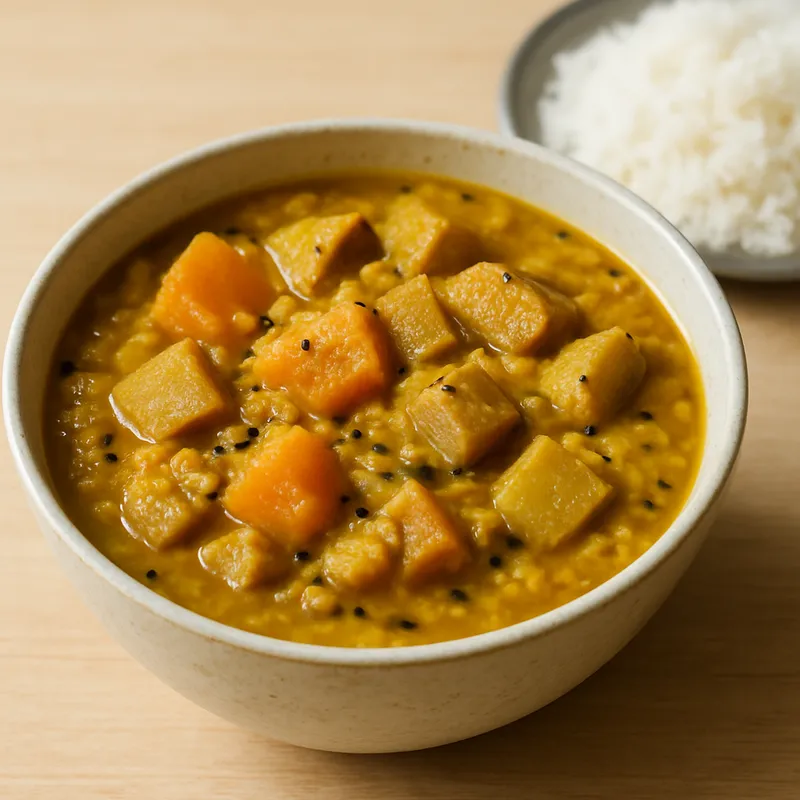
| Dalma | 40 | 10 | 1 bowl | 200 kcal | 10g | 6g |
GL and nutrition are per serving. How these values are sourced
Looking for every option? See the complete list of low-GI Indian foods.
Explore each food
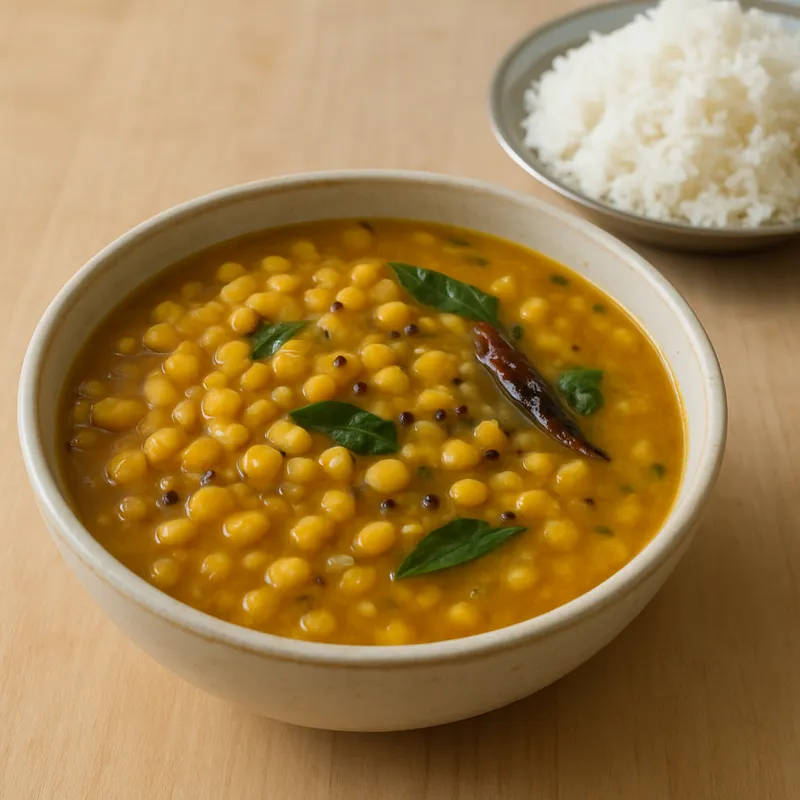 GI 8· Low
Chana Dal
चना दाल · శనగపప్పు
Split Bengal gram, one of the lowest GI foods available. Excellent source of protein and complex carbohydrates.
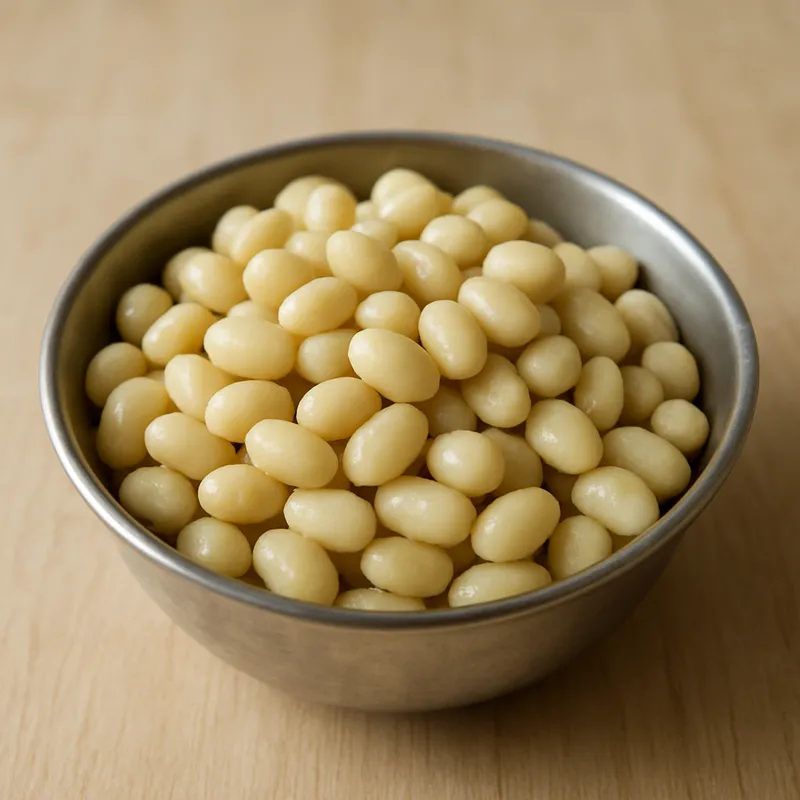 GI 16· Low
Soybean (boiled white soybeans)
सोयाबीन · సోయాబీన్
Boiled white soybeans, one of the highest-protein and lowest-GI legumes available. Rich in complete protein and isoflavones, with very little impact on blood sugar.
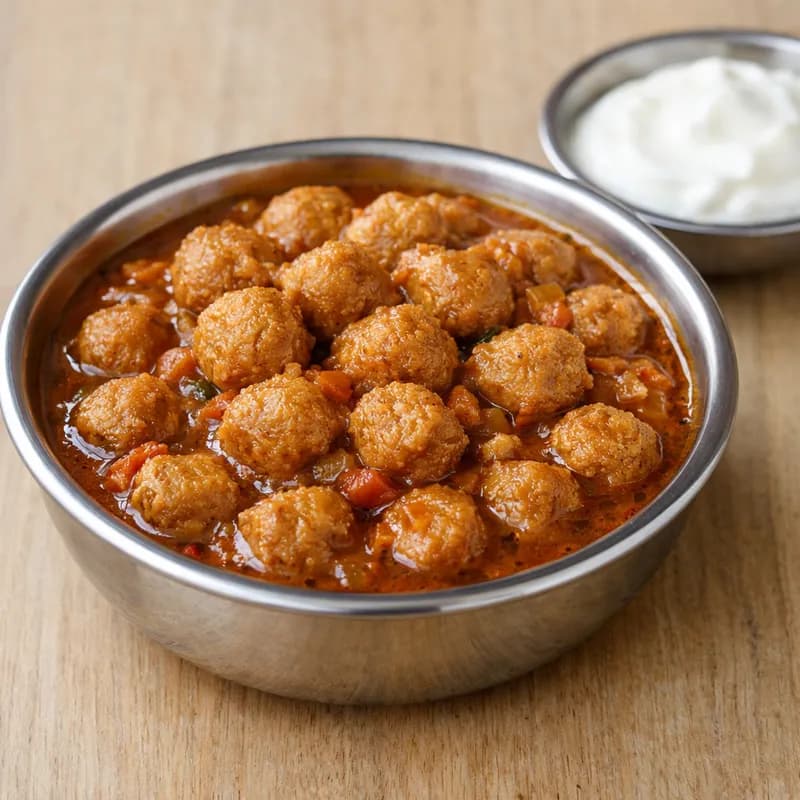 GI 20· Low
Soya Chunks (Meal Maker)
सोया चंक्स · సోయా చంక్స్ (మీల్ మేకర్)
Defatted soy flour pressed into chunks, sold as Nutrela or Meal Maker and cooked into curries, pulao and biryani. About half its weight is protein and the carbs are mostly fiber, so it barely moves blood sugar.
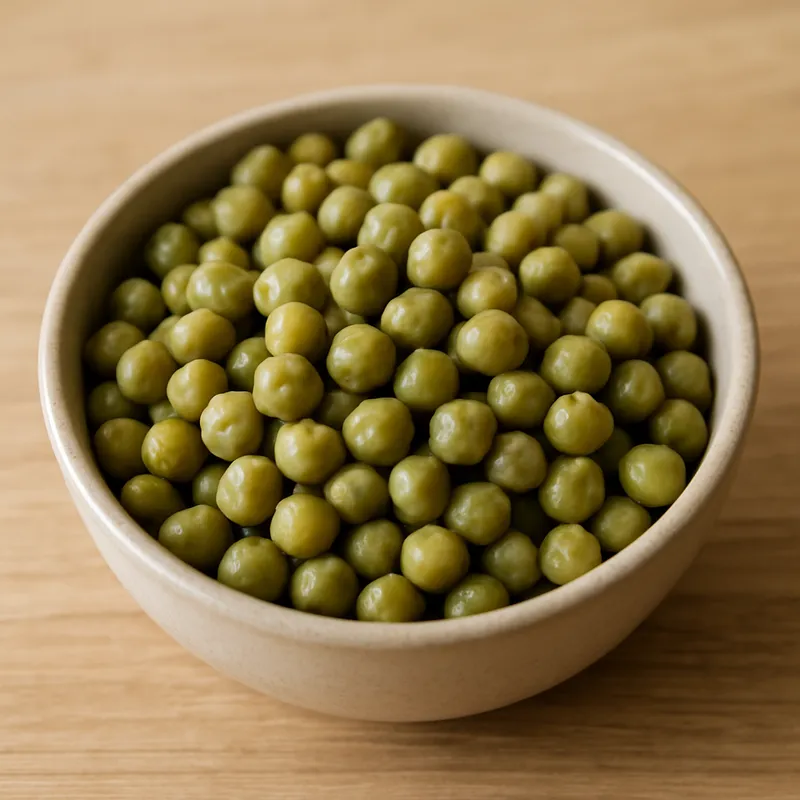 GI 22· Low
Dried Green Peas (Vatana, boiled)
सूखे हरे मटर · ఎండు బటాణీలు
Dried whole green peas (vatana), boiled as the base for ghugni and ragda. A low-GI pulse high in fiber and plant protein, popular in Bengali and Maharashtrian street food.
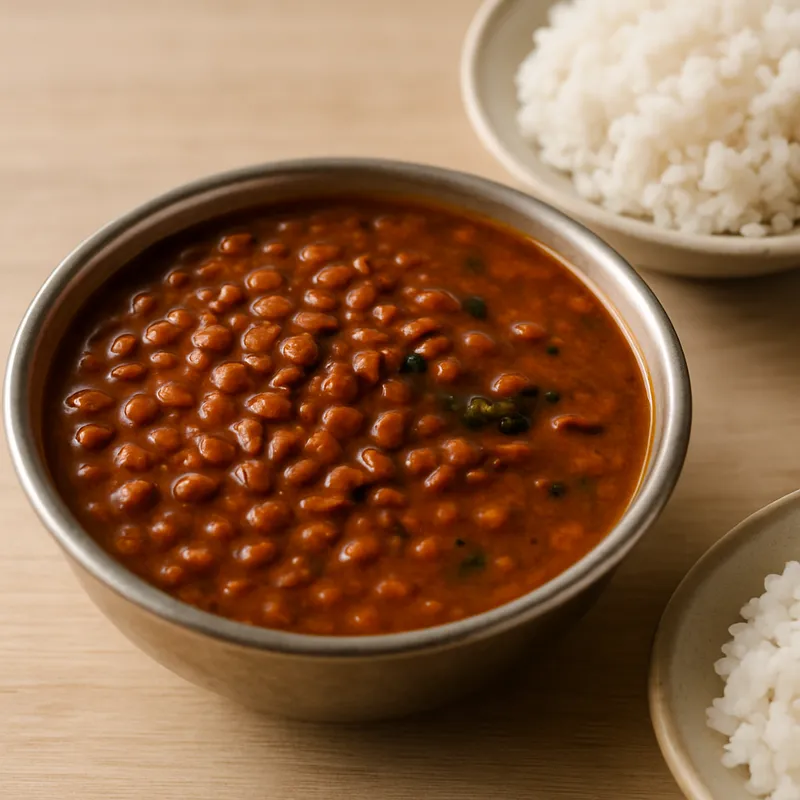 GI 25· Low
Horse Gram (Kulthi / Ulavalu, cooked)
कुलथी · ఉలవలు
A hard, reddish-brown legume cooked into curries and rasam. Horse gram has a very low glycemic index and is prized in traditional Indian medicine for weight management and metabolic health.
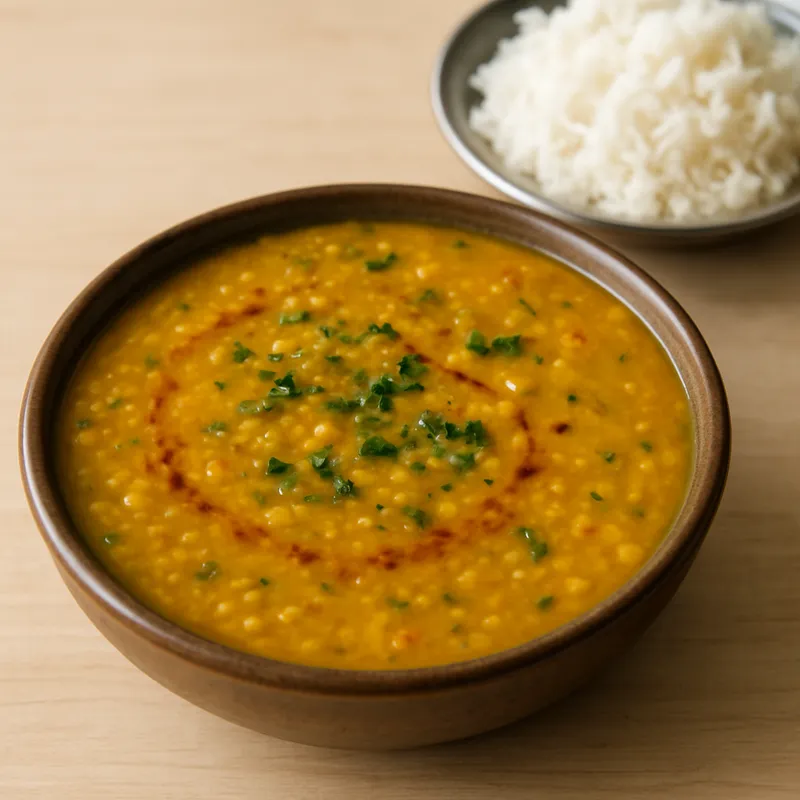 GI 26· Low
Masoor Dal (Red Lentils)
मसूर दाल · మసూర్ పప్పు
Red/orange lentils that cook quickly. One of the most affordable protein sources in India. Low GI with good iron content.
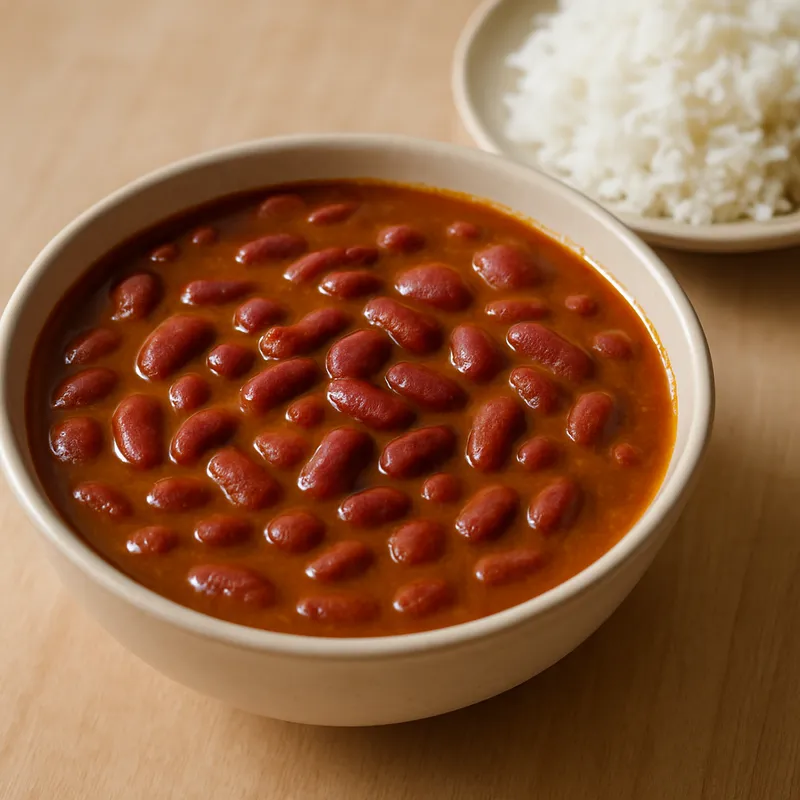 GI 28· Low
Rajma (Kidney Beans)
राजमा · రాజ్మా
Red kidney beans, a North Indian staple especially in Punjabi cuisine. Excellent protein source with low GI.
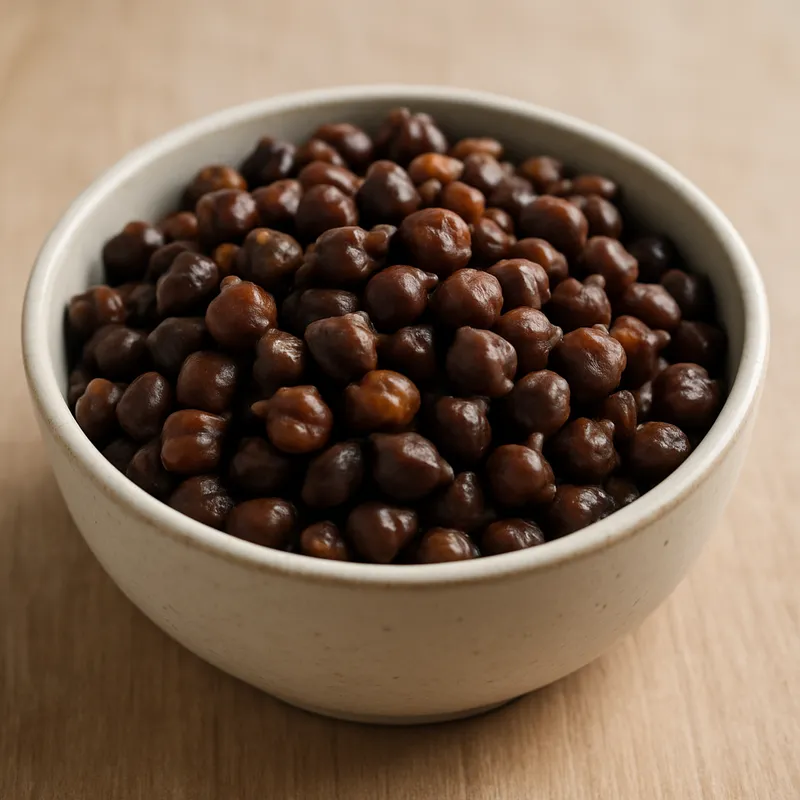 GI 28· Low
Kala Chana (Black Chickpeas, boiled)
काला चना · నల్ల శనగలు
Whole brown-black chickpeas, boiled. A protein- and fiber-rich legume with a low glycemic index, popular across India as a salad base, curry, or snack.
 GI 28· Low
Palakura Pappu
पालकूरा पप्पु · పాలకూర పప్పు
Telugu spinach dal of toor dal cooked with plenty of palak, tomato and green chilli, finished with a garlic tempering. Protein from the dal and fiber from the greens make it very low GI.
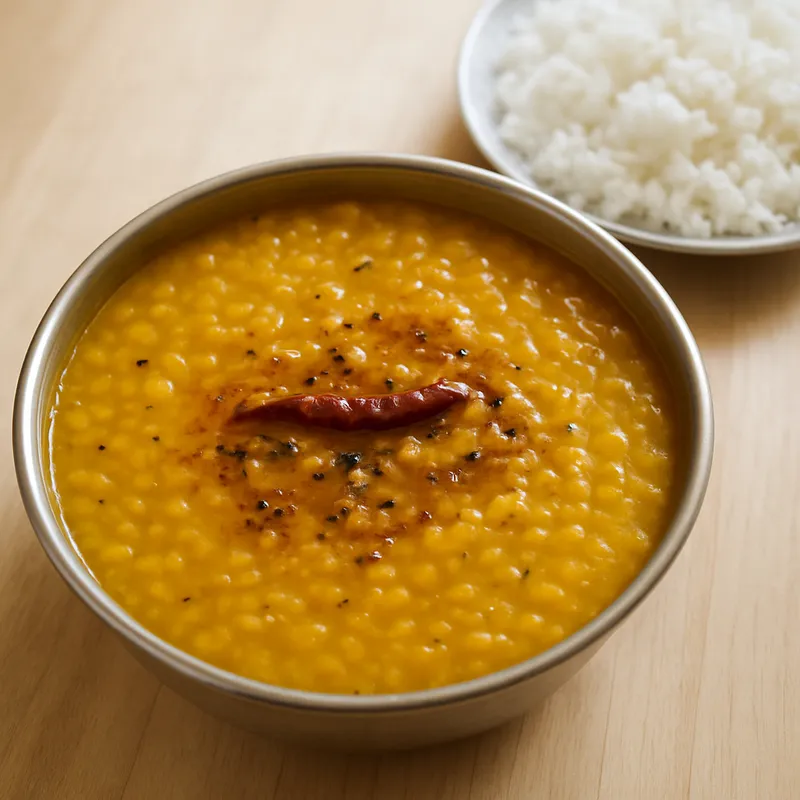 GI 29· Low
Toor Dal (Arhar)
तुअर दाल · కందిపప్పు
Split pigeon peas, the most widely consumed dal across India. Used in sambar, dal fry, and rasam.
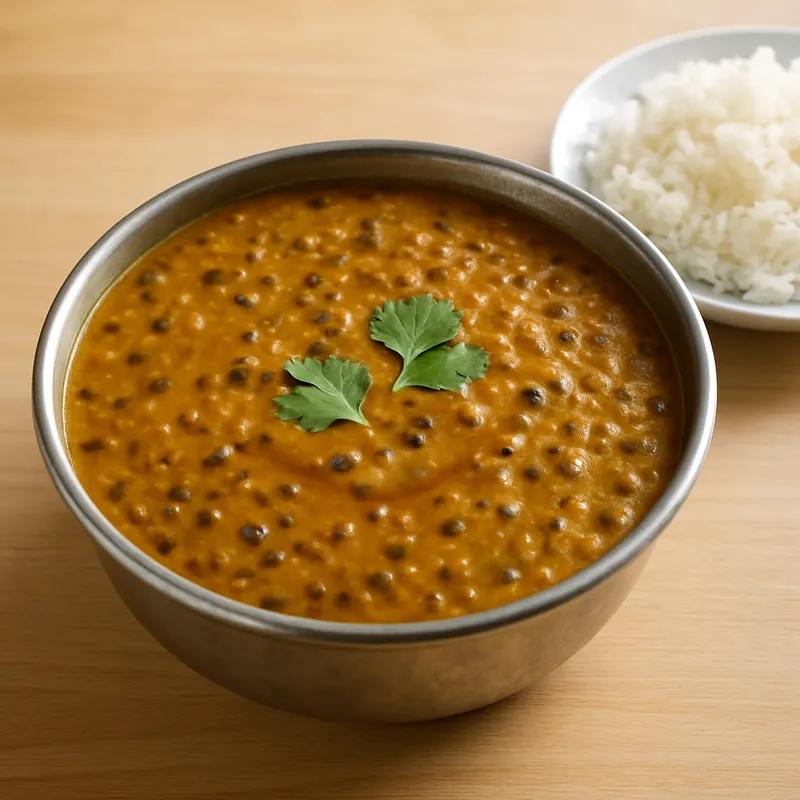 GI 30· Low
Urad Dal (Black Gram)
उड़द दाल · మినపప్పు
Split black gram, base of idli/dosa batter and dal makhani. Very high in protein and iron. Low GI.
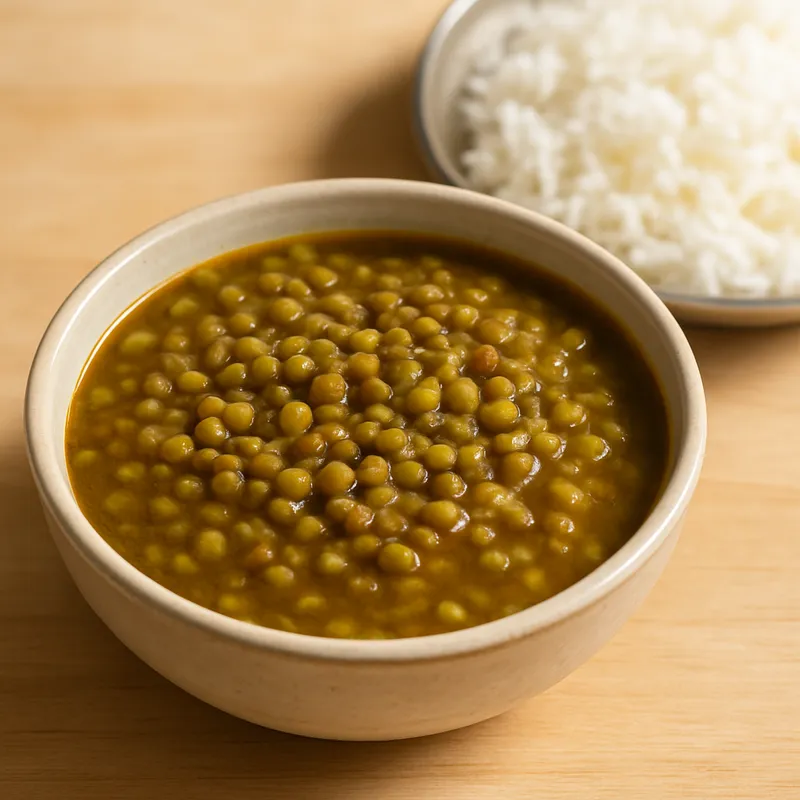 GI 30· Low
Whole Green Moong (Sabut Moong, cooked)
साबुत मूंग · పెసలు
Whole green gram cooked with skin intact. One of the lowest-GI and most easily digested legumes in India, used in dals, salads, and khichdi.
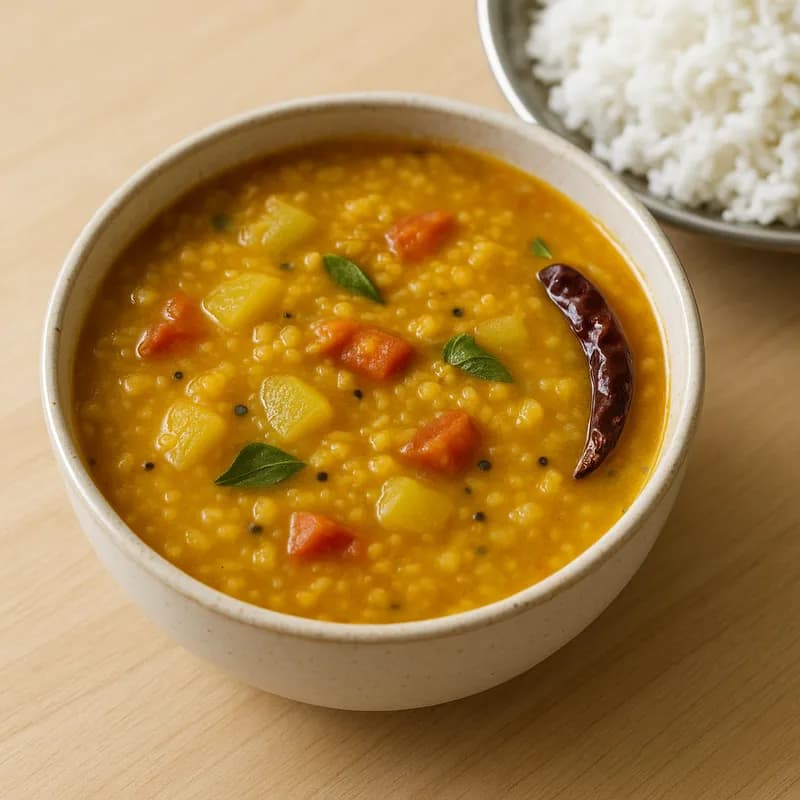 GI 30· Low
Dosakaya Pappu
दोसकाया पप्पु · దోసకాయ పప్పు
A homely Andhra dal of toor lentils cooked with yellow cucumber (dosakaya), tomato and tamarind. High in plant protein and fiber with a gentle, low glycemic impact.
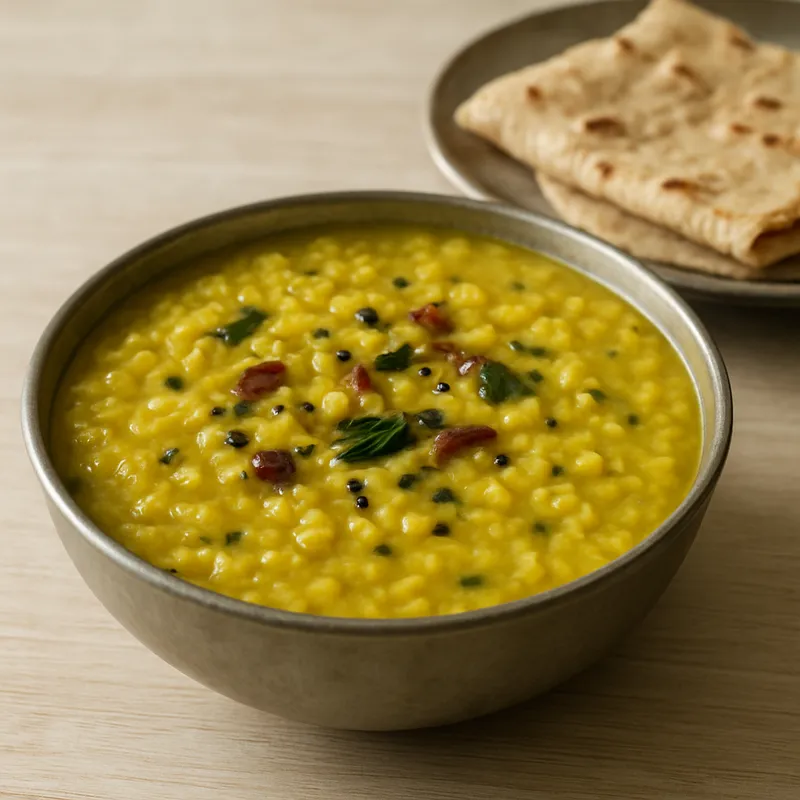 GI 31· Low
Moong Dal
मूंग दाल · పెసర పప్పు
Split green gram, one of the lightest and most easily digestible dals. Low GI and high in protein.
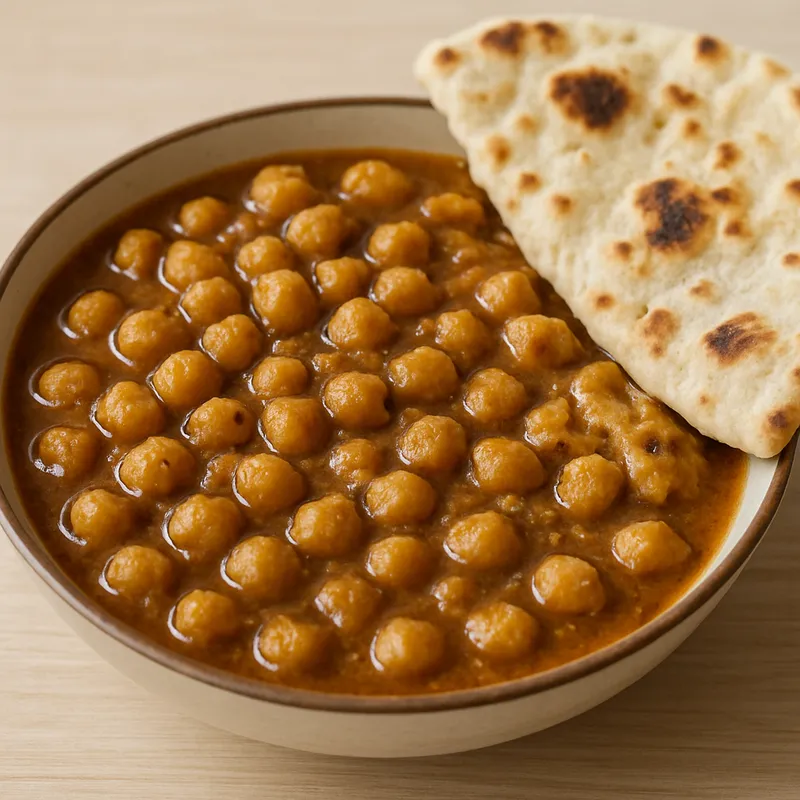 GI 33· Low
Chole (Chickpeas)
छोले · చోళాలు / సెనగలు
Whole chickpeas cooked in spiced gravy. A Punjab-origin dish now popular nationwide. High in protein and fiber.
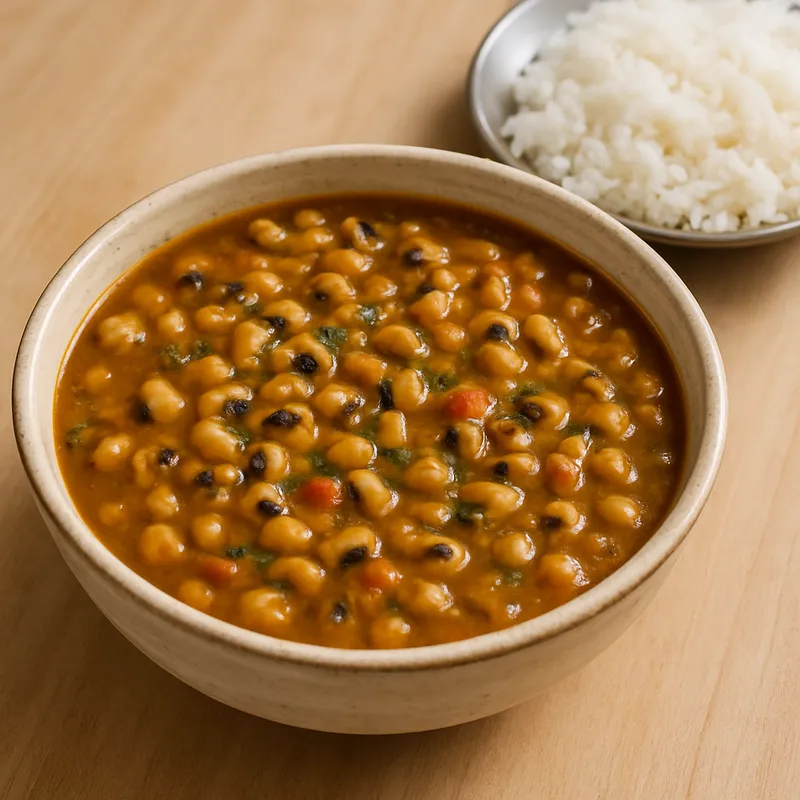 GI 33· Low
Black-Eyed Peas (Lobia)
लोबिया · అలసందలు / బొబ్బర్లు
Versatile legume used in curries, salads, and sundal. Good protein and fiber with low GI. Popular across India.
 GI 35· Low
Moth Beans (Matki, sprouted and cooked)
मटकी · మత్తి బీన్స్
Small brown moth beans (matki / Turkish gram), usually sprouted then lightly cooked. A drought-hardy legume with a low GI and high fiber, common in Maharashtrian usal and Rajasthani dishes.
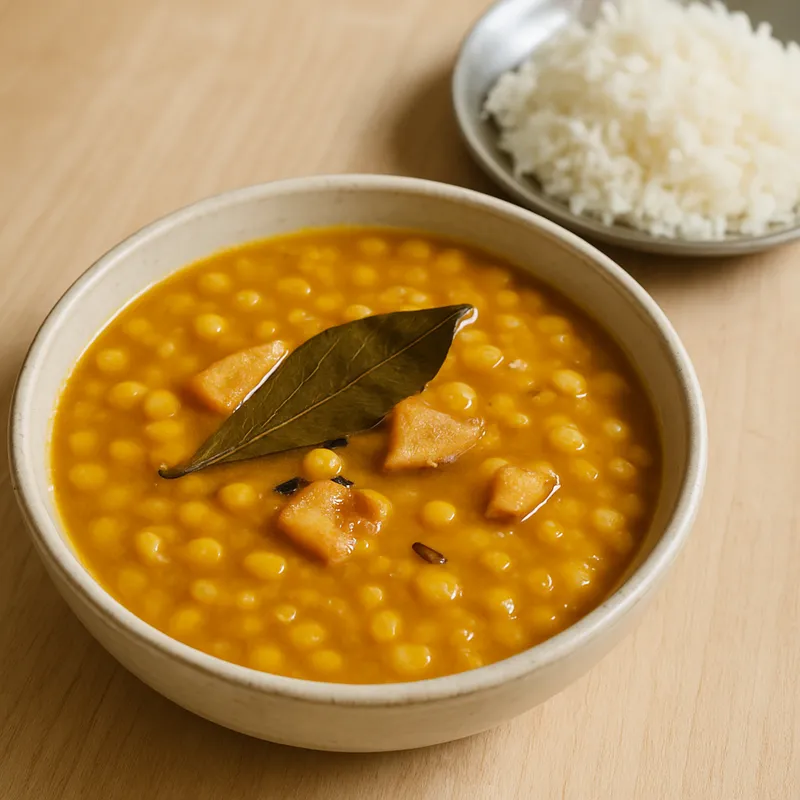 GI 40· Low
Cholar Dal
छोलार दाल · చోలార్ దాల్
A mildly sweet Bengali preparation of split Bengal gram (chana dal) tempered with coconut, cumin and bay leaf. Chana dal is one of the lowest-GI dals.
 GI 40· Low
Dalma
डालमा · దాల్మా
A wholesome Odia dish of toor dal cooked together with vegetables like pumpkin, raw banana and yam, tempered with cumin and panch phoron. Dal and vegetables make it low-GI and filling.
Common questions
Are dals good for diabetics?
Yes — dals and legumes have a low glycemic index and are rich in protein and fiber, which slow digestion and keep blood sugar stable. They are among the best staples for a diabetic diet.
Which dal is best for diabetes?
Chana dal has one of the lowest glycemic indexes, but moong, masoor, toor and urad dal are all excellent low-GI choices. Whole legumes like soybean, rajma and kala chana are equally good.
Sources
- Atkinson FS, Brand-Miller JC, Foster-Powell K, Buyken AE, Goletzke J. International tables of glycemic index and glycemic load values 2021: a systematic review. American Journal of Clinical Nutrition, 2021; 114(5): 1625–1632.
- University of Sydney, Glycemic Index Research Service — GI Database (glycemicindex.com).
- Longvah T, Ananthan R, Bhaskarachary K, Venkaiah K. Indian Food Composition Tables 2017. National Institute of Nutrition (ICMR), Hyderabad.
- ICMR–National Institute of Nutrition. Dietary Guidelines for Indians, 2024.
- ISO 26642:2010. Food products — Determination of the glycaemic index (GI) and recommendation for food classification.
Many Indian dishes have never been clinically tested, so some values are estimates — each food page shows whether its GI was measured or estimated. See our methodology.
This guide is for general educational purposes only and is not medical advice. Glycemic index values are approximate and individual blood sugar responses vary. Please consult your doctor or a registered dietitian before making changes to your diet — see our full disclaimer.