Best Indian Foods to Control Blood Sugar
If you're managing your blood sugar, the foods that help most are the ones that raise it slowly. These everyday Indian foods all have a low glycemic index, so they release glucose gently instead of causing a spike. They're ranked from lowest GI upward.
Updated · ranked by glycemic index, lowest first · How we source our data
Short answer
Build each meal around a low-GI base (dal, vegetables, millet or whole-grain roti), keep white rice and sweets small, and add protein or fiber to slow sugar absorption.
At a glance: GI, GL and nutrition compared
| Food | GI | GL | Serving | Calories | Protein | Fiber |
|---|---|---|---|---|---|---|
| Methi (Fenugreek Leaves) | 5 | 0 | 1 bunch (cooked) | 25 kcal | 2.3g | 2.5g |
| Spinach (Palak) | 6 | 0 | 1 large bowl (cooked) | 23 kcal | 2.9g | 2.2g |
| Chana Dal | 8 | 1 | 1 medium bowl (cooked) | 130 kcal | 9g | 6g |
| Paneer | 10 | 0 | 4-5 cubes | 260 kcal | 18g | 0g |
| Coconut (Fresh) | 10 | 1 | 1 small piece of fresh coconut | 175 kcal | 1.7g | 4.5g |
| Onion | 10 | 1 | 1 medium onion | 40 kcal | 1.1g | 1.7g |
| Drumstick (Moringa) | 10 | 0 | 2-3 drumstick pieces (in sambar) | 37 kcal | 2.1g | 3.2g |
| Cabbage (Patta Gobi) | 10 | 0 | 1 medium bowl (cooked) | 25 kcal | 1.3g | 2.5g |
| Greek Yogurt (Unsweetened) | 11 | 1 | 1 small bowl | 90 kcal | 15g | 0g |
| Guava (Amrood) | 12 | 2 | 1 medium guava | 68 kcal | 2.5g | 5g |
| Curd / Yogurt (Dahi) | 14 | 1 | 1 medium bowl | 90 kcal | 5g | 0g |
| Bitter Gourd (Karela) | 15 | 1 | 1 medium bowl (cooked) | 20 kcal | 1g | 2.5g |
| Tomato | 15 | 1 | 1 medium tomato | 18 kcal | 0.9g | 1.2g |
| Cauliflower (Gobi) | 15 | 1 | 1 medium bowl (cooked) | 25 kcal | 2g | 2g |
| Brinjal (Baingan) | 15 | 1 | 1 medium bowl (cooked) | 25 kcal | 1g | 3g |
| Bottle Gourd (Lauki) | 15 | 0 | 1 medium bowl (cooked) | 15 kcal | 0.6g | 0.5g |
| Ridge Gourd (Turai) | 15 | 0 | 1 medium bowl (cooked) | 18 kcal | 1.2g | 1.5g |
| Cucumber (Kheera) | 15 | 0 | 1 medium cucumber | 16 kcal | 0.7g | 0.5g |
| Capsicum (Shimla Mirch) | 15 | 1 | 1 medium capsicum | 30 kcal | 1g | 2g |
| Ivy Gourd (Tindora) | 15 | 0 | 1 medium bowl (cooked) | 20 kcal | 1.2g | 1.5g |
| Radish (Mooli) | 15 | 0 | 1 medium radish | 16 kcal | 0.7g | 1.6g |
| Snake Gourd (Chichinda) | 15 | 0 | 1 medium bowl (cooked) | 18 kcal | 0.6g | 1g |
| Amla (Indian Gooseberry) | 15 | 2 | 2 medium fruits | 44 kcal | 0.9g | 4.3g |
| Mushroom (Button) | 15 | 1 | 1 cup sliced | 22 kcal | 3.1g | 1g |
| Broccoli | 15 | 1 | 1 cup florets | 34 kcal | 2.8g | 2.6g |
| French Beans (Green Beans) | 15 | 1 | 1 cup chopped | 31 kcal | 1.8g | 3.4g |
| Cluster Beans (Gawar / Guar) | 15 | 2 | 1 cup chopped | 48 kcal | 3.3g | 3.2g |
| Saga Bhaja | 15 | 0 | 1 small bowl | 70 kcal | 3g | 3g |
| Soybean (boiled white soybeans) | 16 | 1 | 1 small bowl (boiled) | 173 kcal | 17g | 6g |
| Okra (Bhindi) | 20 | 1 | 1 medium bowl (cooked) | 35 kcal | 2g | 3g |
| Soya Chunks (Meal Maker) | 20 | 1 | 30 g dry (about 1 cup cooked) | 103 kcal | 15.6g | 4g |
| Dried Green Peas (Vatana, boiled) | 22 | 5 | 1 small bowl (boiled) | 118 kcal | 8g | 8g |
| Jamun (Java Plum) | 25 | 3 | 10-12 jamuns | 60 kcal | 0.7g | 1g |
| Horse Gram (Kulthi / Ulavalu, cooked) | 25 | 6 | 1 small bowl (cooked) | 132 kcal | 9g | 7g |
| Processed Cheese | 25 | 1 | 1 slice | 80 kcal | 5g | 0g |
| Masoor Dal (Red Lentils) | 26 | 4 | 1 medium bowl (cooked) | 115 kcal | 8g | 4g |
GL and nutrition are per serving. How these values are sourced
Looking for every option? See the complete list of low-GI Indian foods.
Explore each food
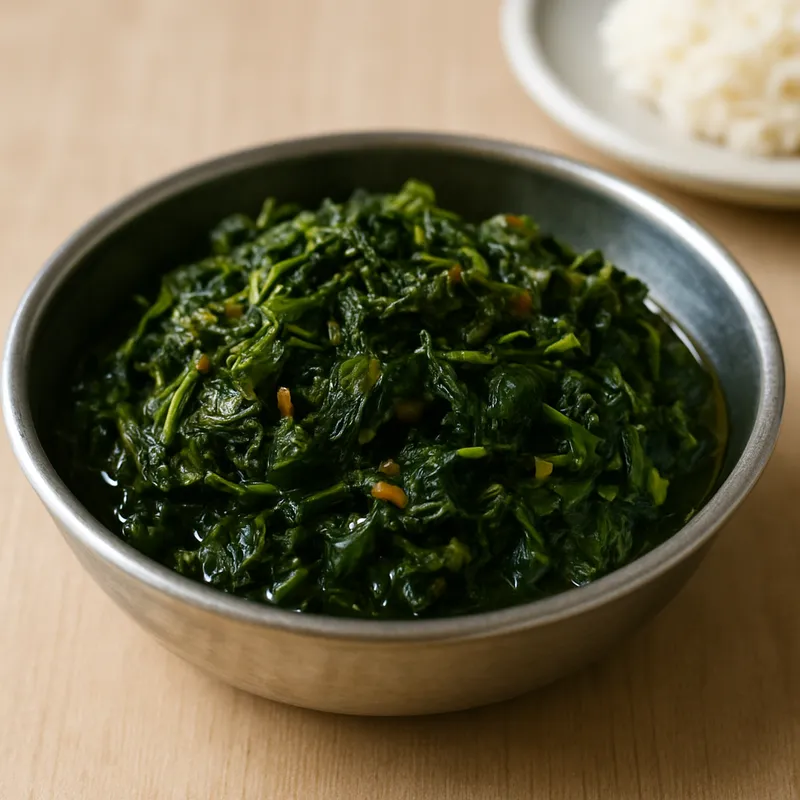 GI 5· Low
Methi (Fenugreek Leaves)
मेथी · మెంతికూర
Leafy green with proven blood sugar-lowering properties. Contains galactomannan fiber and 4-hydroxyisoleucine which improve insulin sensitivity.
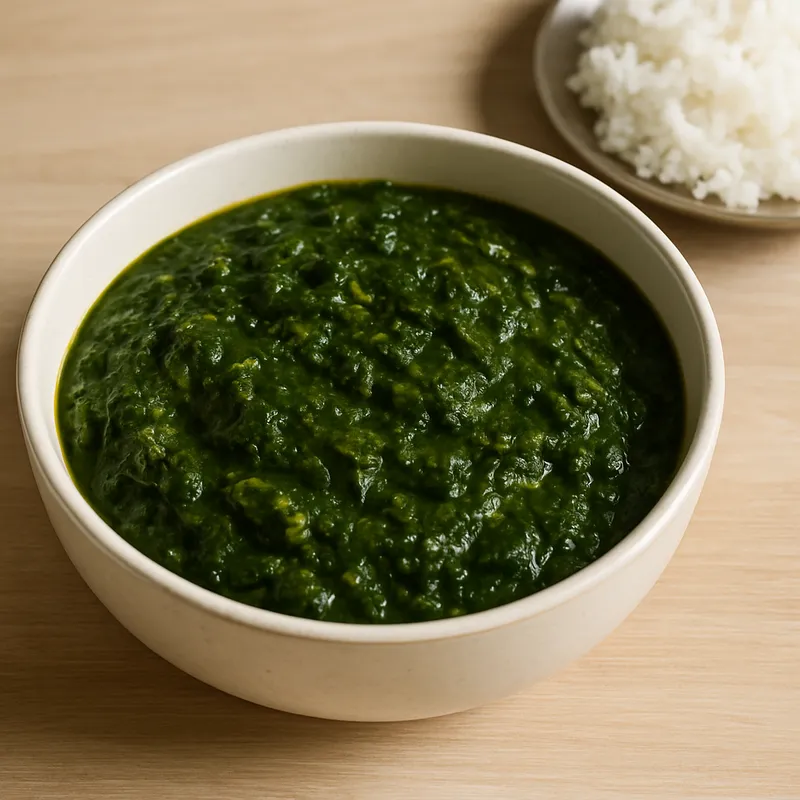 GI 6· Low
Spinach (Palak)
पालक · పాలకూర
Iron-rich leafy green used in palak paneer, dal palak, and many other dishes. Negligible GI and highly nutritious.
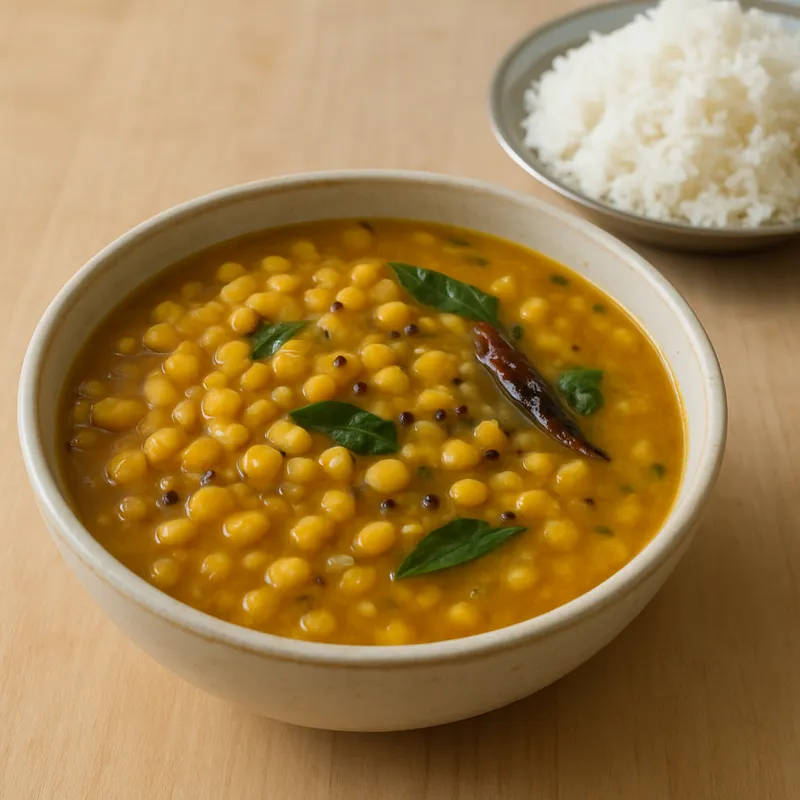 GI 8· Low
Chana Dal
चना दाल · శనగపప్పు
Split Bengal gram, one of the lowest GI foods available. Excellent source of protein and complex carbohydrates.
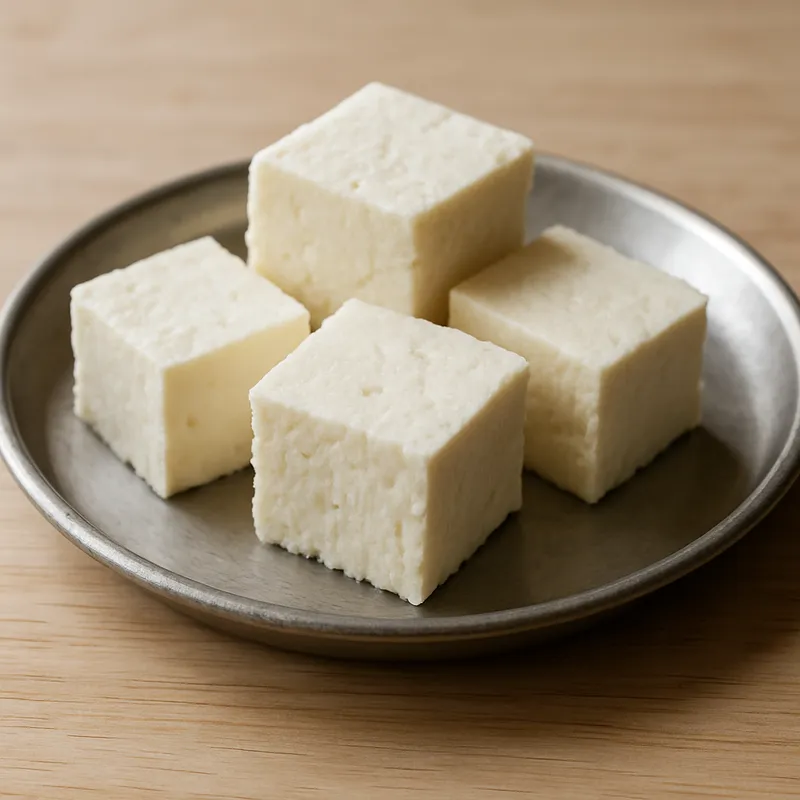 GI 10· Low
Paneer
पनीर · పనీర్
Indian cottage cheese. Very low GI, high protein. One of the best vegetarian protein sources for diabetics.
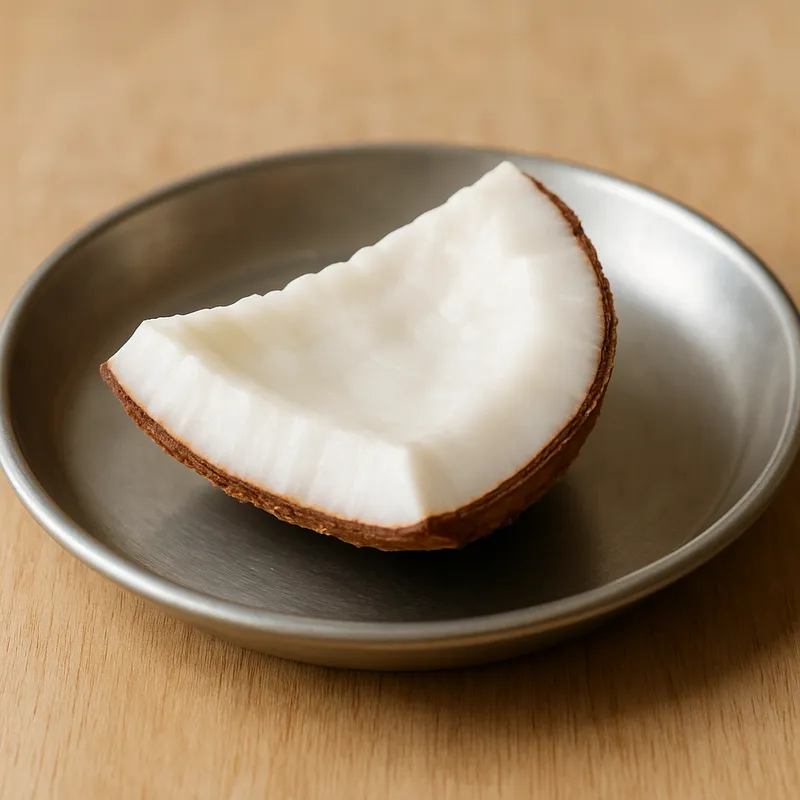 GI 10· Low
Coconut (Fresh)
नारियल · కొబ్బరి
Fresh coconut meat (malai). Very low GI due to high fat and fiber content with minimal carbohydrates.
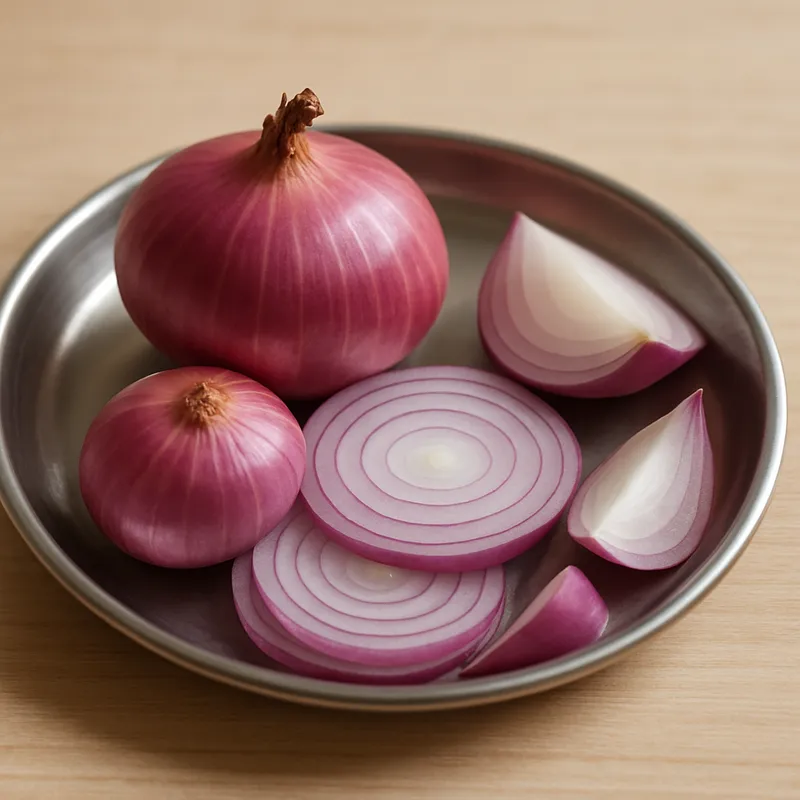 GI 10· Low
Onion
प्याज · ఉల్లిపాయ
Foundation of Indian cooking. Very low GI, contains quercetin and chromium which may aid blood sugar management.
 GI 10· Low
Drumstick (Moringa)
सहजन · మునగకాయ
Nutrient powerhouse used in sambar and curries. Moringa leaves and pods are both very low GI and packed with vitamins and minerals.
 GI 10· Low
Cabbage (Patta Gobi)
पत्ता गोभी · క్యాబేజి
Affordable, versatile vegetable used in sabzi, salads, and stir-fries. Very low GI with good fiber and vitamin C content.
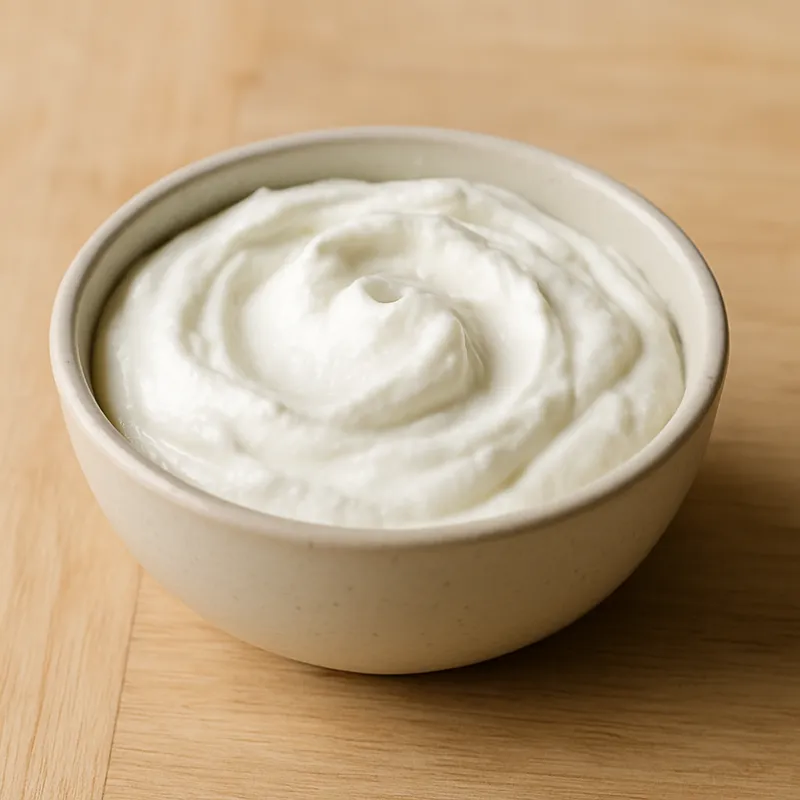 GI 11· Low
Greek Yogurt (Unsweetened)
ग्रीक दही · గ్రీక్ పెరుగు
Thick strained yogurt, unsweetened, with higher protein and lower carbs than regular curd. Low GI and a good choice for blood sugar management.
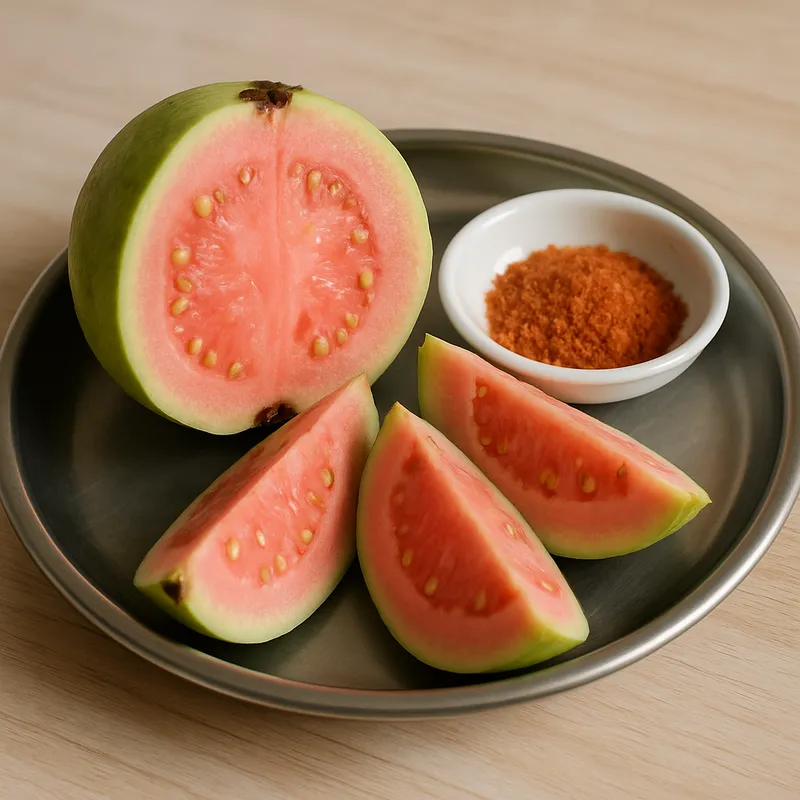 GI 12· Low
Guava (Amrood)
अमरूद · జామ పండు
One of the best fruits for diabetics in India. Very low GI, extremely high in vitamin C, and good fiber content.
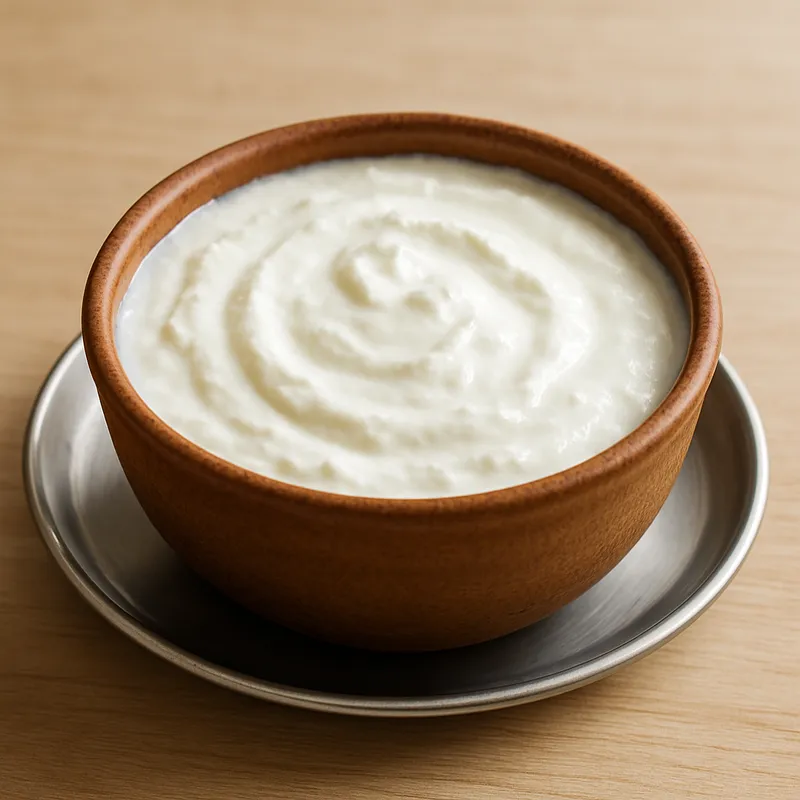 GI 14· Low
Curd / Yogurt (Dahi)
दही · పెరుగు
Plain homemade curd, a daily staple across India. Very low GI, probiotic benefits, and helps slow digestion of other foods when eaten together.
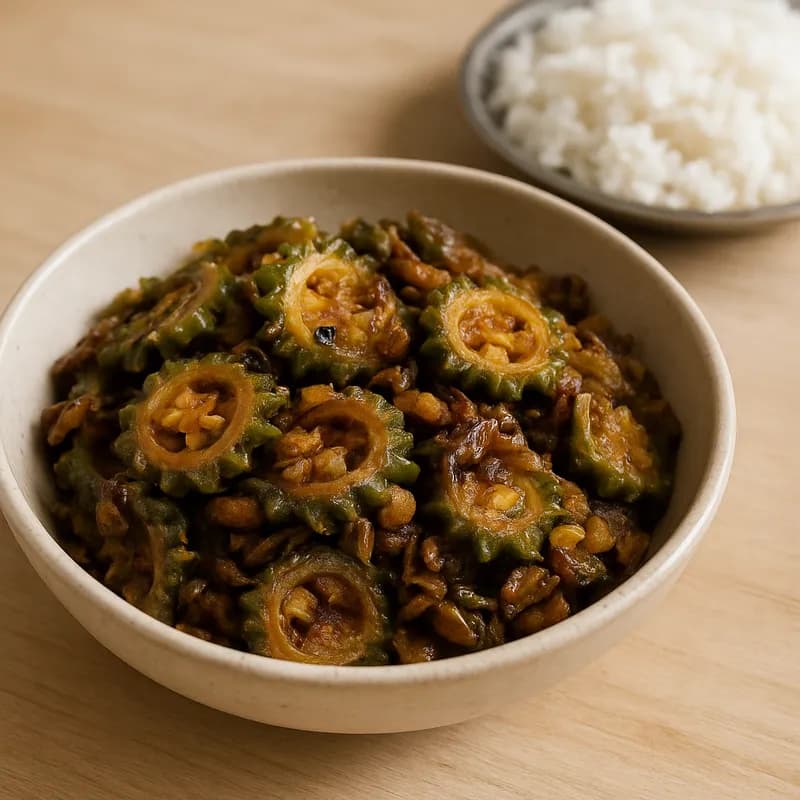 GI 15· Low
Bitter Gourd (Karela)
करेला · కాకరకాయ
Traditionally used for diabetes management in India. Contains compounds that mimic insulin action. Very low GI.
 GI 15· Low
Tomato
टमाटर · టమాటో
Essential in Indian cooking. Very low GI and rich in lycopene. Used in virtually every curry, sambar, and chutney.
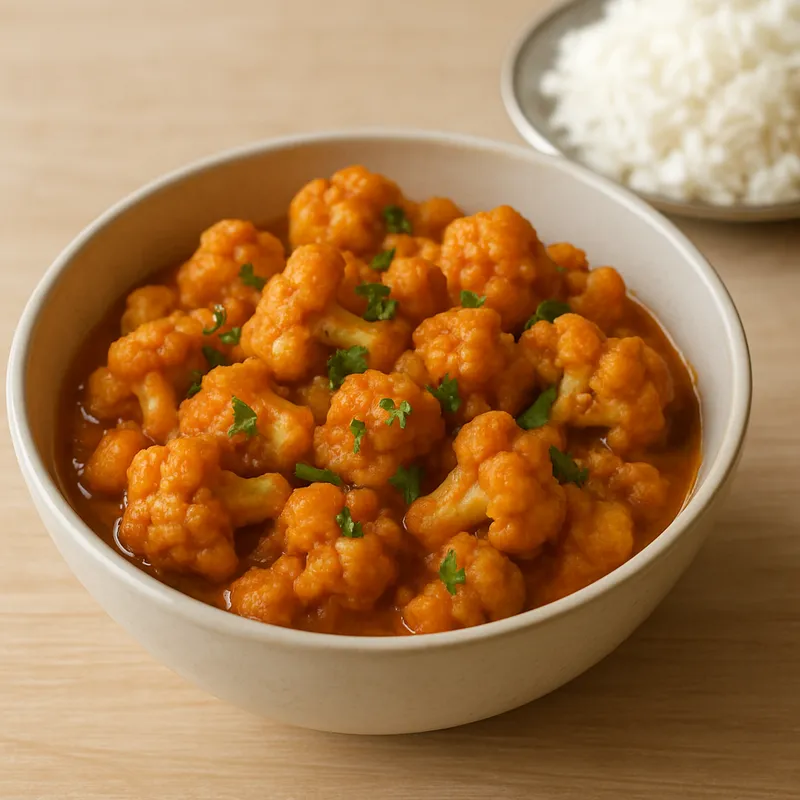 GI 15· Low
Cauliflower (Gobi)
गोभी · గోబీ
Versatile vegetable used in gobi manchurian, aloo gobi, gobi paratha, and more. Very low GI and low calorie.
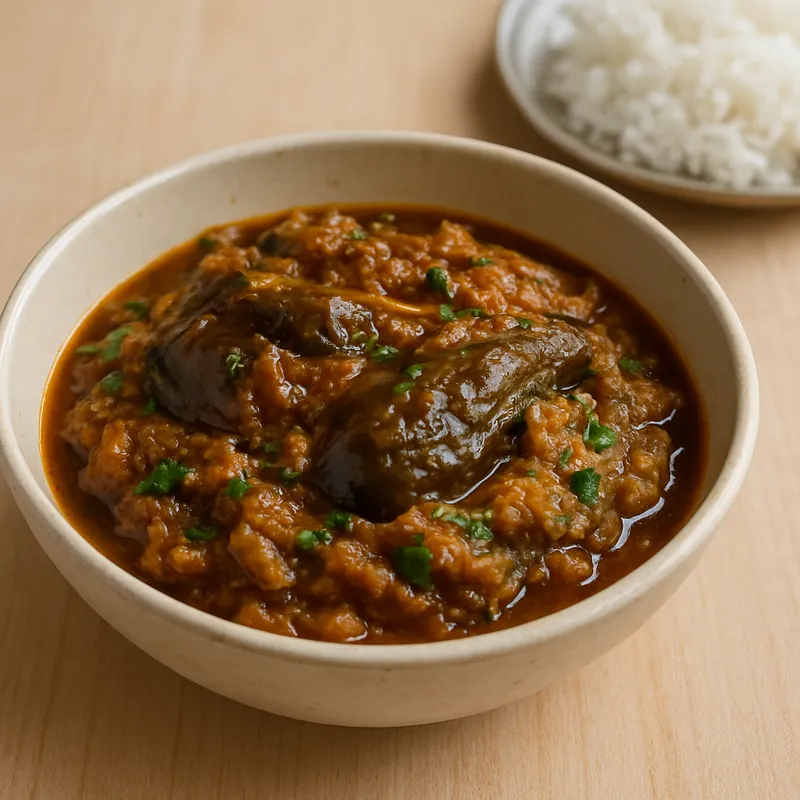 GI 15· Low
Brinjal (Baingan)
बैंगन · వంకాయ
Eggplant used in bharwa baingan, baingan bharta, and many South Indian dishes. Very low GI with good fiber.
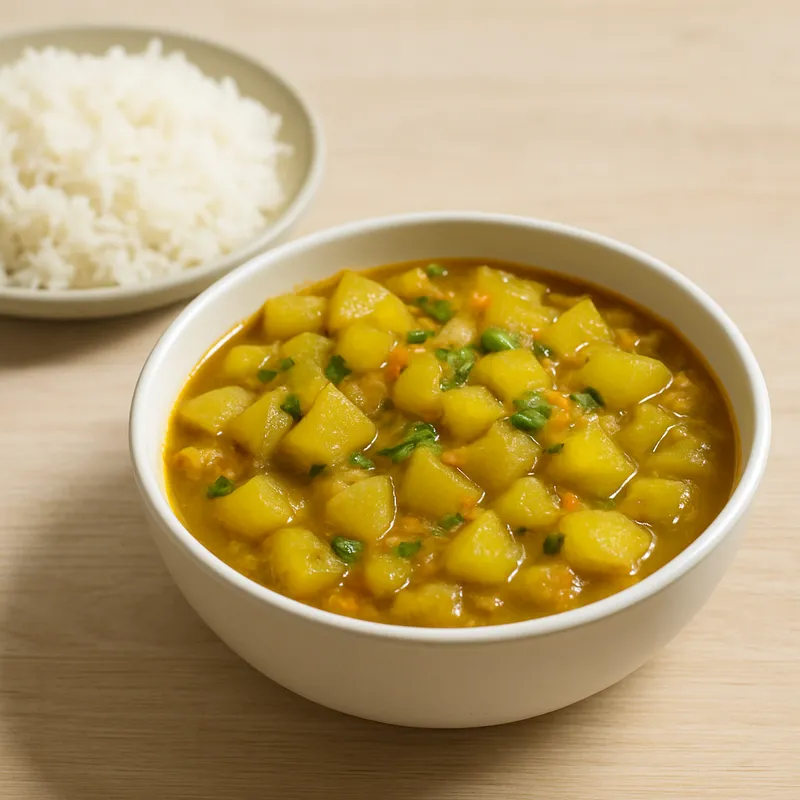 GI 15· Low
Bottle Gourd (Lauki)
लौकी · సొరకాయ
Very low calorie gourd used in kofta, halwa, and sabzi. High water content makes it excellent for hydration and weight management.
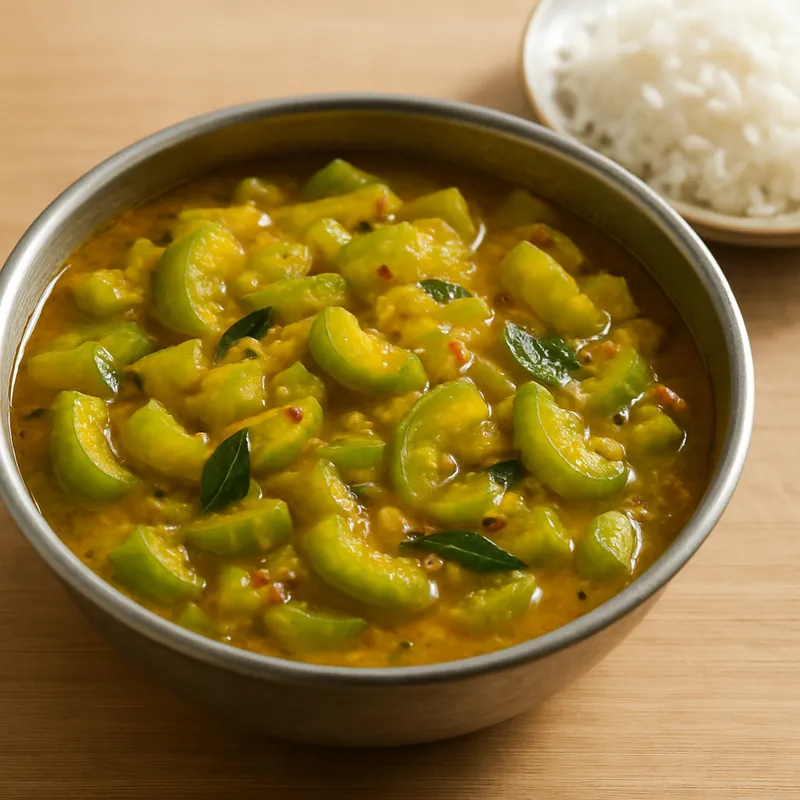 GI 15· Low
Ridge Gourd (Turai)
तुरई · బీరకాయ
Light, easy-to-digest gourd popular in South Indian cooking. Very low GI and calorie, good for everyday diabetic meals.
 GI 15· Low
Cucumber (Kheera)
खीरा · దోసకాయ
Hydrating, low-calorie vegetable perfect for salads and raita. Virtually zero glycemic impact. Ideal diabetic snack.
 GI 15· Low
Capsicum (Shimla Mirch)
शिमला मिर्च · క్యాప్సికం
Bell peppers (green, red, yellow) used in stir-fries and curries. Very low GI, rich in vitamin C, and adds crunch to meals.
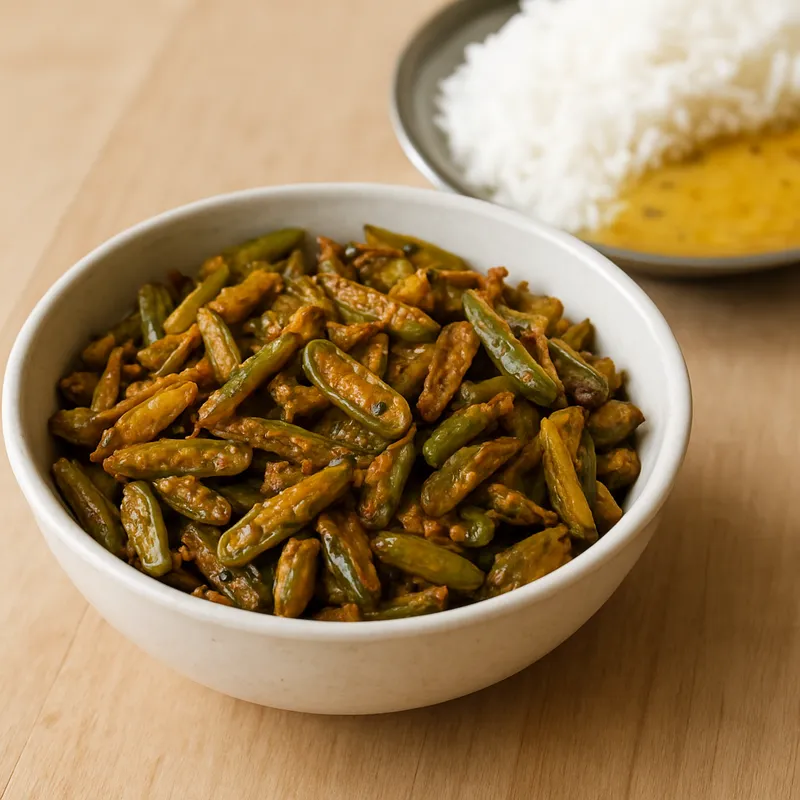 GI 15· Low
Ivy Gourd (Tindora)
कुंदरू / तिंडोरा · దొండకాయ
Small gourd vegetable popular in South and West Indian cuisine. Research suggests it has anti-hyperglycemic properties.
 GI 15· Low
Radish (Mooli)
मूली · ముల్లంగి
Crunchy root vegetable eaten raw in salads or cooked in parathas and sambar. Very low GI and aids digestion.
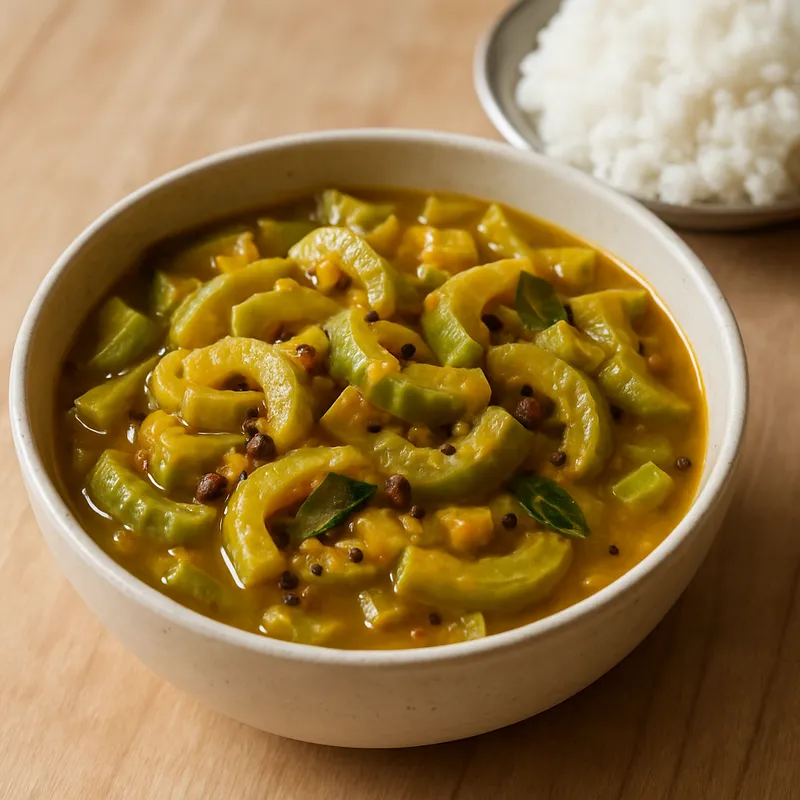 GI 15· Low
Snake Gourd (Chichinda)
चिचिंडा · పొట్లకాయ
Long green gourd used in South Indian curries and stir-fries. Very low calorie, very low GI — a diabetic-friendly everyday vegetable.
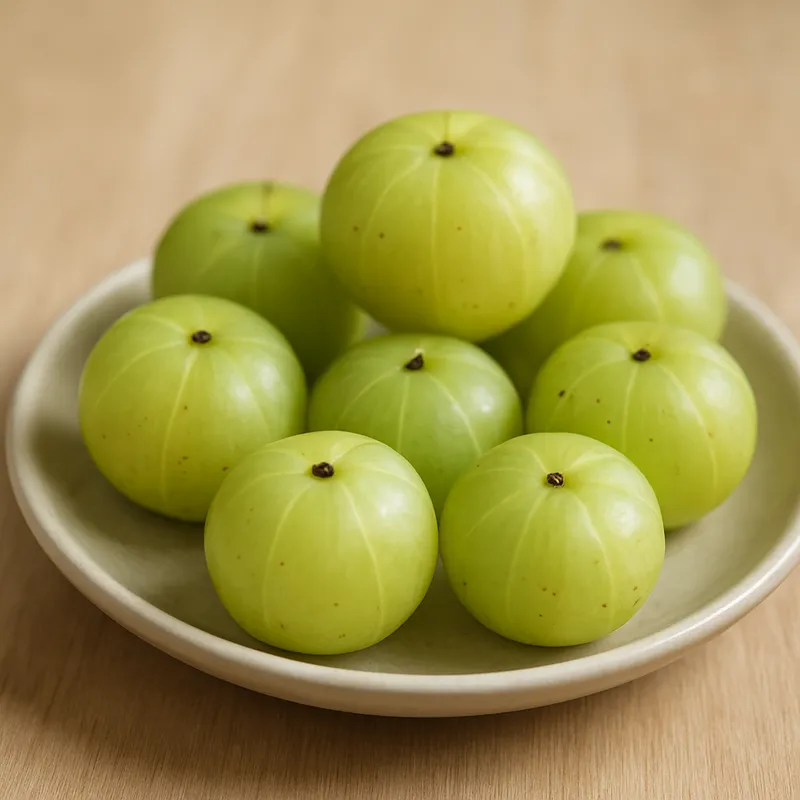 GI 15· Low
Amla (Indian Gooseberry)
आंवला · ఉసిరికాయ
A sour, vitamin C-rich superfruit with a very low GI. Excellent for diabetics and rich in antioxidants.
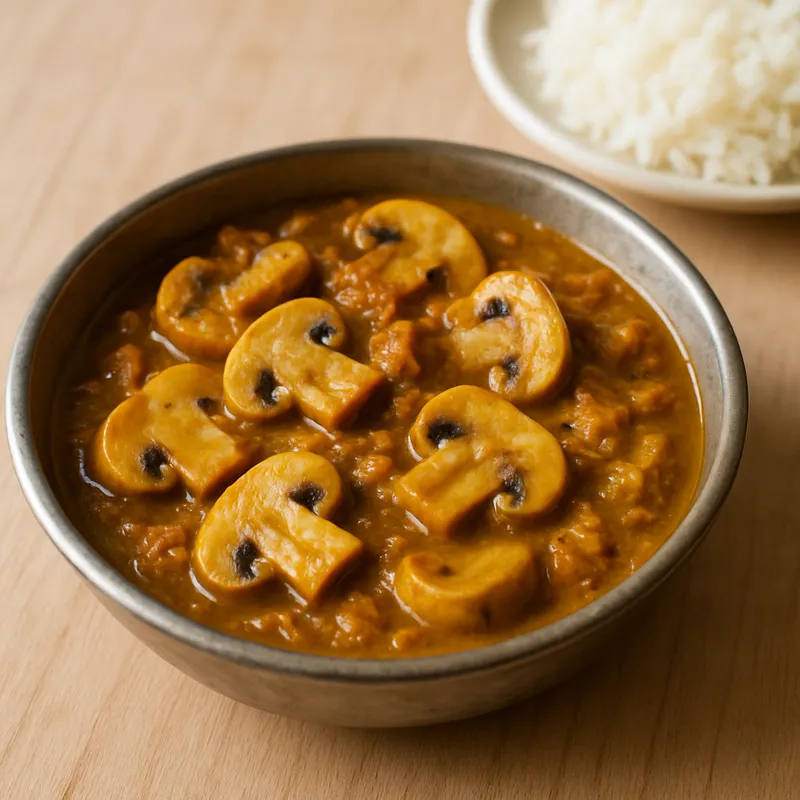 GI 15· Low
Mushroom (Button)
मशरूम · పుట్టగొడుగు
A low-calorie, low-carb fungus with negligible impact on blood sugar. Rich in B vitamins and a good source of plant protein.
Showing 24 of 36. Every food is in the table above.
Browse by food group
Common questions
What foods should a sugar patient eat?
Low-GI foods that raise blood sugar slowly are the best choices: dals and legumes, non-starchy and leafy vegetables, millets (ragi, jowar, bajra, foxtail), whole-wheat or multigrain rotis, curd and paneer, and low-GI fruits like guava, jamun, pear and apple.
Which foods should sugar patients avoid?
Limit high-GI foods that spike blood sugar quickly — polished white rice, refined-flour (maida) breads, sabudana, potatoes in large amounts, sweets, sugary drinks and most packaged snacks. They aren't fully banned, but portions should be small and paired with protein or fiber.
Can sugar patients eat rice and roti?
Yes, in sensible portions. Choose brown, red, hand-pounded rice or millets over polished white rice, and whole-wheat or multigrain roti over maida. Keeping the portion modest and adding dal, vegetables and protein lowers the meal's overall blood-sugar impact.
What is the best diet to control blood sugar naturally?
A diet built mostly from low-GI foods — dals, vegetables, millets, whole grains, curd and low-GI fruits — with controlled portions of rice and sweets, regular meal timing, and protein or fiber at each meal helps control blood sugar naturally alongside your doctor's advice.
Sources
- Atkinson FS, Brand-Miller JC, Foster-Powell K, Buyken AE, Goletzke J. International tables of glycemic index and glycemic load values 2021: a systematic review. American Journal of Clinical Nutrition, 2021; 114(5): 1625–1632.
- University of Sydney, Glycemic Index Research Service — GI Database (glycemicindex.com).
- Longvah T, Ananthan R, Bhaskarachary K, Venkaiah K. Indian Food Composition Tables 2017. National Institute of Nutrition (ICMR), Hyderabad.
- ICMR–National Institute of Nutrition. Dietary Guidelines for Indians, 2024.
- ISO 26642:2010. Food products — Determination of the glycaemic index (GI) and recommendation for food classification.
Many Indian dishes have never been clinically tested, so some values are estimates — each food page shows whether its GI was measured or estimated. See our methodology.
This guide is for general educational purposes only and is not medical advice. Glycemic index values are approximate and individual blood sugar responses vary. Please consult your doctor or a registered dietitian before making changes to your diet — see our full disclaimer.