High-Fiber Indian Foods
Fiber slows down how quickly sugar enters your bloodstream, keeps you full, and supports gut health — which is why high-fiber foods are central to managing blood sugar and weight. These Indian foods are the richest in fiber in our database, ranked from highest fiber down.
Updated · ranked by fiber per serving · How we source our data
Short answer
The highest-fiber Indian foods are whole legumes and dals — chole, kala chana, whole green moong and dried green peas (8g fiber per serving) and rajma and horse gram (7g) — followed by millets such as foxtail (6.7g) and ragi (5.5g). Vegetables have less per serving: green peas lead at 4g, then French beans, cluster beans, drumstick, okra and brinjal at about 3g.
Aim to include a high-fiber food at every meal, increase fiber gradually, and drink plenty of water so the extra fiber is comfortable to digest.
At a glance: GI, GL and nutrition compared
| Food | GI | GL | Serving | Calories | Protein | Fiber |
|---|---|---|---|---|---|---|
| Misal Pav | 60 | 30 | 1 plate with 1 pav | 400 kcal | 15g | 10g |
| Rajma Chawal | 55 | 18 | 1 plate (rice + rajma) | 350 kcal | 14g | 9g |
| Chana Masala | 36 | 9 | 1 medium bowl | 240 kcal | 11g | 9g |
| Litti Chokha | 58 | 34 | 2 litti with chokha | 420 kcal | 13g | 9g |
| Chole (Chickpeas) | 33 | 7 | 1 medium bowl | 160 kcal | 9g | 8g |
| Kala Chana (Black Chickpeas, boiled) | 28 | 8 | 1 small bowl (boiled) | 164 kcal | 9g | 8g |
| Whole Green Moong (Sabut Moong, cooked) | 30 | 6 | 1 small bowl (cooked) | 105 kcal | 7g | 8g |
| Dried Green Peas (Vatana, boiled) | 22 | 5 | 1 small bowl (boiled) | 118 kcal | 8g | 8g |
| Dal Makhani | 38 | 8 | 1 medium bowl | 290 kcal | 12g | 8g |
| Rajma (Kidney Beans) | 28 | 5 | 1 medium bowl (cooked) | 140 kcal | 9g | 7g |
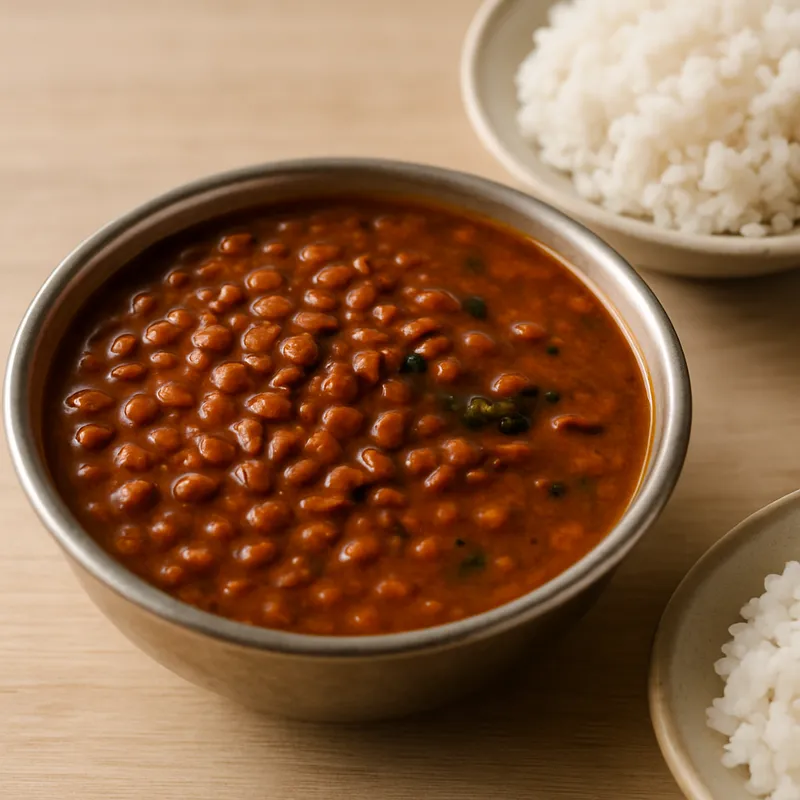
| Moth Beans (Matki, sprouted and cooked) | 35 | 7 | 1 small bowl (sprouted, cooked) | 117 kcal | 7g | 7g |
| Horse Gram (Kulthi / Ulavalu, cooked) | 25 | 6 | 1 small bowl (cooked) | 132 kcal | 9g | 7g |
| Undhiyu | 45 | 10 | 1 bowl | 210 kcal | 6g | 7g |
| Ker Sangri | 30 | 4 | 1 small bowl | 150 kcal | 5g | 7g |
| Ghugni | 35 | 7 | 1 bowl | 190 kcal | 9g | 7g |
| Foxtail Millet | 44 | 12 | 1 medium bowl (cooked) | 160 kcal | 6g | 6.7g |
| Chana Dal | 8 | 1 | 1 medium bowl (cooked) | 130 kcal | 9g | 6g |
| Black-Eyed Peas (Lobia) | 33 | 6 | 1 medium bowl (cooked) | 130 kcal | 8g | 6g |
| Barley (Jau, Cooked) | 28 | 12 | 1 cup (cooked) | 193 kcal | 3.5g | 6g |
| Barnyard Millet (Sanwa / Samvat / Udalu, Cooked) | 50 | 19 | 1 medium bowl (cooked) | 165 kcal | 4g | 6g |
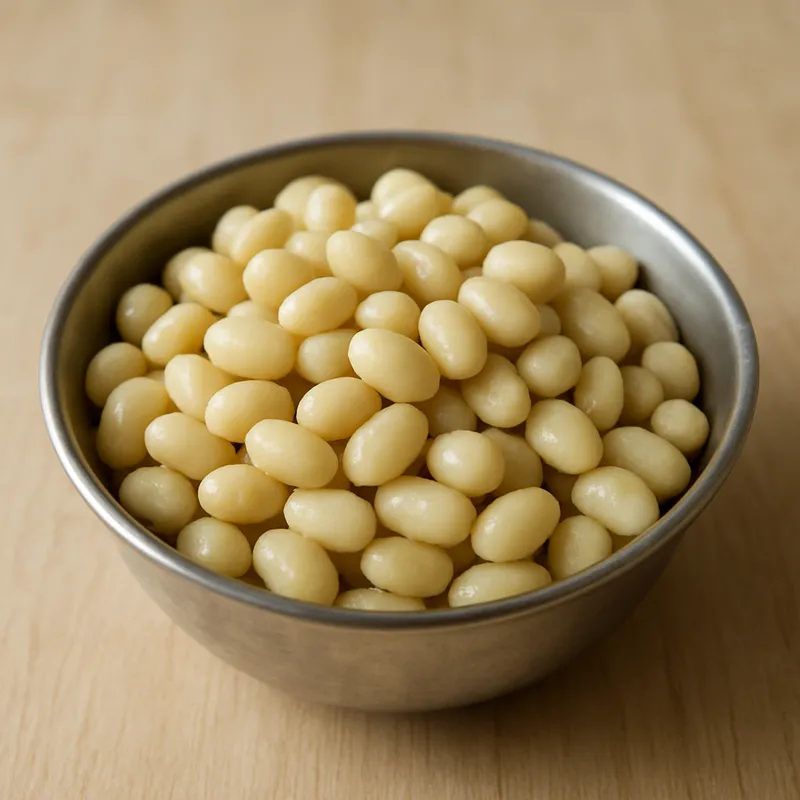
| Soybean (boiled white soybeans) | 16 | 1 | 1 small bowl (boiled) | 173 kcal | 17g | 6g |
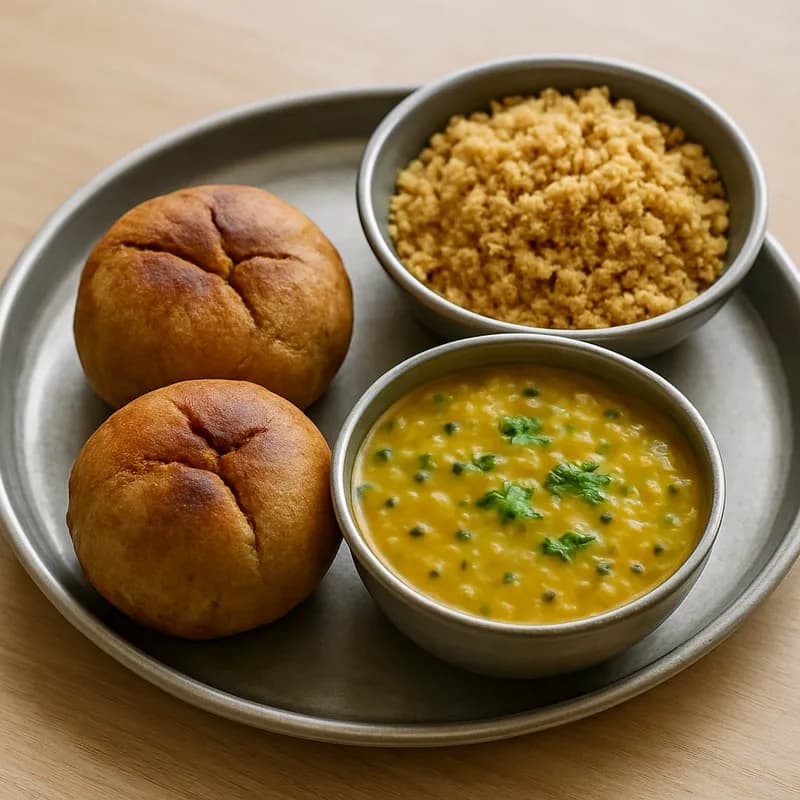
| Dal Baati Churma | 65 | 39 | 2 baati with dal | 450 kcal | 12g | 6g |
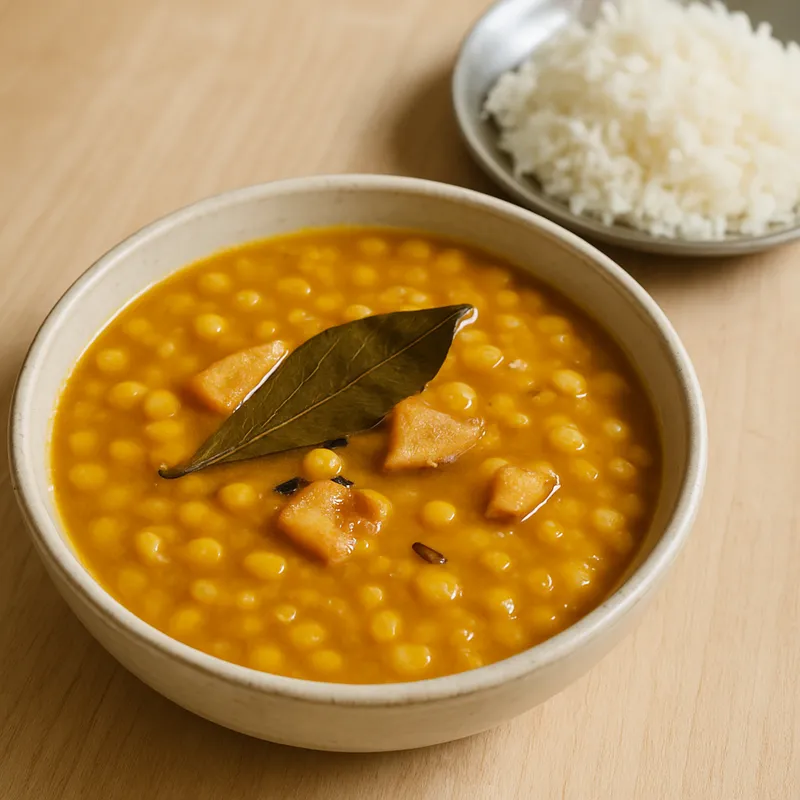
| Cholar Dal | 40 | 11 | 1 bowl | 220 kcal | 10g | 6g |
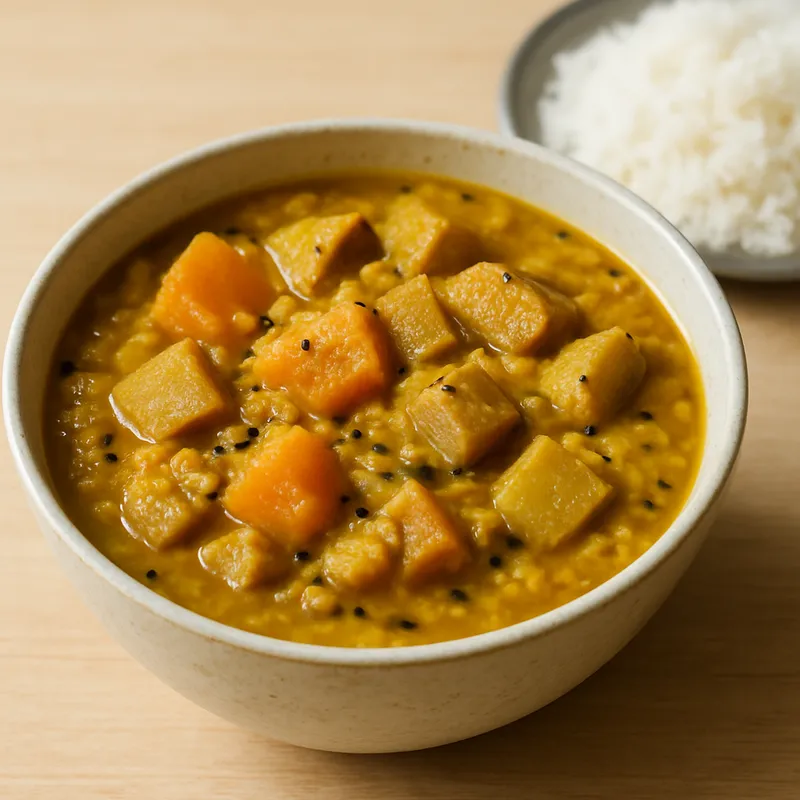
| Dalma | 40 | 10 | 1 bowl | 200 kcal | 10g | 6g |
| Paruppu Usili | 30 | 5 | 1 small bowl | 160 kcal | 9g | 6g |
| Bajre ki Khichdi | 54 | 18 | 1 bowl | 250 kcal | 9g | 6g |
| Dahi Bara Aloo Dum | 60 | 26 | 1 plate (2 bara + aloo dum) | 380 kcal | 12g | 6g |
| Palakura Pappu | 28 | 3 | 1 bowl | 150 kcal | 9g | 6g |
| Pav Bhaji | 70 | 39 | 1 plate (2 pav with bhaji) | 400 kcal | 10g | 6g |
| Bisi Bele Bath | 60 | 30 | 1 plate (about 1.5 cups) | 330 kcal | 10g | 6g |
| Sattu Paratha | 54 | 21 | 1 paratha | 280 kcal | 10g | 6g |
GL and nutrition are per serving. How these values are sourced
Looking for every option? See the complete list of low-GI Indian foods.
Explore each food
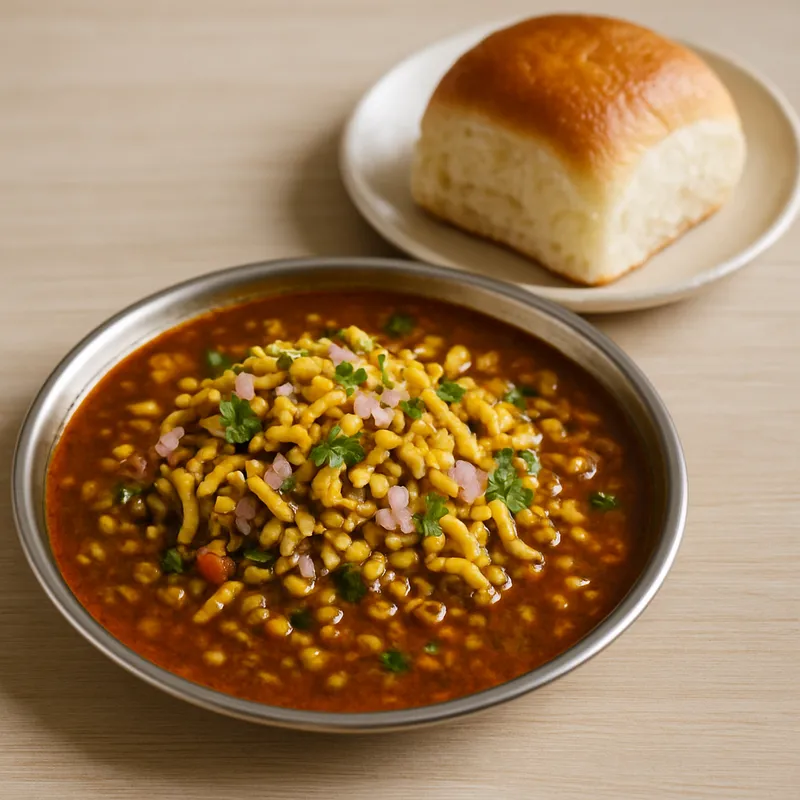 GI 60· Medium
Misal Pav
मिसल पाव · మిసల్ పావ్
A spicy Maharashtrian curry of sprouted moth beans (usal) topped with farsan and served with pav. The sprouts are low-GI and protein-rich, but the pav adds refined-flour carbs.
 GI 55· Low
Rajma Chawal
राजमा चावल · రాజ్మా అన్నం
Kidney bean curry served over steamed rice. The rajma's low GI and high fiber partially offsets the white rice's high GI.
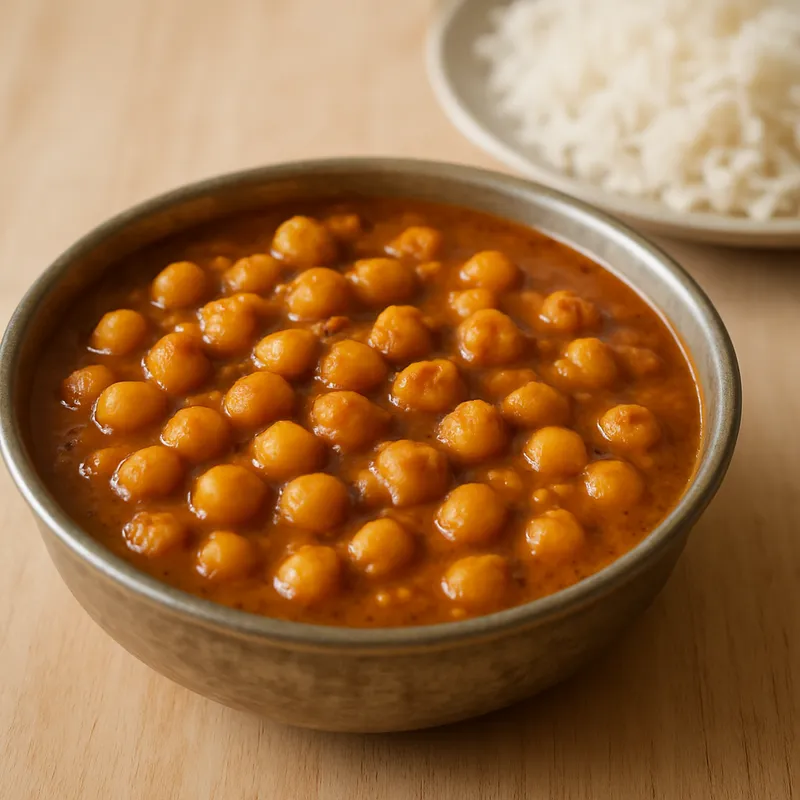 GI 36· Low
Chana Masala
चना मसाला · చనా మసాలా
Chickpeas simmered in a spiced onion-tomato gravy. Low GI thanks to the slow-digesting chickpeas rich in fiber and protein.
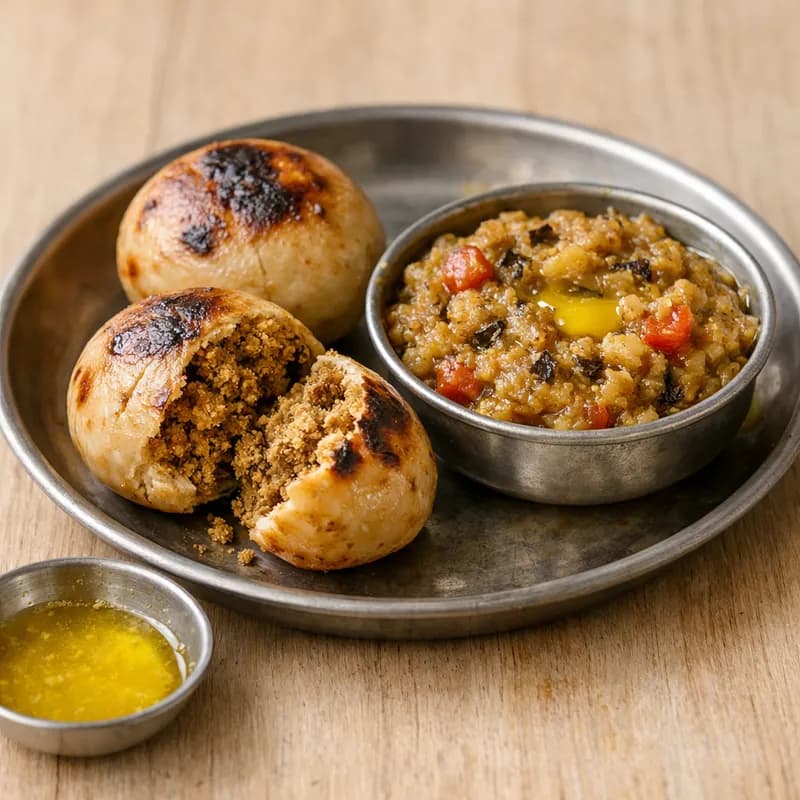 GI 58· Medium
Litti Chokha
लिट्टी चोखा · లిట్టి చోఖా
Bihar's signature dish: balls of whole-wheat dough stuffed with spiced sattu (roasted gram flour), baked or roasted on coals and dipped in ghee, served with chokha, a smoky mash of roasted brinjal, tomato and potato. The sattu filling adds protein and fiber.
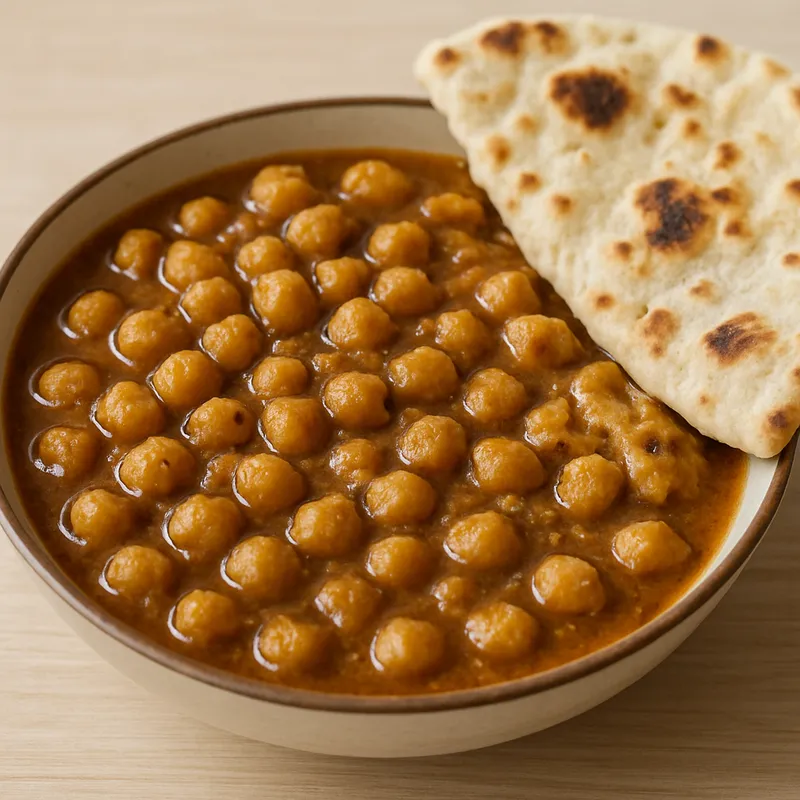 GI 33· Low
Chole (Chickpeas)
छोले · చోళాలు / సెనగలు
Whole chickpeas cooked in spiced gravy. A Punjab-origin dish now popular nationwide. High in protein and fiber.
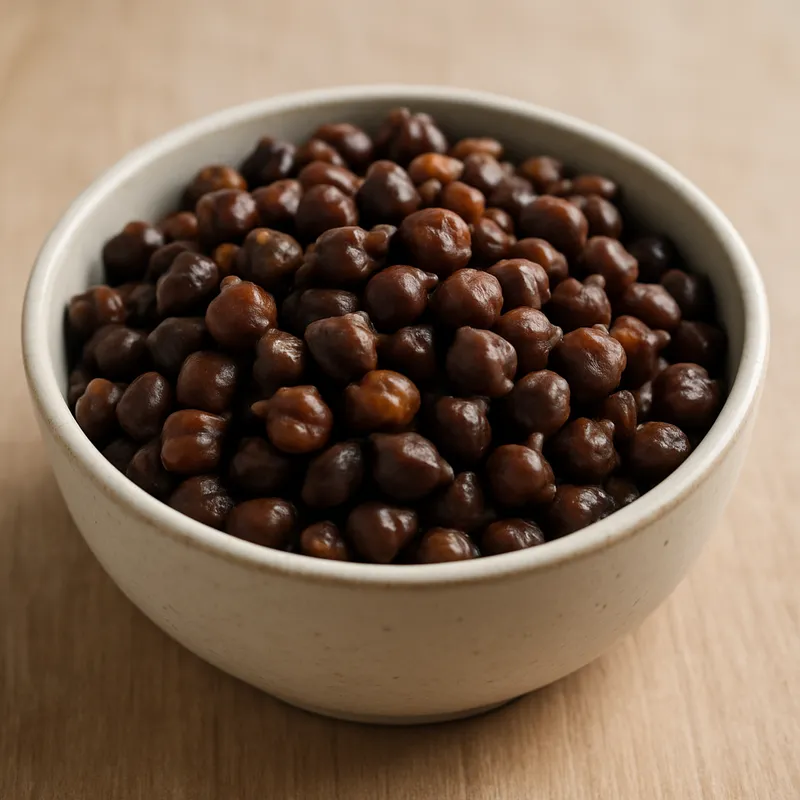 GI 28· Low
Kala Chana (Black Chickpeas, boiled)
काला चना · నల్ల శనగలు
Whole brown-black chickpeas, boiled. A protein- and fiber-rich legume with a low glycemic index, popular across India as a salad base, curry, or snack.
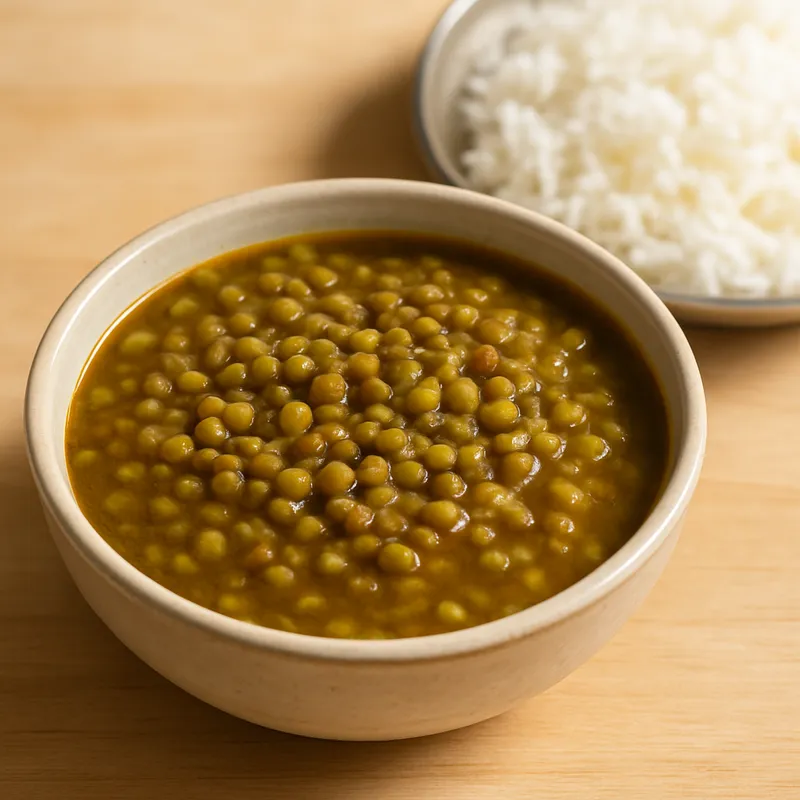 GI 30· Low
Whole Green Moong (Sabut Moong, cooked)
साबुत मूंग · పెసలు
Whole green gram cooked with skin intact. One of the lowest-GI and most easily digested legumes in India, used in dals, salads, and khichdi.
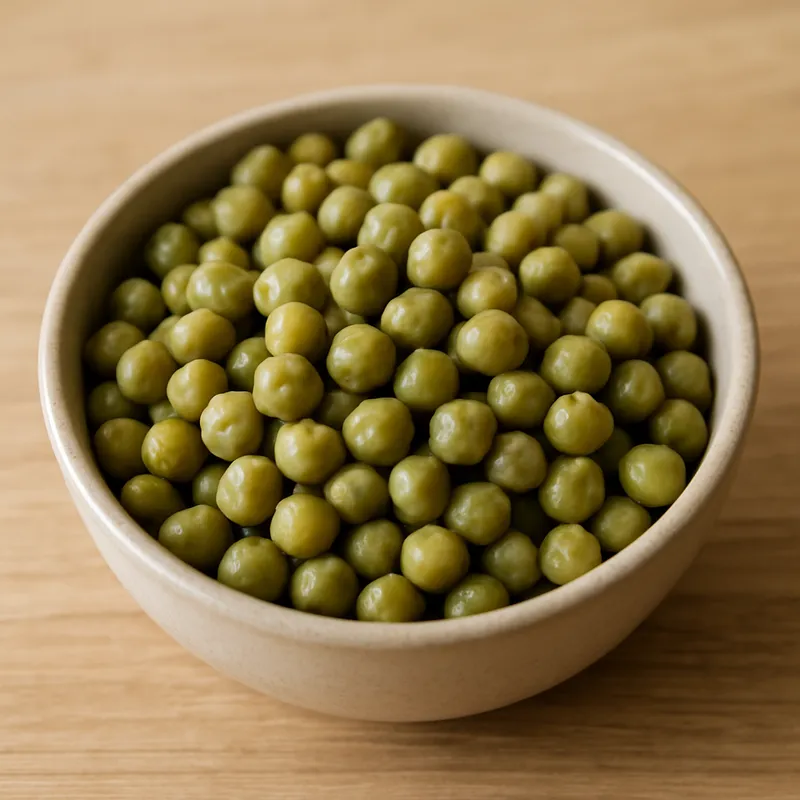 GI 22· Low
Dried Green Peas (Vatana, boiled)
सूखे हरे मटर · ఎండు బటాణీలు
Dried whole green peas (vatana), boiled as the base for ghugni and ragda. A low-GI pulse high in fiber and plant protein, popular in Bengali and Maharashtrian street food.
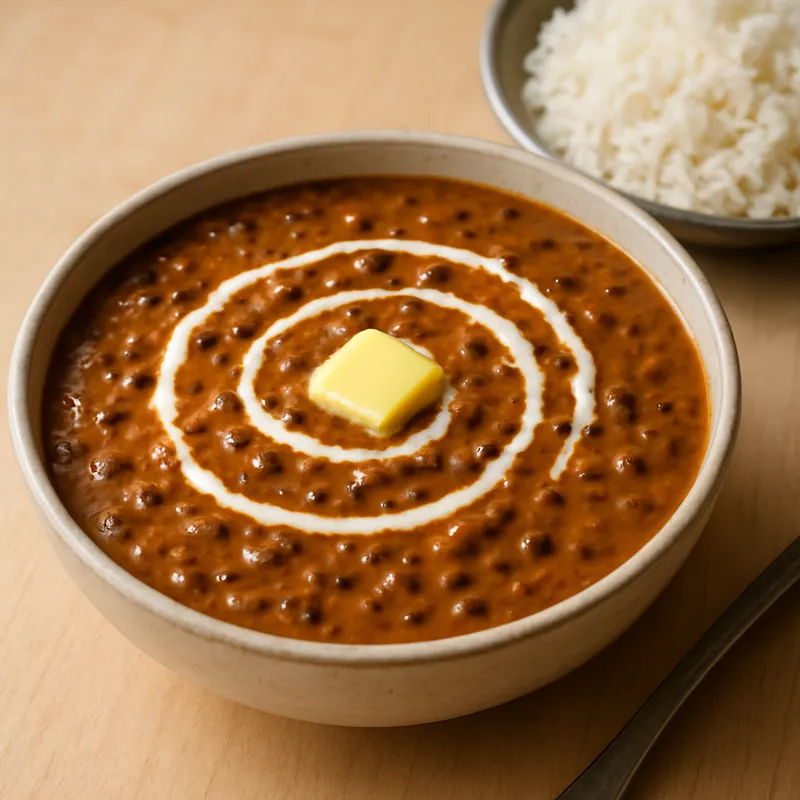 GI 38· Low
Dal Makhani
दाल मखनी · దాల్ మఖనీ
Creamy slow-cooked black lentils and kidney beans simmered with butter and cream. Low GI from high fiber and protein in the legumes.
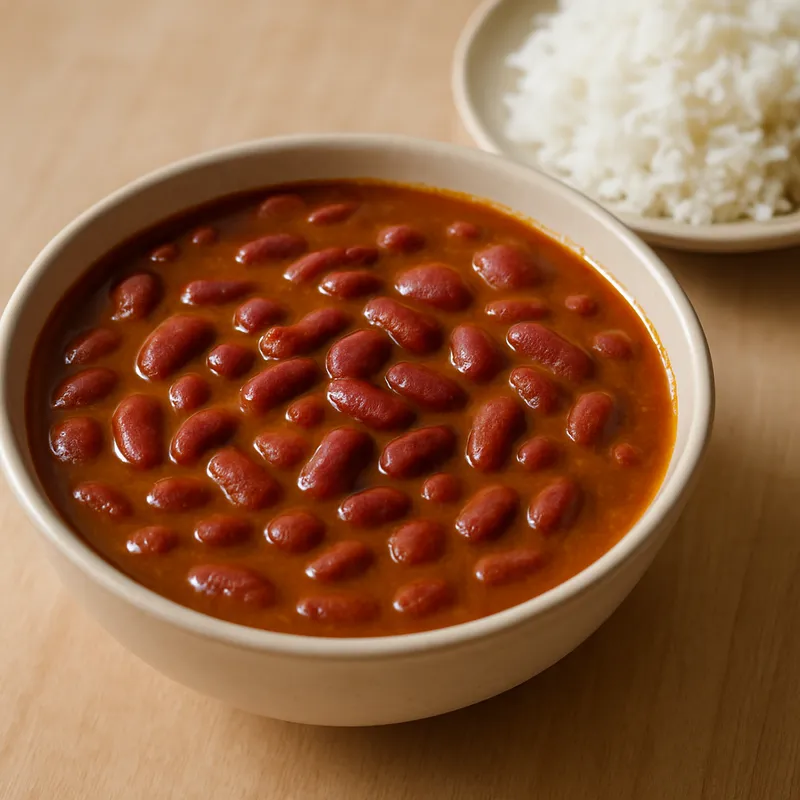 GI 28· Low
Rajma (Kidney Beans)
राजमा · రాజ్మా
Red kidney beans, a North Indian staple especially in Punjabi cuisine. Excellent protein source with low GI.
 GI 35· Low
Moth Beans (Matki, sprouted and cooked)
मटकी · మత్తి బీన్స్
Small brown moth beans (matki / Turkish gram), usually sprouted then lightly cooked. A drought-hardy legume with a low GI and high fiber, common in Maharashtrian usal and Rajasthani dishes.
 GI 25· Low
Horse Gram (Kulthi / Ulavalu, cooked)
कुलथी · ఉలవలు
A hard, reddish-brown legume cooked into curries and rasam. Horse gram has a very low glycemic index and is prized in traditional Indian medicine for weight management and metabolic health.
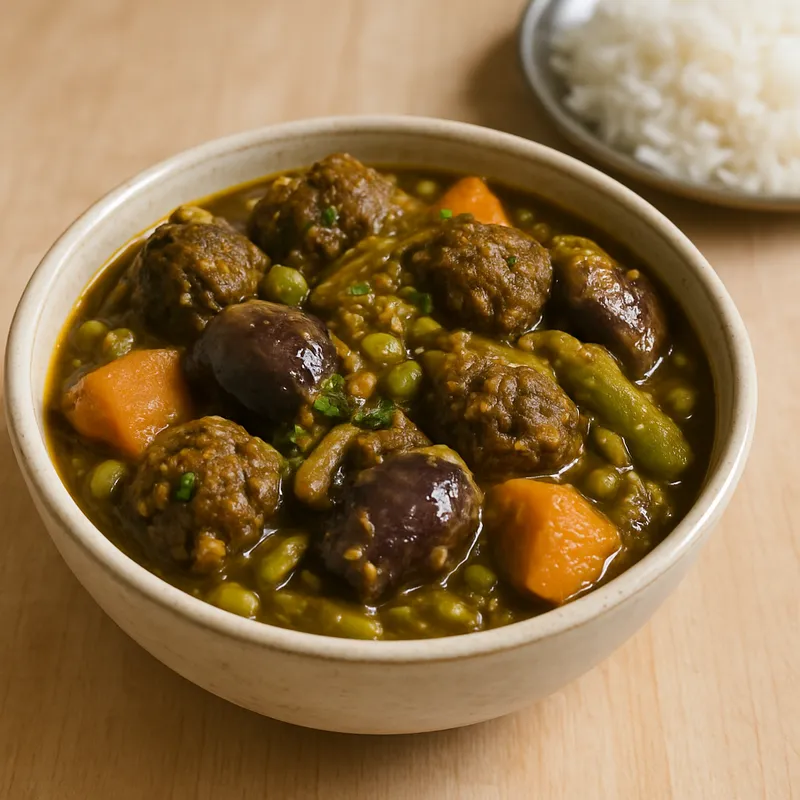 GI 45· Low
Undhiyu
उंधियू · ఉంధియు
A Gujarati winter mixed-vegetable casserole of surti beans, yam, brinjal and methi muthia. Packed with fibrous vegetables, it has a low GI despite its richness.
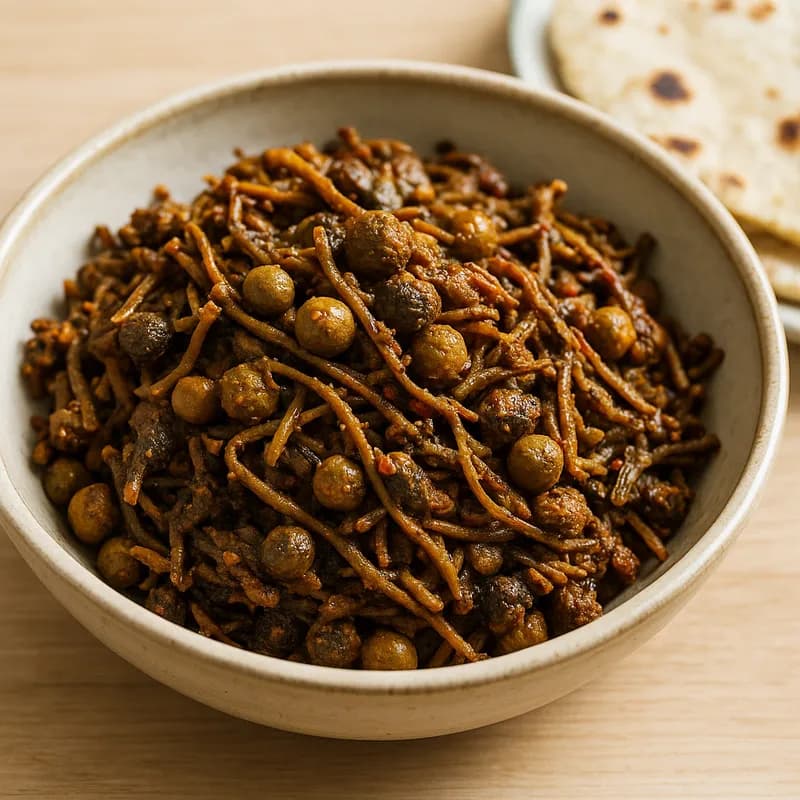 GI 30· Low
Ker Sangri
केर सांगरी · కేర్ సాంగ్రి
An iconic Rajasthani dry dish of desert berries (ker) and beans (sangri) cooked with spices and yogurt. Extremely high in fiber with a very low glycemic impact.
 GI 35· Low
Ghugni
घुगनी · ఘుగ్ని
A spiced curry of dried yellow or white peas, the favourite street breakfast and snack of Odisha and Bengal, usually topped with onion and served with puri or on its own. The whole peas keep it high in fiber and low GI.
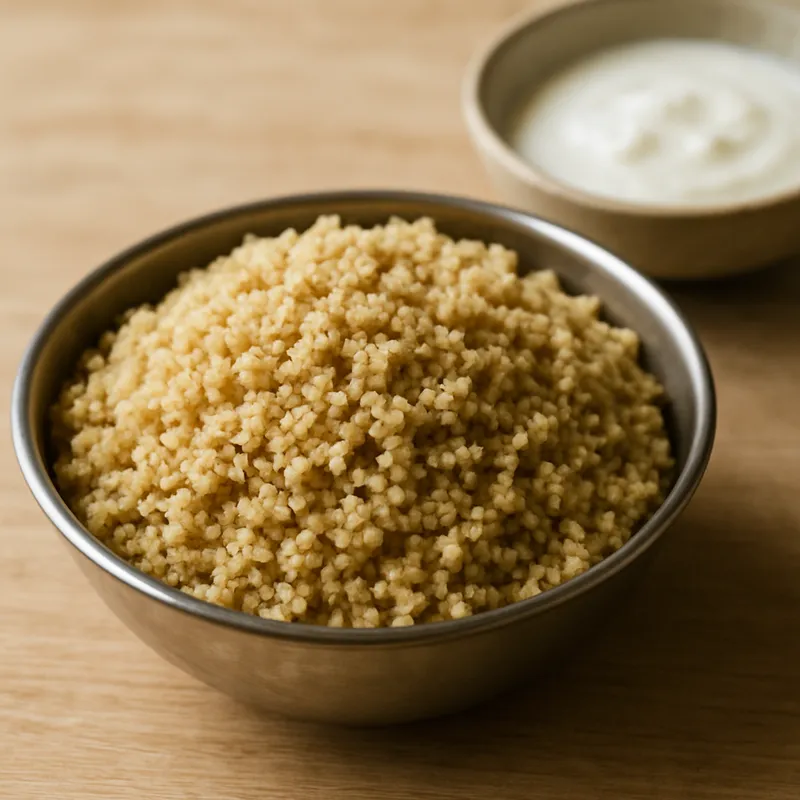 GI 44· Low
Foxtail Millet
कांगनी · కొర్రలు
A traditional Indian millet making a comeback. Excellent low-GI alternative to rice with higher protein and mineral content.
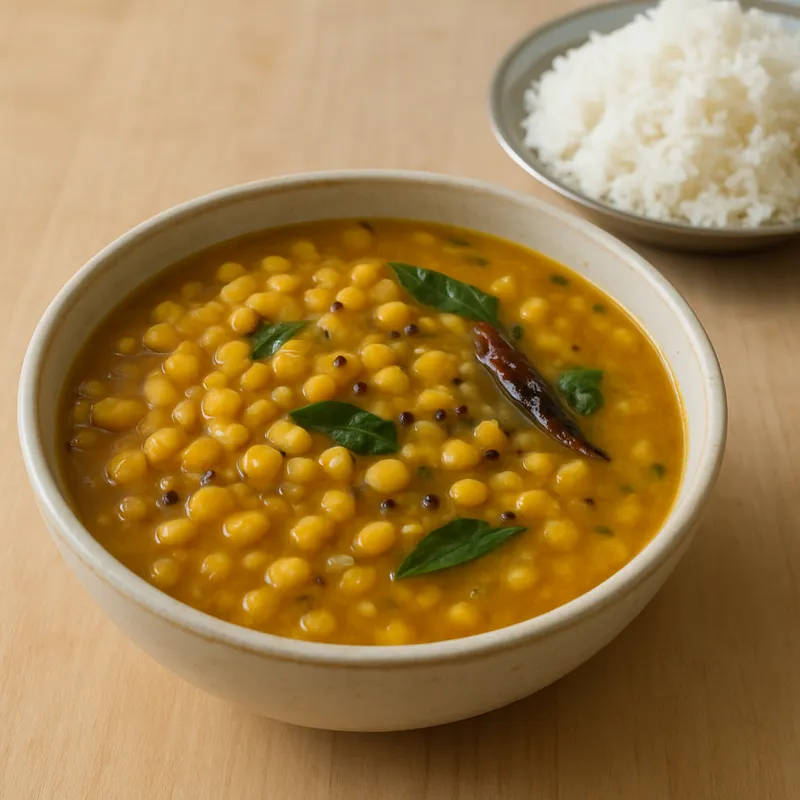 GI 8· Low
Chana Dal
चना दाल · శనగపప్పు
Split Bengal gram, one of the lowest GI foods available. Excellent source of protein and complex carbohydrates.
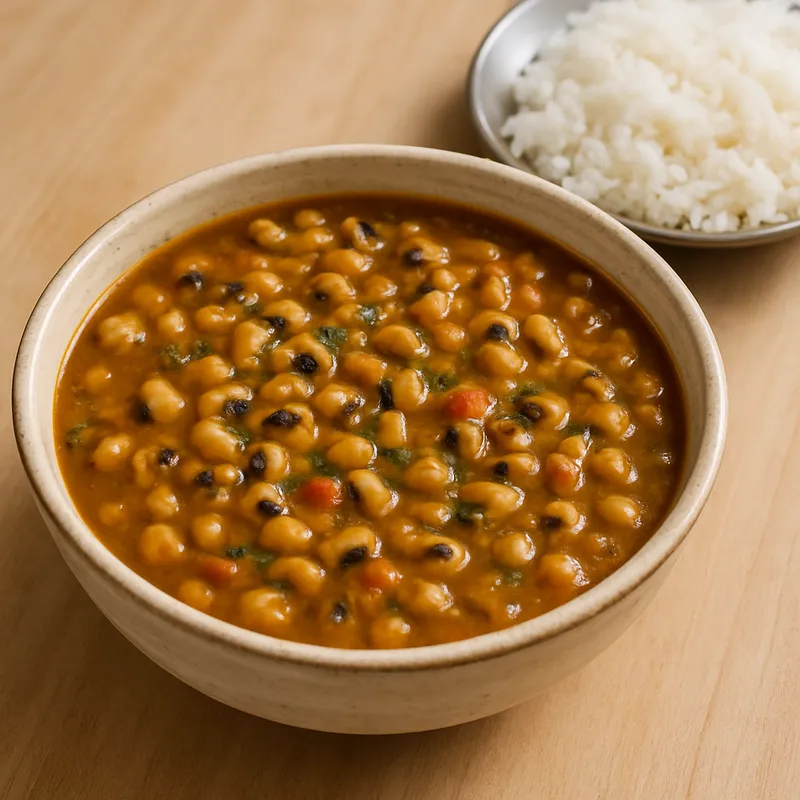 GI 33· Low
Black-Eyed Peas (Lobia)
लोबिया · అలసందలు / బొబ్బర్లు
Versatile legume used in curries, salads, and sundal. Good protein and fiber with low GI. Popular across India.
 GI 28· Low
Barley (Jau, Cooked)
जौ · బార్లీ
Pearl barley is a fiber-rich whole grain valued for its beta-glucan content, which slows digestion. One of the lowest-GI grains, often used in soups, khichdi and porridge.
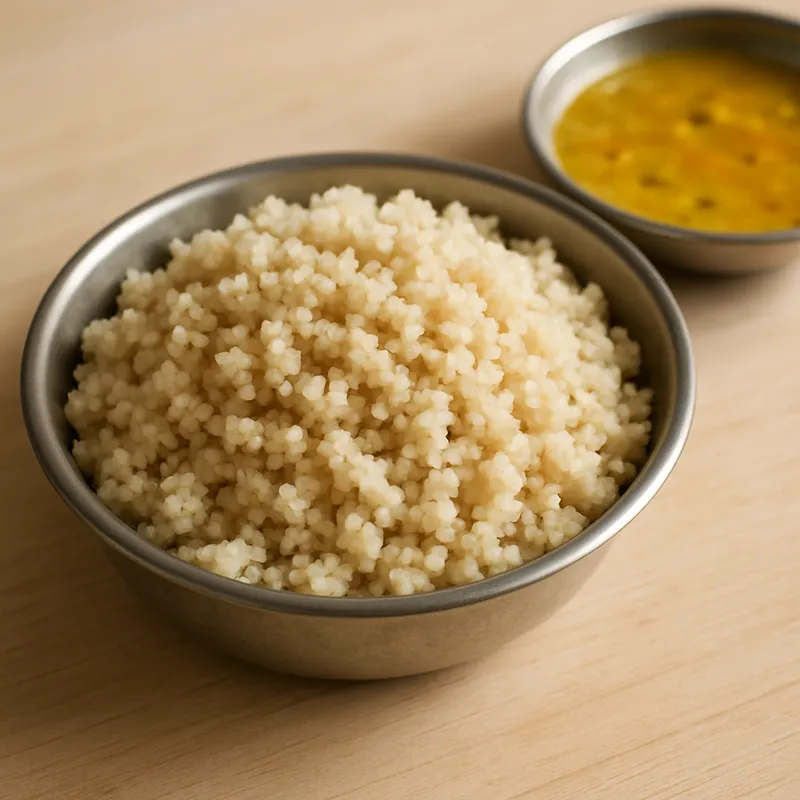 GI 50· Low
Barnyard Millet (Sanwa / Samvat / Udalu, Cooked)
सांवा · ఊదలు
A fast-cooking millet often eaten during fasting as a rice replacement. Among the lowest-GI millets, it is high in fiber and low in calories.
 GI 16· Low
Soybean (boiled white soybeans)
सोयाबीन · సోయాబీన్
Boiled white soybeans, one of the highest-protein and lowest-GI legumes available. Rich in complete protein and isoflavones, with very little impact on blood sugar.
 GI 65· Medium
Dal Baati Churma
दाल बाटी चूरमा · దాల్ బాటీ చూర్మా
Rajasthan's signature plate: baked wheat baati served with dal and sweet ghee-laden churma. Wholesome but very calorie- and ghee-dense, with a high glycemic load per full serving.
 GI 40· Low
Cholar Dal
छोलार दाल · చోలార్ దాల్
A mildly sweet Bengali preparation of split Bengal gram (chana dal) tempered with coconut, cumin and bay leaf. Chana dal is one of the lowest-GI dals.
 GI 40· Low
Dalma
डालमा · దాల్మా
A wholesome Odia dish of toor dal cooked together with vegetables like pumpkin, raw banana and yam, tempered with cumin and panch phoron. Dal and vegetables make it low-GI and filling.
Showing 24 of 31. Every food is in the table above.
Browse by food group
Common questions
Which Indian vegetables are high in fiber?
Per typical serving, green peas (4g), French beans (3.4g), cluster beans / gawar (3.2g), drumstick (3.2g), okra (3g), brinjal (3g) and carrot (2.8g) are the highest-fiber vegetables. Starchy vegetables like sweet potato, arbi and suran also have about 4g but a higher GI. Vegetables have less fiber per serving than dals, which is why few appear in the list above.
Which South Indian foods are high in fiber?
Whole green moong (8g fiber per serving), horse gram / ulavalu (7g), foxtail millet (6.7g), paruppu usili (6g), ragi (5.5g) and pesarattu (5g) are among the highest-fiber South Indian foods — and all are low GI.
Which Indian foods are highest in fiber?
Whole dals and legumes (rajma, chana, soybean), millets (ragi, jowar, bajra), whole-grain rotis, and many vegetables and fruits (guava, green peas, beans) are among the highest-fiber Indian foods, all of which help slow blood-sugar absorption.
Does fiber help control blood sugar?
Yes — soluble fiber slows the digestion and absorption of carbohydrates, which blunts the rise in blood sugar after a meal. High-fiber foods generally have a lower glycemic load and keep you full for longer.
How much fiber should I eat in a day?
Most guidelines suggest around 25–30g of fiber per day for adults, but increase it gradually and drink enough water. Building meals around dals, vegetables, whole grains and fruit makes this target easy to reach.
Sources
- Atkinson FS, Brand-Miller JC, Foster-Powell K, Buyken AE, Goletzke J. International tables of glycemic index and glycemic load values 2021: a systematic review. American Journal of Clinical Nutrition, 2021; 114(5): 1625–1632.
- University of Sydney, Glycemic Index Research Service — GI Database (glycemicindex.com).
- Longvah T, Ananthan R, Bhaskarachary K, Venkaiah K. Indian Food Composition Tables 2017. National Institute of Nutrition (ICMR), Hyderabad.
- ICMR–National Institute of Nutrition. Dietary Guidelines for Indians, 2024.
- ISO 26642:2010. Food products — Determination of the glycaemic index (GI) and recommendation for food classification.
Many Indian dishes have never been clinically tested, so some values are estimates — each food page shows whether its GI was measured or estimated. See our methodology.
This guide is for general educational purposes only and is not medical advice. Glycemic index values are approximate and individual blood sugar responses vary. Please consult your doctor or a registered dietitian before making changes to your diet — see our full disclaimer.