Indian Foods That Don't Spike Blood Sugar
Some Indian foods barely move your blood sugar at all. These are the lowest-GI foods in our database (GI 40 and under), drawn from every category — dals, vegetables, fruits, grains and dairy. They release glucose so slowly that they're ideal anchors for a blood-sugar-friendly plate.
Updated · ranked by glycemic index, lowest first · How we source our data
Short answer
The Indian foods least likely to spike blood sugar are non-starchy vegetables (methi GI 5, spinach 6, cabbage 10, okra, gourds and beans), dals and legumes (chana dal 8, rajma 28, kala chana 28), and curd, paneer, eggs, fish and chicken, which contain little or no carbohydrate. Make these the bulk of your plate and keep rice, rotis and sweets to smaller portions.
Make these the largest part of your plate, and treat higher-GI foods like white rice or sweets as small extras rather than the main event.
At a glance: GI, GL and nutrition compared
| Food | GI | GL | Serving | Calories | Protein | Fiber |
|---|---|---|---|---|---|---|
| Methi (Fenugreek Leaves) | 5 | 0 | 1 bunch (cooked) | 25 kcal | 2.3g | 2.5g |
| Mint Chutney (Pudina) | 5 | 0 | 2 tablespoons | 10 kcal | 0.5g | 0.5g |
| Keema (Minced Meat) | 5 | 1 | 1 medium bowl | 280 kcal | 22g | 2g |
| Fish Fry | 5 | 0 | 2 pieces | 240 kcal | 28g | 0g |
| Spinach (Palak) | 6 | 0 | 1 large bowl (cooked) | 23 kcal | 2.9g | 2.2g |
| Chana Dal | 8 | 1 | 1 medium bowl (cooked) | 130 kcal | 9g | 6g |
| Roasted Chana | 10 | 2 | 1 small handful (30g) | 110 kcal | 6g | 5g |
| Paneer | 10 | 0 | 4-5 cubes | 260 kcal | 18g | 0g |
| Coconut (Fresh) | 10 | 1 | 1 small piece of fresh coconut | 175 kcal | 1.7g | 4.5g |
| Onion | 10 | 1 | 1 medium onion | 40 kcal | 1.1g | 1.7g |
| Drumstick (Moringa) | 10 | 0 | 2-3 drumstick pieces (in sambar) | 37 kcal | 2.1g | 3.2g |
| Cabbage (Patta Gobi) | 10 | 0 | 1 medium bowl (cooked) | 25 kcal | 1.3g | 2.5g |
| Coconut Chutney | 10 | 0 | 2 tablespoons | 55 kcal | 0.8g | 1.5g |
| Pickle (Achar) | 10 | 0 | 1 teaspoon | 30 kcal | 0.2g | 0.3g |
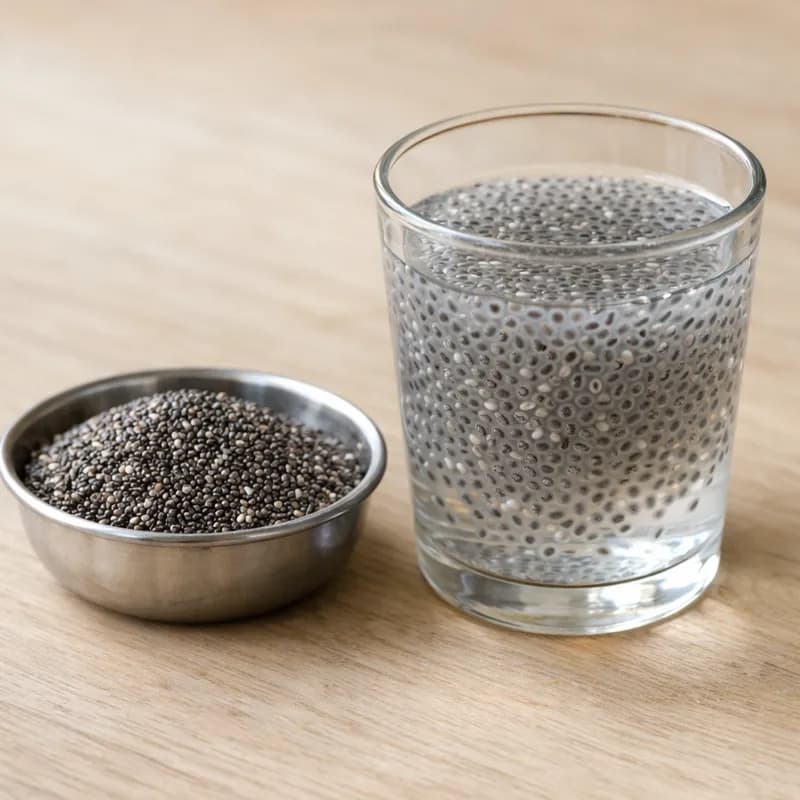
| Chia Seeds | 10 | 0 | 1 tablespoon | 58 kcal | 2g | 4g |
| Flaxseeds (Alsi) | 10 | 0 | 1 tablespoon | 53 kcal | 1.8g | 2.7g |
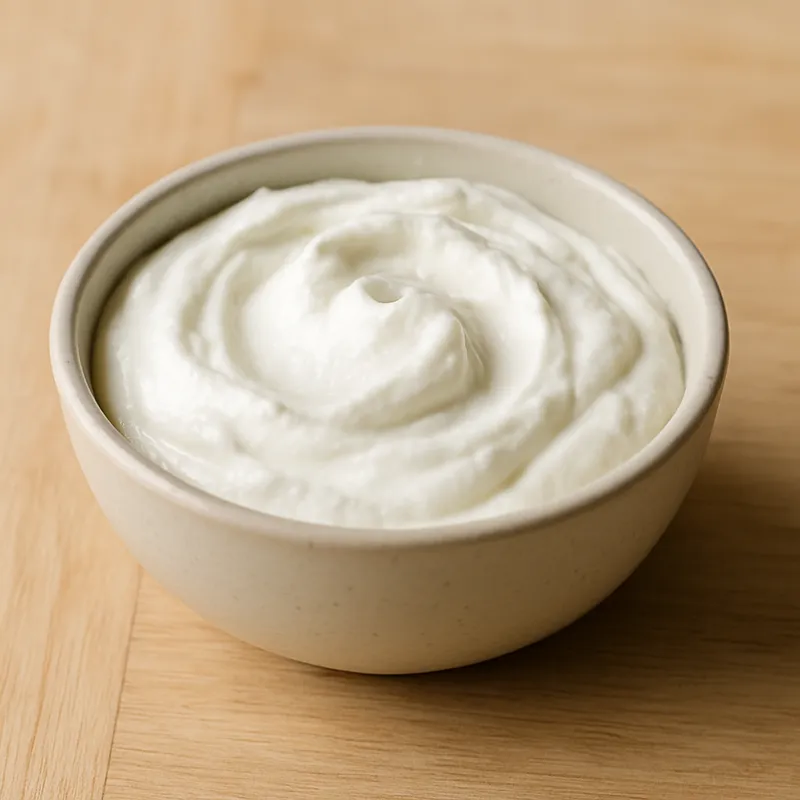
| Greek Yogurt (Unsweetened) | 11 | 1 | 1 small bowl | 90 kcal | 15g | 0g |
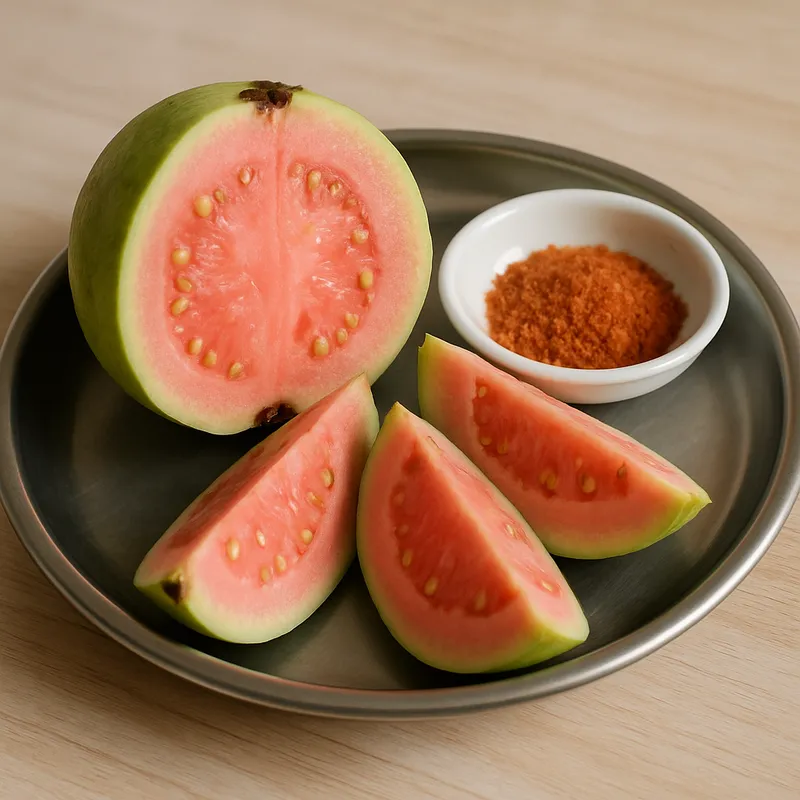
| Guava (Amrood) | 12 | 2 | 1 medium guava | 68 kcal | 2.5g | 5g |
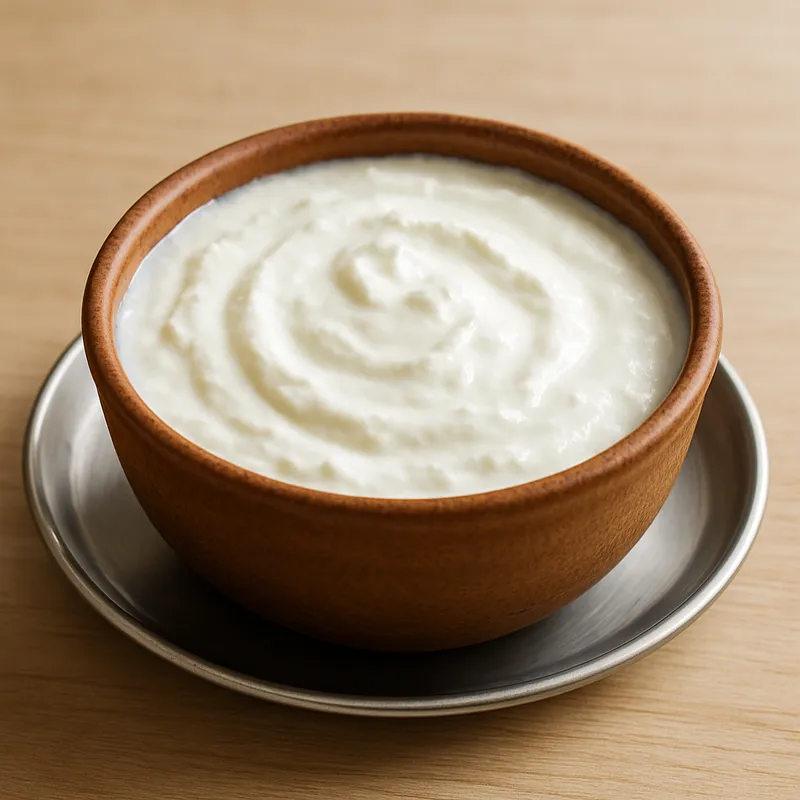
| Curd / Yogurt (Dahi) | 14 | 1 | 1 medium bowl | 90 kcal | 5g | 0g |
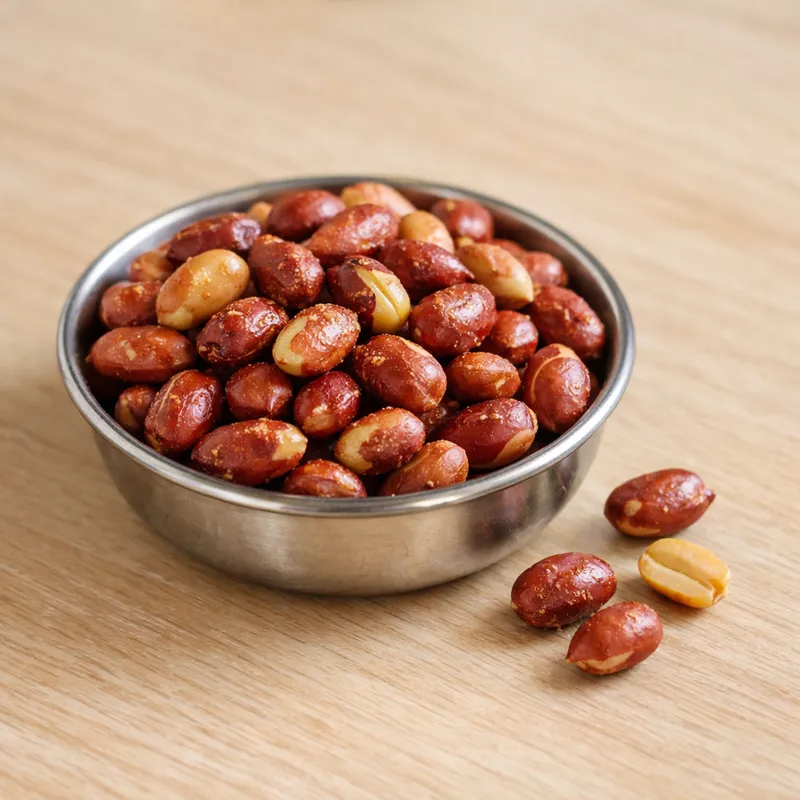
| Roasted Peanuts (Moongphali) | 14 | 1 | 1 small handful (30 g) | 170 kcal | 7.5g | 2.5g |
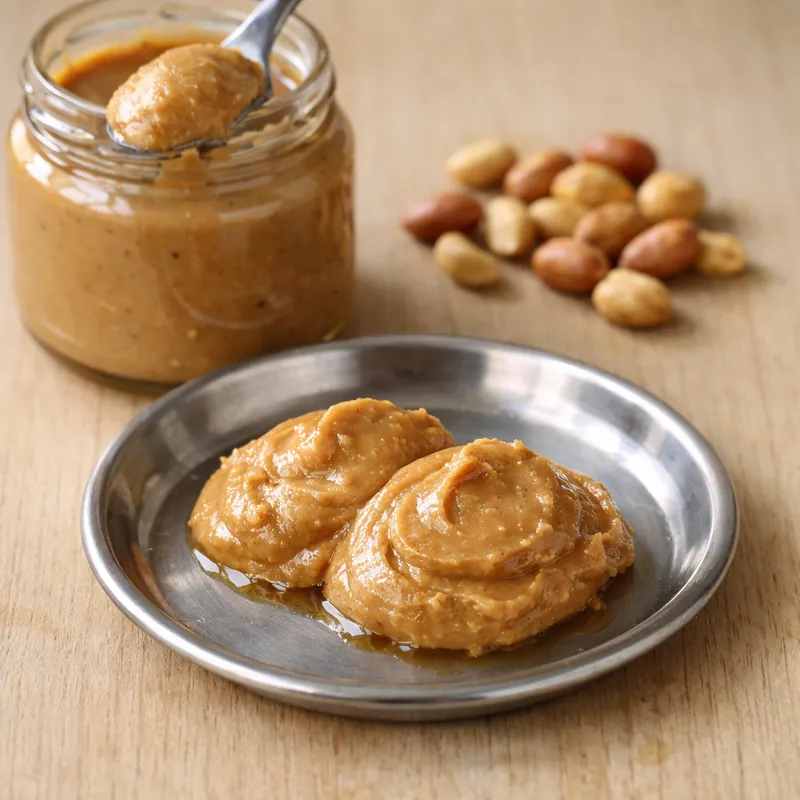
| Peanut Butter | 14 | 1 | 2 tablespoons | 190 kcal | 8g | 2g |
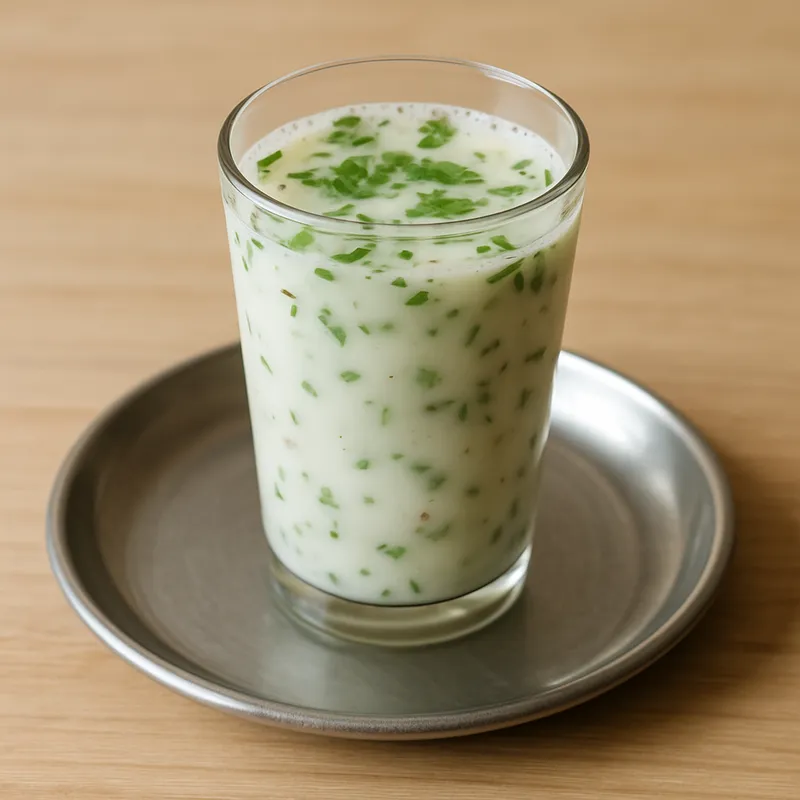
| Buttermilk (Chaas) | 15 | 1 | 1 glass | 40 kcal | 2.5g | 0g |
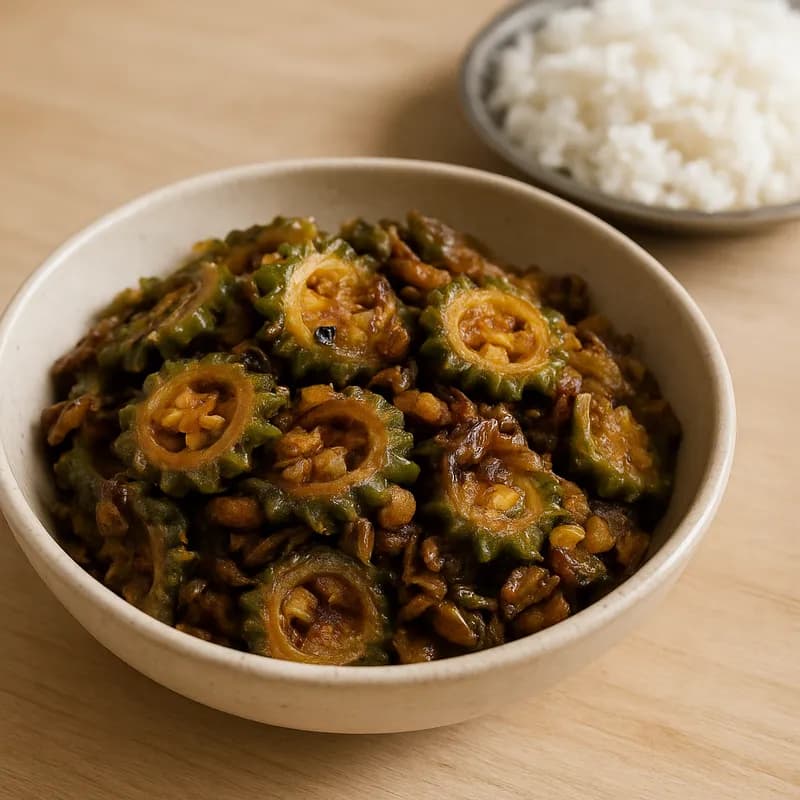
| Bitter Gourd (Karela) | 15 | 1 | 1 medium bowl (cooked) | 20 kcal | 1g | 2.5g |
| Tomato | 15 | 1 | 1 medium tomato | 18 kcal | 0.9g | 1.2g |
| Cauliflower (Gobi) | 15 | 1 | 1 medium bowl (cooked) | 25 kcal | 2g | 2g |
| Brinjal (Baingan) | 15 | 1 | 1 medium bowl (cooked) | 25 kcal | 1g | 3g |
| Bottle Gourd (Lauki) | 15 | 0 | 1 medium bowl (cooked) | 15 kcal | 0.6g | 0.5g |
| Ridge Gourd (Turai) | 15 | 0 | 1 medium bowl (cooked) | 18 kcal | 1.2g | 1.5g |
| Cucumber (Kheera) | 15 | 0 | 1 medium cucumber | 16 kcal | 0.7g | 0.5g |
| Capsicum (Shimla Mirch) | 15 | 1 | 1 medium capsicum | 30 kcal | 1g | 2g |
| Ivy Gourd (Tindora) | 15 | 0 | 1 medium bowl (cooked) | 20 kcal | 1.2g | 1.5g |
| Radish (Mooli) | 15 | 0 | 1 medium radish | 16 kcal | 0.7g | 1.6g |
| Snake Gourd (Chichinda) | 15 | 0 | 1 medium bowl (cooked) | 18 kcal | 0.6g | 1g |
| Rasam | 15 | 1 | 1 large bowl | 45 kcal | 2g | 1.5g |
| Baingan Bharta | 15 | 1 | 1 medium bowl | 90 kcal | 2g | 4g |
| Chicken 65 | 15 | 1 | 1 plate | 320 kcal | 28g | 1g |
| Amla (Indian Gooseberry) | 15 | 2 | 2 medium fruits | 44 kcal | 0.9g | 4.3g |
| Mushroom (Button) | 15 | 1 | 1 cup sliced | 22 kcal | 3.1g | 1g |
| Broccoli | 15 | 1 | 1 cup florets | 34 kcal | 2.8g | 2.6g |
| French Beans (Green Beans) | 15 | 1 | 1 cup chopped | 31 kcal | 1.8g | 3.4g |
| Cluster Beans (Gawar / Guar) | 15 | 2 | 1 cup chopped | 48 kcal | 3.3g | 3.2g |
| Saga Bhaja | 15 | 0 | 1 small bowl | 70 kcal | 3g | 3g |
| Almonds (Badam) | 15 | 0 | 10 almonds | 82 kcal | 3g | 1.7g |
| Walnuts (Akhrot) | 15 | 0 | 4 to 5 halves | 98 kcal | 2.3g | 1g |
| Haak (Kashmiri Collard Greens) | 15 | 1 | 1 bowl | 90 kcal | 3g | 4g |
| Soybean (boiled white soybeans) | 16 | 1 | 1 small bowl (boiled) | 173 kcal | 17g | 6g |
| Palak Paneer | 20 | 2 | 1 medium bowl | 220 kcal | 14g | 3g |
| Okra (Bhindi) | 20 | 1 | 1 medium bowl (cooked) | 35 kcal | 2g | 3g |
| Gongura Pachadi | 20 | 1 | 2 tablespoons | 55 kcal | 1g | 2g |
| Soya Chunks (Meal Maker) | 20 | 1 | 30 g dry (about 1 cup cooked) | 103 kcal | 15.6g | 4g |
| Dried Green Peas (Vatana, boiled) | 22 | 5 | 1 small bowl (boiled) | 118 kcal | 8g | 8g |
| Peanut Chutney | 23 | 1 | 2 tablespoons | 90 kcal | 4g | 2g |
| Dark Chocolate (70%) | 23 | 2 | 2 small squares (20 g) | 120 kcal | 1.5g | 2g |
| Sprout Chaat | 25 | 3 | 1 medium bowl | 100 kcal | 7g | 5g |
| Jamun (Java Plum) | 25 | 3 | 10-12 jamuns | 60 kcal | 0.7g | 1g |
| Kadhi | 25 | 3 | 1 medium bowl | 120 kcal | 5g | 2g |
| Horse Gram (Kulthi / Ulavalu, cooked) | 25 | 6 | 1 small bowl (cooked) | 132 kcal | 9g | 7g |
| Bhindi Masala | 25 | 2 | 1 medium bowl | 150 kcal | 3g | 4g |
| Processed Cheese | 25 | 1 | 1 slice | 80 kcal | 5g | 0g |
| Shorshe Ilish | 25 | 2 | 1 bowl (2 pieces) | 280 kcal | 23g | 1g |
| Cashews (Kaju) | 25 | 1 | 10 cashews | 83 kcal | 2.7g | 0.5g |
| Masoor Dal (Red Lentils) | 26 | 4 | 1 medium bowl (cooked) | 115 kcal | 8g | 4g |
| Vatha Kuzhambu | 26 | 4 | 1 small bowl | 95 kcal | 2g | 2g |
| Rajma (Kidney Beans) | 28 | 5 | 1 medium bowl (cooked) | 140 kcal | 9g | 7g |
| Barley (Jau, Cooked) | 28 | 12 | 1 cup (cooked) | 193 kcal | 3.5g | 6g |
| Kala Chana (Black Chickpeas, boiled) | 28 | 8 | 1 small bowl (boiled) | 164 kcal | 9g | 8g |
| Tomato Chutney | 28 | 1 | 2 tablespoons | 45 kcal | 1g | 1g |
| Macha Besara | 28 | 2 | 1 bowl (2 pieces) | 220 kcal | 24g | 1g |
| Palakura Pappu | 28 | 3 | 1 bowl | 150 kcal | 9g | 6g |
| Toor Dal (Arhar) | 29 | 4 | 1 medium bowl (cooked) | 120 kcal | 8g | 5g |
| Urad Dal (Black Gram) | 30 | 5 | 1 medium bowl (cooked) | 130 kcal | 9g | 5g |
| Dal Tadka | 30 | 5 | 1 medium bowl | 130 kcal | 7g | 4.5g |
| Whole Green Moong (Sabut Moong, cooked) | 30 | 6 | 1 small bowl (cooked) | 105 kcal | 7g | 8g |
| Idli Podi | 30 | 2 | 1 tablespoon | 65 kcal | 3g | 2g |
| Butter Chicken | 30 | 3 | 1 bowl | 420 kcal | 28g | 2g |
| Sarson ka Saag | 30 | 3 | 1 bowl | 150 kcal | 5g | 5g |
| Fish Moilee (Meen Moilee) | 30 | 2 | 1 bowl | 250 kcal | 22g | 1g |
| Dahi Baigana | 30 | 4 | 1 bowl | 110 kcal | 5g | 4g |
| Paruppu Usili | 30 | 5 | 1 small bowl | 160 kcal | 9g | 6g |
| Ker Sangri | 30 | 4 | 1 small bowl | 150 kcal | 5g | 7g |
| Dosakaya Pappu | 30 | 6 | 1 bowl | 150 kcal | 9g | 5g |
| Machha Jhola | 30 | 2 | 1 bowl (2 pieces) | 210 kcal | 22g | 1.5g |
| Pachi Pulusu | 30 | 3 | 1 bowl | 60 kcal | 1g | 2g |
| Buffalo Milk | 30 | 3 | 1 glass (200 ml) | 194 kcal | 7.5g | 0g |
| Sol Kadhi | 30 | 2 | 1 glass | 90 kcal | 1g | 1g |
| Yakhni (Kashmiri Mutton in Curd Gravy) | 30 | 2 | 1 bowl (2 pieces with gravy) | 330 kcal | 27g | 0.5g |
| Pork with Bamboo Shoot (Naga Style) | 30 | 2 | 1 bowl | 350 kcal | 26g | 3g |
| Moong Dal | 31 | 5 | 1 medium bowl (cooked) | 105 kcal | 7.5g | 4g |
| Milk (Full Fat) | 31 | 4 | 1 glass | 150 kcal | 8g | 0g |
| Toned Milk | 31 | 3 | 1 glass | 120 kcal | 7g | 0g |
| Paneer Butter Masala | 32 | 4 | 1 medium bowl | 320 kcal | 12g | 3g |
| Olan | 32 | 4 | 1 bowl | 130 kcal | 5g | 4g |
| Chole (Chickpeas) | 33 | 7 | 1 medium bowl | 160 kcal | 9g | 8g |
| Pear (Nashpati) | 33 | 4 | 1 medium pear | 85 kcal | 0.5g | 5g |
| Black-Eyed Peas (Lobia) | 33 | 6 | 1 medium bowl (cooked) | 130 kcal | 8g | 6g |
| Avial | 33 | 4 | 1 medium bowl | 190 kcal | 4g | 5g |
| Matar Paneer | 34 | 5 | 1 medium bowl | 270 kcal | 12g | 5g |
| Sambar | 35 | 4 | 1 large bowl | 100 kcal | 5g | 4g |
| Carrot (Gajar) | 35 | 2 | 1 medium carrot | 35 kcal | 0.8g | 2.8g |
| Coconut Water | 35 | 3 | 1 tender coconut (~300ml) | 55 kcal | 0.5g | 0g |
| Moth Beans (Matki, sprouted and cooked) | 35 | 7 | 1 small bowl (sprouted, cooked) | 117 kcal | 7g | 7g |
| Mixed Vegetable Curry | 35 | 5 | 1 medium bowl | 170 kcal | 4g | 5g |
| Thoran | 35 | 4 | 1 serving | 110 kcal | 3g | 4g |
| Shukto | 35 | 5 | 1 bowl | 140 kcal | 4g | 5g |
| Kootu | 35 | 7 | 1 bowl | 140 kcal | 7g | 5g |
| Zunka | 35 | 8 | 1 small bowl | 180 kcal | 8g | 5g |
| Ghugni | 35 | 7 | 1 bowl | 190 kcal | 9g | 7g |
| Besan Chilla | 35 | 6 | 2 medium chillas | 220 kcal | 11g | 5g |
| Sattu (Roasted Gram Flour) | 35 | 5 | 2 tablespoons in a glass of water | 120 kcal | 7g | 5g |
| Pork Vindaloo | 35 | 3 | 1 bowl | 380 kcal | 26g | 2g |
| Rogan Josh | 35 | 2 | 1 bowl (2 pieces with gravy) | 380 kcal | 28g | 1.5g |
| Noon Chai (Kashmiri Pink Tea) | 35 | 3 | 1 cup | 110 kcal | 5g | 0g |
| Masor Tenga (Assamese Sour Fish Curry) | 35 | 2 | 1 bowl (2 pieces with gravy) | 200 kcal | 22g | 2g |
| Khar (Assamese Raw Papaya Dal) | 35 | 5 | 1 bowl | 110 kcal | 5g | 4g |
| Apple | 36 | 5 | 1 medium apple | 78 kcal | 0.4g | 3.6g |
| Chana Masala | 36 | 9 | 1 medium bowl | 240 kcal | 11g | 9g |
| Makhana (Fox Nuts) | 37 | 9 | 1 bowl roasted (30 g) | 105 kcal | 3g | 1.5g |
| Pesarattu (Green Gram Dosa) | 38 | 7 | 1 large pesarattu | 140 kcal | 8g | 5g |
| Dal Makhani | 38 | 8 | 1 medium bowl | 290 kcal | 12g | 8g |
| Santula | 38 | 6 | 1 bowl | 120 kcal | 4g | 5g |
| Orange (Santra) | 40 | 4 | 1 medium orange | 70 kcal | 1.3g | 3.5g |
| Raw Banana (Plantain) | 40 | 8 | 1 medium raw banana (cooked) | 90 kcal | 1.3g | 2.5g |
| Mirchi ka Salan | 40 | 6 | 1 small bowl | 200 kcal | 6g | 4g |
| Cholar Dal | 40 | 11 | 1 bowl | 220 kcal | 10g | 6g |
| Dalma | 40 | 10 | 1 bowl | 200 kcal | 10g | 6g |
| Erissery | 40 | 7 | 1 bowl | 165 kcal | 6g | 5g |
| Goan Fish Curry (Xitt Kodi) | 40 | 3 | 1 bowl (2 pieces with gravy) | 260 kcal | 22g | 2.5g |
| Chicken Xacuti | 40 | 4 | 1 bowl (2 pieces with gravy) | 340 kcal | 27g | 3g |
| Nadru Yakhni (Lotus Stem in Curd) | 40 | 7 | 1 bowl | 180 kcal | 6g | 5g |
| Eromba (Manipuri Vegetable Mash) | 40 | 4 | 1 small bowl | 70 kcal | 3g | 3.5g |
| Chicken Curry | No carbs* | 0 | 1 medium bowl (2 pieces with gravy) | 250 kcal | 25g | 1g |
| Fish Curry | No carbs* | 0 | 1 medium bowl (1 piece with gravy) | 180 kcal | 22g | 0.5g |
| Egg Curry | No carbs* | 0 | 2 eggs with gravy | 220 kcal | 14g | 1g |
| Mutton Curry | No carbs* | 0 | 1 medium bowl (2 pieces with gravy) | 300 kcal | 26g | 0.5g |
| Tandoori Chicken | No carbs* | 0 | 2 pieces (leg and thigh) | 260 kcal | 30g | 0g |
| Prawn / Shrimp Curry | No carbs* | 0 | 1 medium bowl | 200 kcal | 24g | 0.5g |
| Ghee | No carbs* | 0 | 1 teaspoon | 90 kcal | 0g | 0g |
| Green Tea (Plain) | No carbs* | 0 | 1 cup (about 240ml) | 2 kcal | 0g | 0g |
| Butter (Table) | No carbs* | 0 | 1 teaspoon | 72 kcal | 0g | 0g |
| Boiled Egg | No carbs* | 0 | 1 large egg | 78 kcal | 6g | 0g |
| Chicken Tikka | No carbs* | 0 | 6 to 8 pieces | 250 kcal | 35g | 0g |
| Masala Omelette | No carbs* | 0 | 1 omelette (2 eggs) | 190 kcal | 13g | 0.8g |
| Egg Bhurji | No carbs* | 0 | 1 plate (2 eggs) | 200 kcal | 13g | 1g |
GL and nutrition are per serving. * No meaningful carbohydrate, so GI doesn't apply and the food has minimal direct effect on blood sugar. How these values are sourced
Looking for every option? See the complete list of low-GI Indian foods.
Explore each food
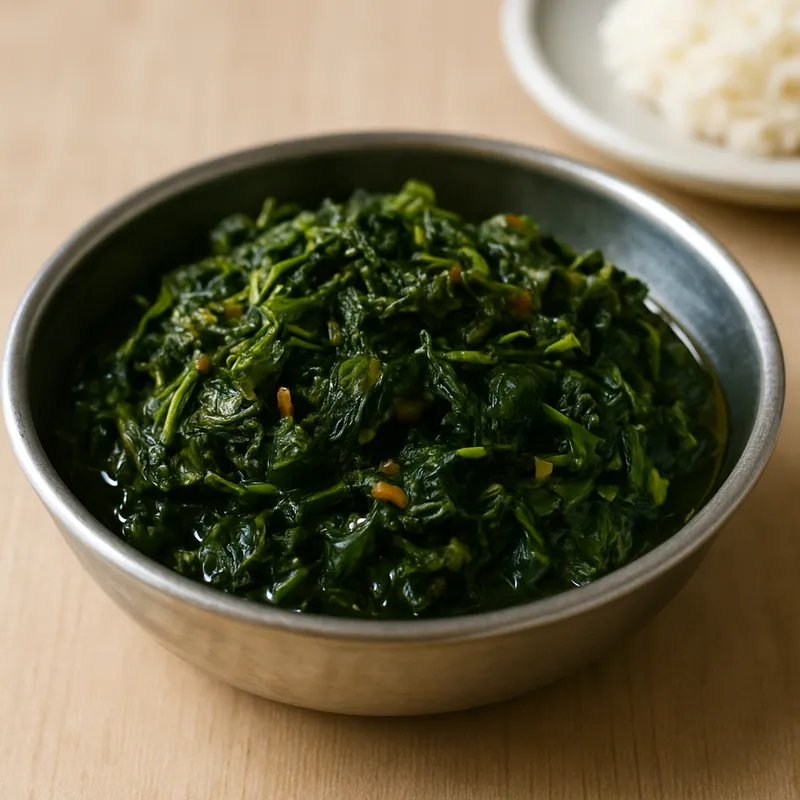 GI 5· Low
Methi (Fenugreek Leaves)
मेथी · మెంతికూర
Leafy green with proven blood sugar-lowering properties. Contains galactomannan fiber and 4-hydroxyisoleucine which improve insulin sensitivity.
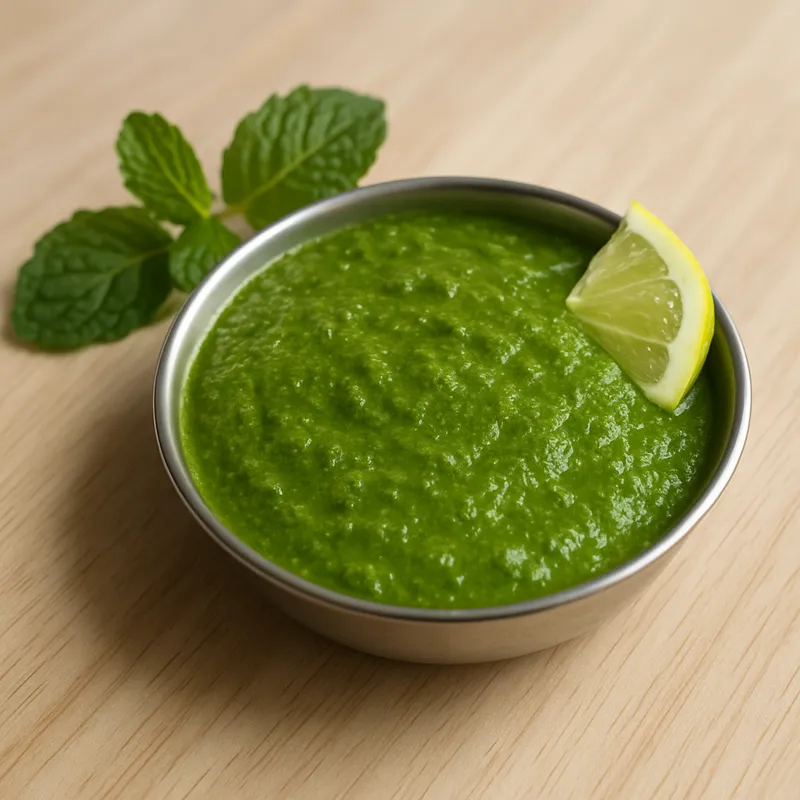 GI 5· Low
Mint Chutney (Pudina)
पुदीना चटनी · పుదీనా పచ్చడి
Fresh mint and coriander ground with green chilli and lemon. Zero GI accompaniment that adds flavor to any meal.
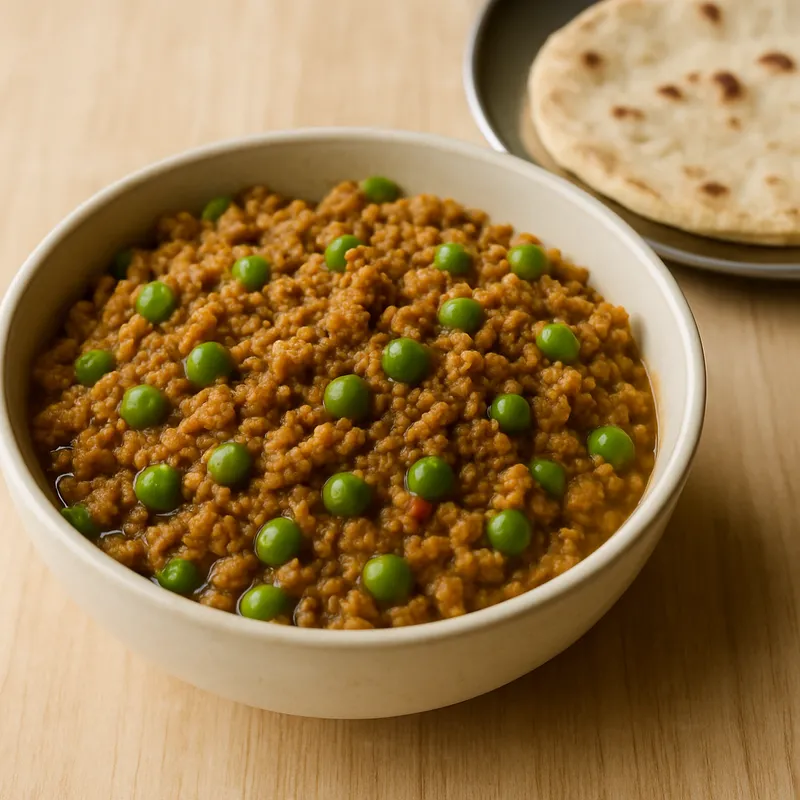 GI 5· Low
Keema (Minced Meat)
कीमा · కీమా
Spiced minced mutton or chicken with peas. High protein, very low GI from the meat. The peas add some carbs but also fiber.
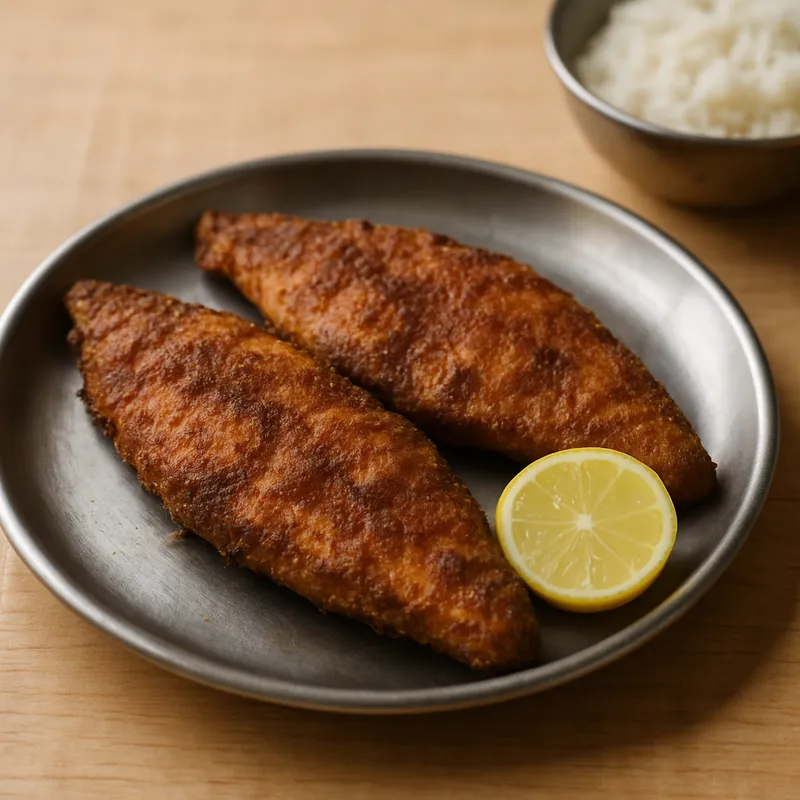 GI 5· Low
Fish Fry
फिश फ्राई · ఫిష్ ఫ్రై
Shallow-fried fish fillets or steaks marinated in spices, with a light coating. High in protein with very few carbs and a low glycemic impact.
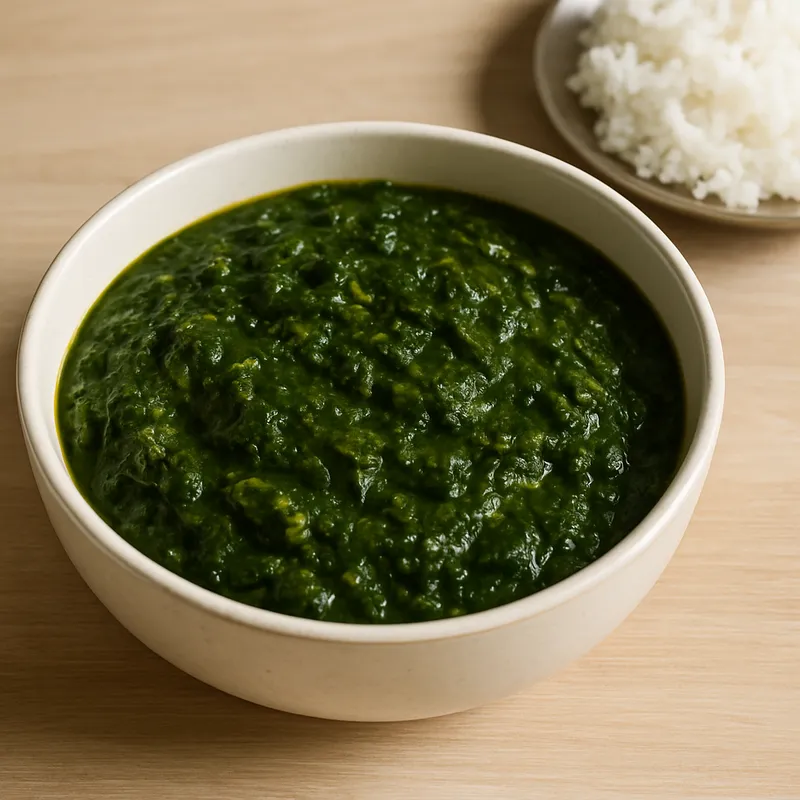 GI 6· Low
Spinach (Palak)
पालक · పాలకూర
Iron-rich leafy green used in palak paneer, dal palak, and many other dishes. Negligible GI and highly nutritious.
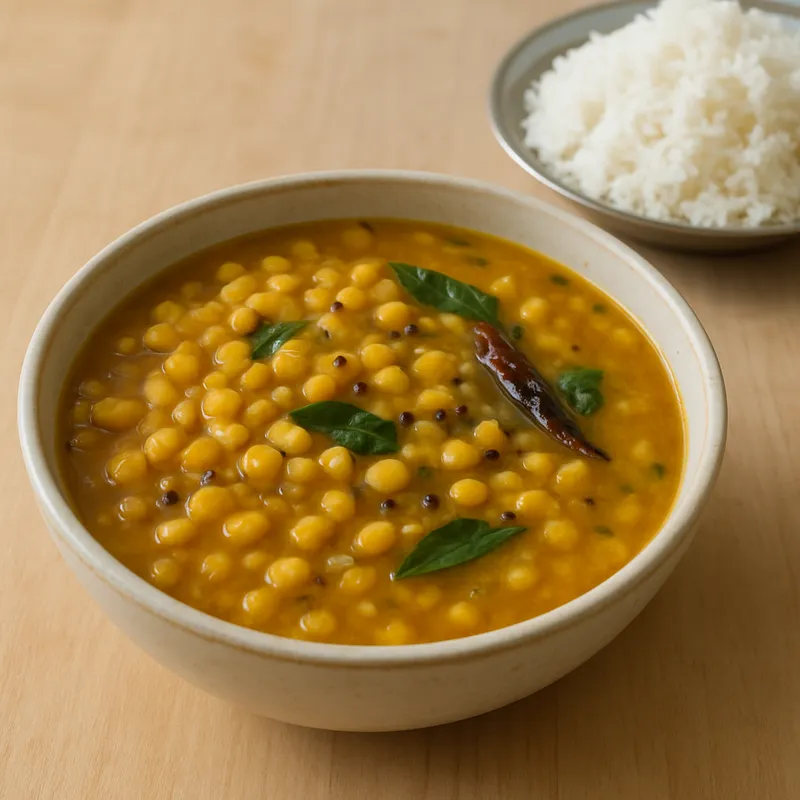 GI 8· Low
Chana Dal
चना दाल · శనగపప్పు
Split Bengal gram, one of the lowest GI foods available. Excellent source of protein and complex carbohydrates.
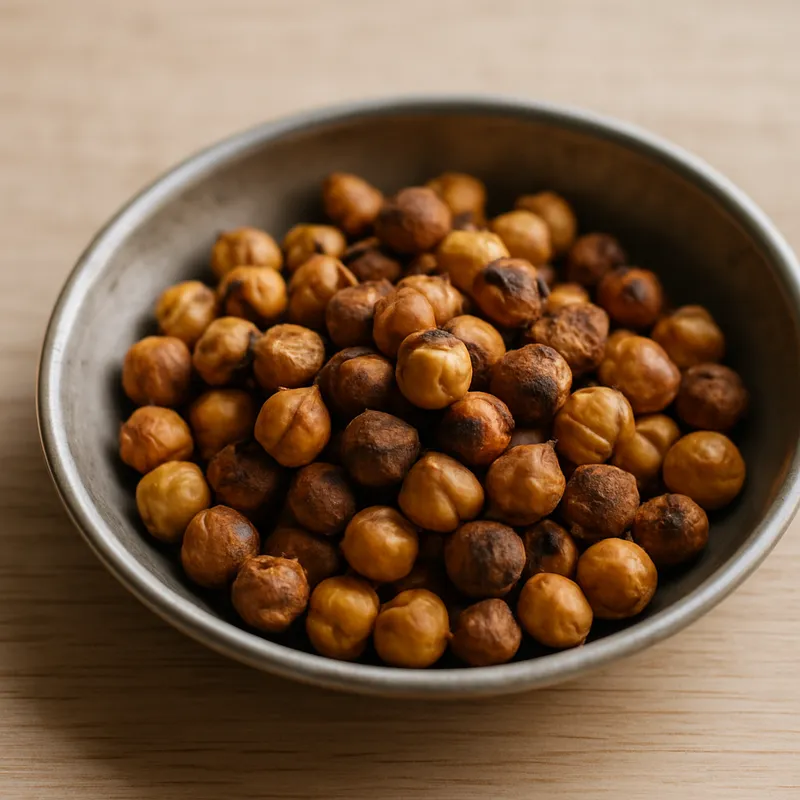 GI 10· Low
Roasted Chana
भुना चना · పుట్నాలు / వేరుశనగలు
Dry roasted chickpeas, a traditional Indian snack. Very low GI, high fiber, and high protein. Perfect diabetic snack.
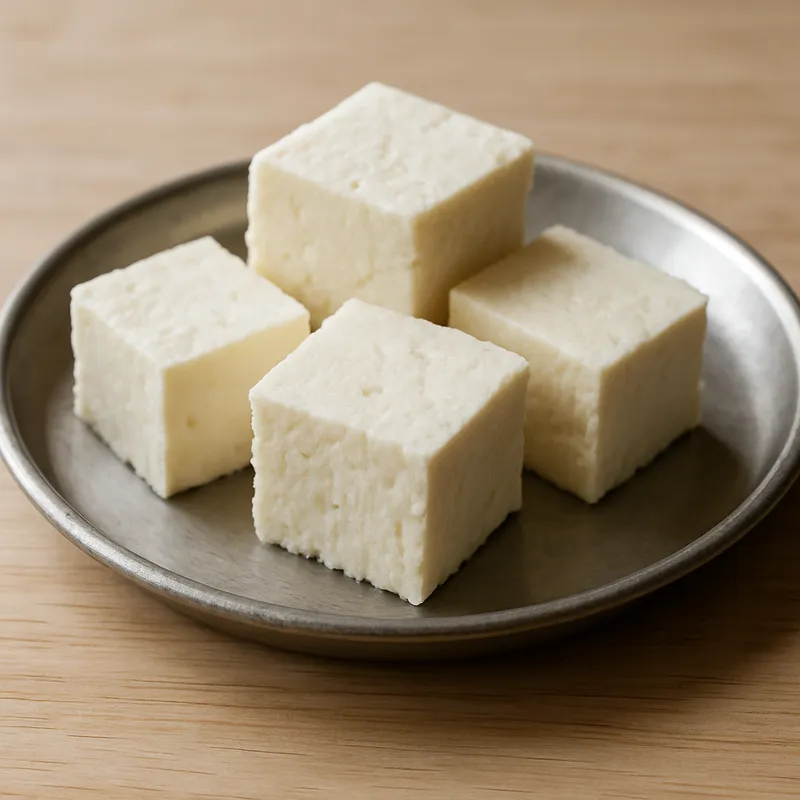 GI 10· Low
Paneer
पनीर · పనీర్
Indian cottage cheese. Very low GI, high protein. One of the best vegetarian protein sources for diabetics.
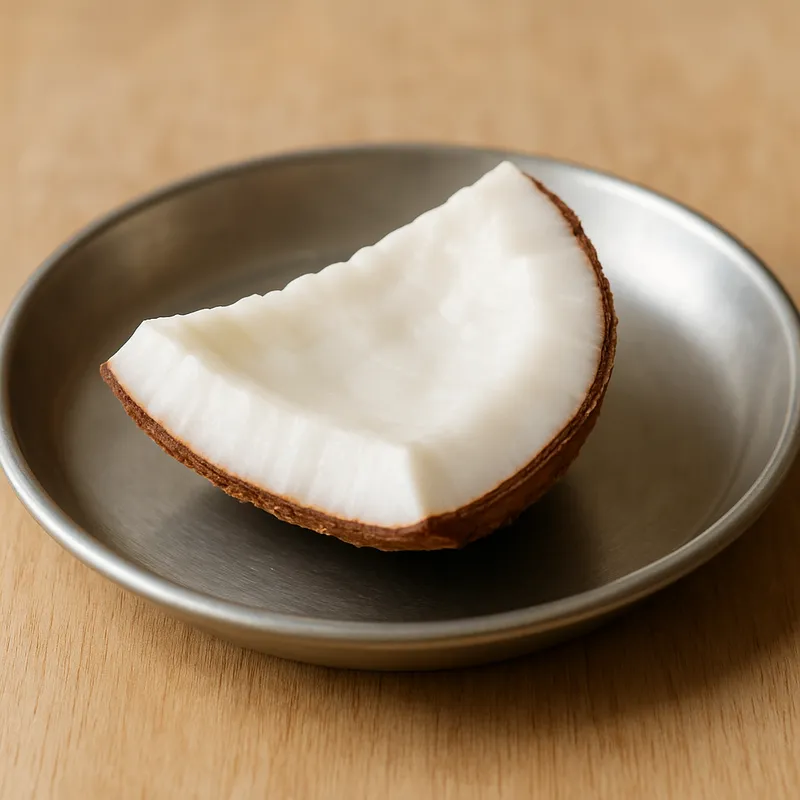 GI 10· Low
Coconut (Fresh)
नारियल · కొబ్బరి
Fresh coconut meat (malai). Very low GI due to high fat and fiber content with minimal carbohydrates.
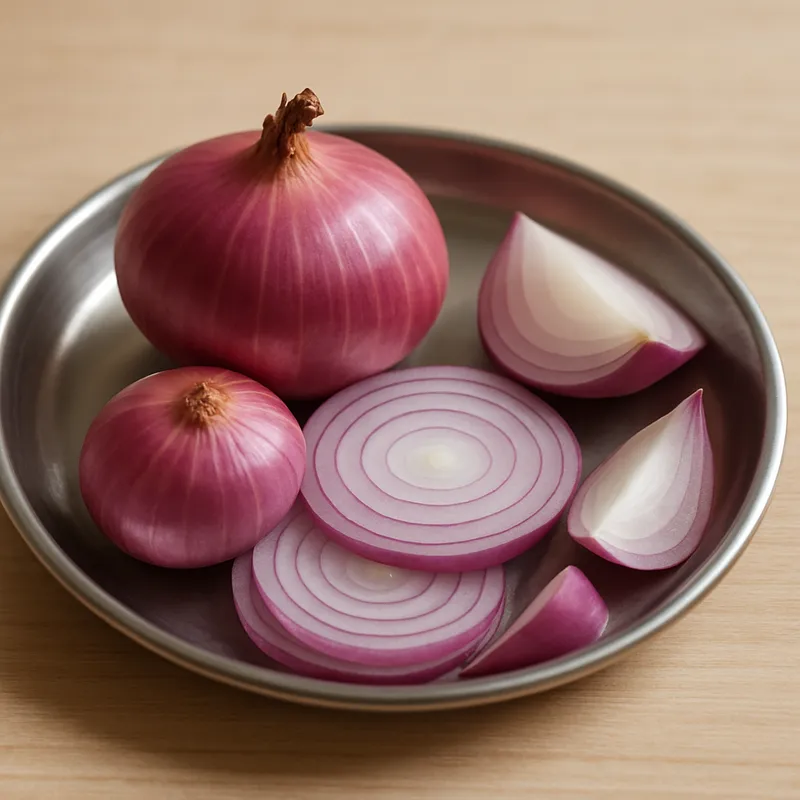 GI 10· Low
Onion
प्याज · ఉల్లిపాయ
Foundation of Indian cooking. Very low GI, contains quercetin and chromium which may aid blood sugar management.
 GI 10· Low
Drumstick (Moringa)
सहजन · మునగకాయ
Nutrient powerhouse used in sambar and curries. Moringa leaves and pods are both very low GI and packed with vitamins and minerals.
 GI 10· Low
Cabbage (Patta Gobi)
पत्ता गोभी · క్యాబేజి
Affordable, versatile vegetable used in sabzi, salads, and stir-fries. Very low GI with good fiber and vitamin C content.
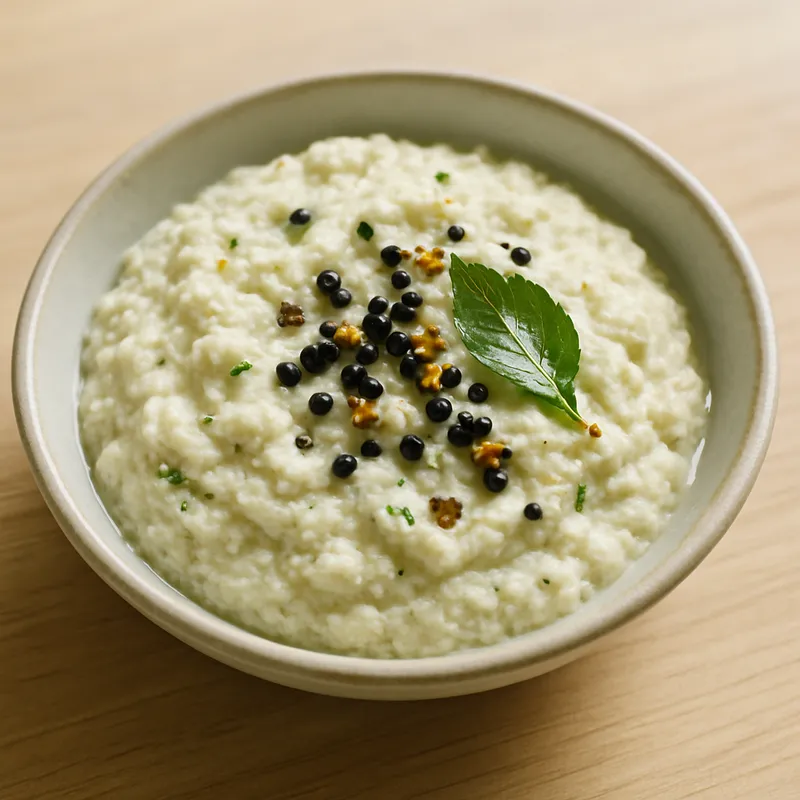 GI 10· Low
Coconut Chutney
नारियल चटनी · కొబ్బరి పచ్చడి
Fresh coconut ground with green chillies, ginger, and tempered with mustard seeds. Essential South Indian accompaniment. Very low GI.
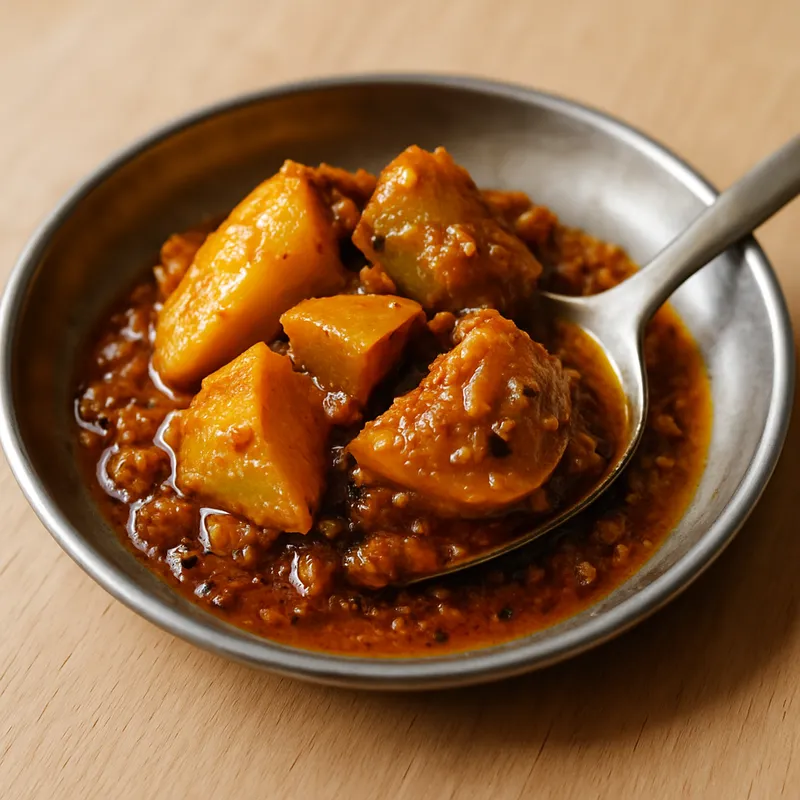 GI 10· Low
Pickle (Achar)
अचार · ఊరగాయ
Traditional Indian oil-based pickle (mango, lime, mixed). Virtually no glycemic impact due to tiny serving sizes and oil base.
 GI 10· Low
Chia Seeds
चिया सीड्स · చియా గింజలు
Tiny black-and-white seeds that swell into a gel in water, often confused with sabja (basil seeds). Almost all their carbohydrate is fiber, so they barely raise blood sugar and can slow the rise from the rest of a meal.
 GI 10· Low
Flaxseeds (Alsi)
अलसी · అవిసె గింజలు
Small brown seeds rich in omega-3 fats and soluble fiber, eaten roasted, ground into chutney podi or mixed into roti dough. Very low in digestible carbs, they help keep blood sugar steady.
 GI 11· Low
Greek Yogurt (Unsweetened)
ग्रीक दही · గ్రీక్ పెరుగు
Thick strained yogurt, unsweetened, with higher protein and lower carbs than regular curd. Low GI and a good choice for blood sugar management.
 GI 12· Low
Guava (Amrood)
अमरूद · జామ పండు
One of the best fruits for diabetics in India. Very low GI, extremely high in vitamin C, and good fiber content.
 GI 14· Low
Curd / Yogurt (Dahi)
दही · పెరుగు
Plain homemade curd, a daily staple across India. Very low GI, probiotic benefits, and helps slow digestion of other foods when eaten together.
 GI 14· Low
Roasted Peanuts (Moongphali)
मूंगफली · వేరుశెనగ పప్పు
India's everyday nut, technically a legume, eaten roasted in winter, in poha, chutneys and chikki. High in protein and fat with very little carbohydrate, peanuts have one of the lowest GIs of any food.
 GI 14· Low
Peanut Butter
पीनट बटर · పీనట్ బటర్
Ground roasted peanuts, sometimes with added sugar and oil. Low in carbohydrate and rich in fat and protein, so it barely raises blood sugar, but it is calorie-dense.
 GI 15· Low
Buttermilk (Chaas)
छाछ · మజ్జిగ
Diluted curd with salt, cumin, and coriander. Virtually zero glycemic impact and great for digestion.
 GI 15· Low
Bitter Gourd (Karela)
करेला · కాకరకాయ
Traditionally used for diabetes management in India. Contains compounds that mimic insulin action. Very low GI.
 GI 15· Low
Tomato
टमाटर · టమాటో
Essential in Indian cooking. Very low GI and rich in lycopene. Used in virtually every curry, sambar, and chutney.
Showing 24 of 143. Every food is in the table above.
Which is better? Side-by-side comparisons
Browse by food group
Common questions
What is an Indian breakfast that doesn't spike blood sugar?
Legume-based breakfasts spike blood sugar the least: pesarattu (green gram dosa, GI 38), moong dal chilla (GI 45) and ragi dosa (GI 50) are all low GI, and eggs or sprouts work well too. Idli (GI 69), upma (66) and poha (64) are medium GI, so pair them with sambar, dal or curd and keep the portion moderate.
Do rice and roti spike blood sugar?
Polished white rice is high GI (73) and a typical bowl has a glycemic load of about 30, so it raises blood sugar quickly. Wheat chapati is medium GI (62) with a much lower load per roti (about 12). Smaller rice portions, brown or hand-pounded rice, millets, and eating rice or roti with dal and vegetables all reduce the spike.
Which Indian foods do not raise blood sugar?
No food with carbohydrate has zero effect, but the lowest-GI Indian foods raise blood sugar very slowly: most non-starchy and leafy vegetables, chana dal and many legumes, guava, amla, coconut, curd and paneer. These are the safest everyday foods for steady blood sugar.
What can I eat freely as a diabetic or sugar patient?
Non-starchy vegetables (spinach, methi, gourds, beans, cauliflower, cucumber, tomato) and high-protein, low-carb foods like paneer, curd and eggs have a minimal effect on blood sugar and can form the bulk of your meals, with carbohydrates kept in controlled portions.
Do vegetables raise blood sugar?
Most non-starchy vegetables have a very low glycemic index and barely raise blood sugar, while being rich in fiber. Starchy vegetables like potato, sweet potato and yam are the exception and should be eaten in smaller portions.
Sources
- Atkinson FS, Brand-Miller JC, Foster-Powell K, Buyken AE, Goletzke J. International tables of glycemic index and glycemic load values 2021: a systematic review. American Journal of Clinical Nutrition, 2021; 114(5): 1625–1632.
- University of Sydney, Glycemic Index Research Service — GI Database (glycemicindex.com).
- Longvah T, Ananthan R, Bhaskarachary K, Venkaiah K. Indian Food Composition Tables 2017. National Institute of Nutrition (ICMR), Hyderabad.
- ICMR–National Institute of Nutrition. Dietary Guidelines for Indians, 2024.
- ISO 26642:2010. Food products — Determination of the glycaemic index (GI) and recommendation for food classification.
Many Indian dishes have never been clinically tested, so some values are estimates — each food page shows whether its GI was measured or estimated. See our methodology.
This guide is for general educational purposes only and is not medical advice. Glycemic index values are approximate and individual blood sugar responses vary. Please consult your doctor or a registered dietitian before making changes to your diet — see our full disclaimer.