Best Low-GI Indian Dinners
A light, low-GI dinner keeps your blood sugar steady overnight. These Indian dinner staples — dals, vegetable sabzis, whole-grain rotis and millet dishes — all sit in the low-GI range, so you can build a balanced plate that releases glucose slowly. They're ranked from lowest GI upward.
Updated · ranked by glycemic index, lowest first · How we source our data
Short answer
Build dinner around a dal or sabzi with a whole-grain roti or millet, keep white rice small, finish eating 2–3 hours before bed, and add curd or salad for fiber.
At a glance: GI, GL and nutrition compared
| Food | GI | GL | Serving | Calories | Protein | Fiber |
|---|---|---|---|---|---|---|
| Methi (Fenugreek Leaves) | 5 | 0 | 1 bunch (cooked) | 25 kcal | 2.3g | 2.5g |
| Spinach (Palak) | 6 | 0 | 1 large bowl (cooked) | 23 kcal | 2.9g | 2.2g |
| Chana Dal | 8 | 1 | 1 medium bowl (cooked) | 130 kcal | 9g | 6g |
| Onion | 10 | 1 | 1 medium onion | 40 kcal | 1.1g | 1.7g |
| Drumstick (Moringa) | 10 | 0 | 2-3 drumstick pieces (in sambar) | 37 kcal | 2.1g | 3.2g |
| Cabbage (Patta Gobi) | 10 | 0 | 1 medium bowl (cooked) | 25 kcal | 1.3g | 2.5g |
| Bitter Gourd (Karela) | 15 | 1 | 1 medium bowl (cooked) | 20 kcal | 1g | 2.5g |
| Tomato | 15 | 1 | 1 medium tomato | 18 kcal | 0.9g | 1.2g |
| Cauliflower (Gobi) | 15 | 1 | 1 medium bowl (cooked) | 25 kcal | 2g | 2g |
| Brinjal (Baingan) | 15 | 1 | 1 medium bowl (cooked) | 25 kcal | 1g | 3g |
| Bottle Gourd (Lauki) | 15 | 0 | 1 medium bowl (cooked) | 15 kcal | 0.6g | 0.5g |
| Ridge Gourd (Turai) | 15 | 0 | 1 medium bowl (cooked) | 18 kcal | 1.2g | 1.5g |
| Cucumber (Kheera) | 15 | 0 | 1 medium cucumber | 16 kcal | 0.7g | 0.5g |
| Capsicum (Shimla Mirch) | 15 | 1 | 1 medium capsicum | 30 kcal | 1g | 2g |
| Ivy Gourd (Tindora) | 15 | 0 | 1 medium bowl (cooked) | 20 kcal | 1.2g | 1.5g |
| Radish (Mooli) | 15 | 0 | 1 medium radish | 16 kcal | 0.7g | 1.6g |
| Snake Gourd (Chichinda) | 15 | 0 | 1 medium bowl (cooked) | 18 kcal | 0.6g | 1g |
| Rasam | 15 | 1 | 1 large bowl | 45 kcal | 2g | 1.5g |
| Baingan Bharta | 15 | 1 | 1 medium bowl | 90 kcal | 2g | 4g |
| Mushroom (Button) | 15 | 1 | 1 cup sliced | 22 kcal | 3.1g | 1g |
| Broccoli | 15 | 1 | 1 cup florets | 34 kcal | 2.8g | 2.6g |
| French Beans (Green Beans) | 15 | 1 | 1 cup chopped | 31 kcal | 1.8g | 3.4g |
| Cluster Beans (Gawar / Guar) | 15 | 2 | 1 cup chopped | 48 kcal | 3.3g | 3.2g |
| Saga Bhaja | 15 | 0 | 1 small bowl | 70 kcal | 3g | 3g |
| Haak (Kashmiri Collard Greens) | 15 | 1 | 1 bowl | 90 kcal | 3g | 4g |
| Soybean (boiled white soybeans) | 16 | 1 | 1 small bowl (boiled) | 173 kcal | 17g | 6g |
| Palak Paneer | 20 | 2 | 1 medium bowl | 220 kcal | 14g | 3g |
| Okra (Bhindi) | 20 | 1 | 1 medium bowl (cooked) | 35 kcal | 2g | 3g |
| Soya Chunks (Meal Maker) | 20 | 1 | 30 g dry (about 1 cup cooked) | 103 kcal | 15.6g | 4g |
| Dried Green Peas (Vatana, boiled) | 22 | 5 | 1 small bowl (boiled) | 118 kcal | 8g | 8g |
| Kadhi | 25 | 3 | 1 medium bowl | 120 kcal | 5g | 2g |
| Horse Gram (Kulthi / Ulavalu, cooked) | 25 | 6 | 1 small bowl (cooked) | 132 kcal | 9g | 7g |
| Bhindi Masala | 25 | 2 | 1 medium bowl | 150 kcal | 3g | 4g |
| Masoor Dal (Red Lentils) | 26 | 4 | 1 medium bowl (cooked) | 115 kcal | 8g | 4g |
| Vatha Kuzhambu | 26 | 4 | 1 small bowl | 95 kcal | 2g | 2g |
| Rajma (Kidney Beans) | 28 | 5 | 1 medium bowl (cooked) | 140 kcal | 9g | 7g |
GL and nutrition are per serving. How these values are sourced
Looking for every option? See the complete list of low-GI Indian foods.
Explore each food
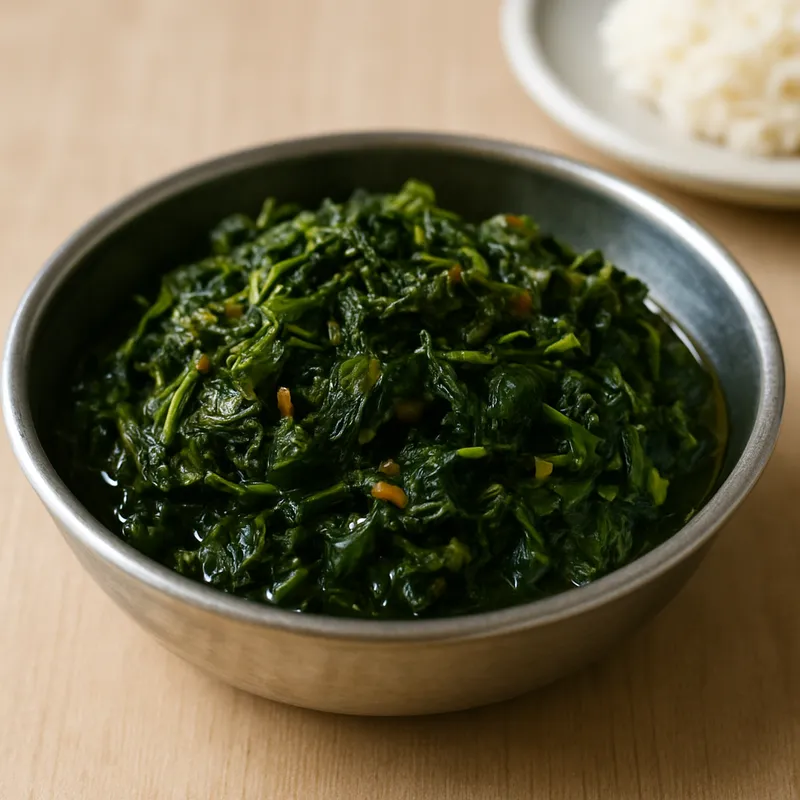 GI 5· Low
Methi (Fenugreek Leaves)
मेथी · మెంతికూర
Leafy green with proven blood sugar-lowering properties. Contains galactomannan fiber and 4-hydroxyisoleucine which improve insulin sensitivity.
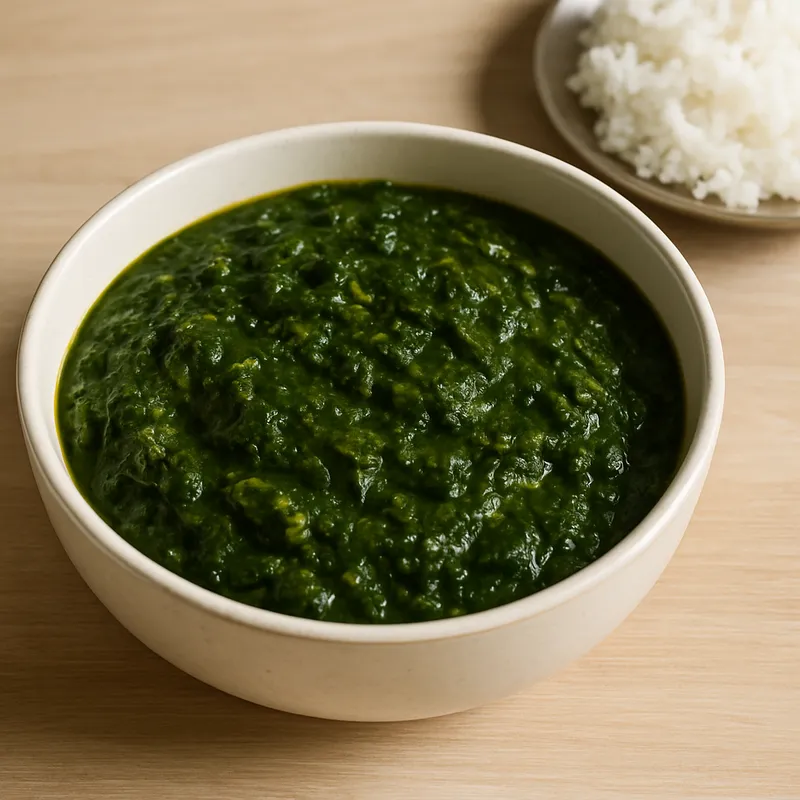 GI 6· Low
Spinach (Palak)
पालक · పాలకూర
Iron-rich leafy green used in palak paneer, dal palak, and many other dishes. Negligible GI and highly nutritious.
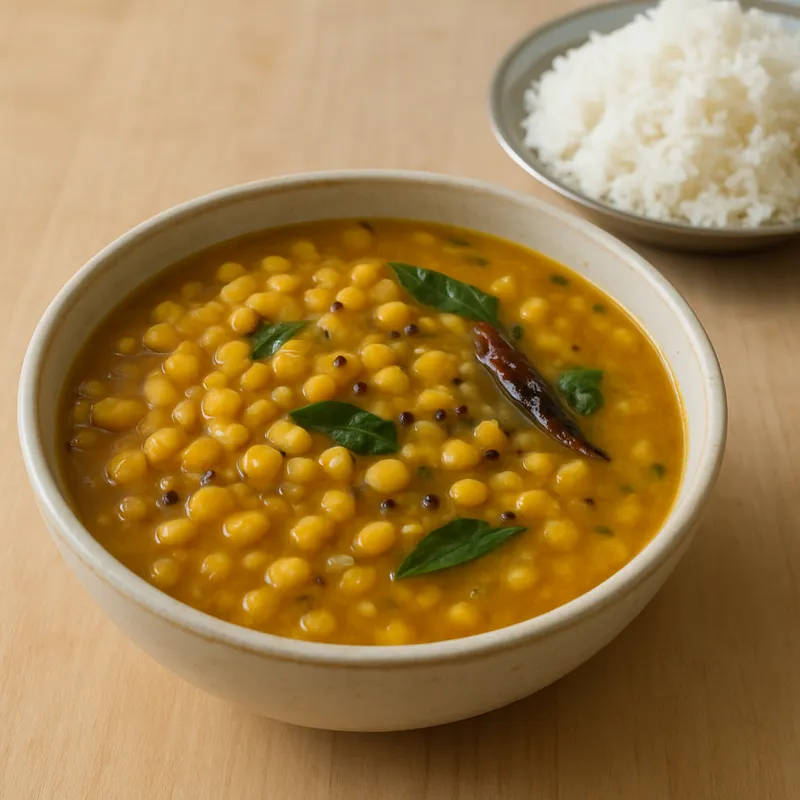 GI 8· Low
Chana Dal
चना दाल · శనగపప్పు
Split Bengal gram, one of the lowest GI foods available. Excellent source of protein and complex carbohydrates.
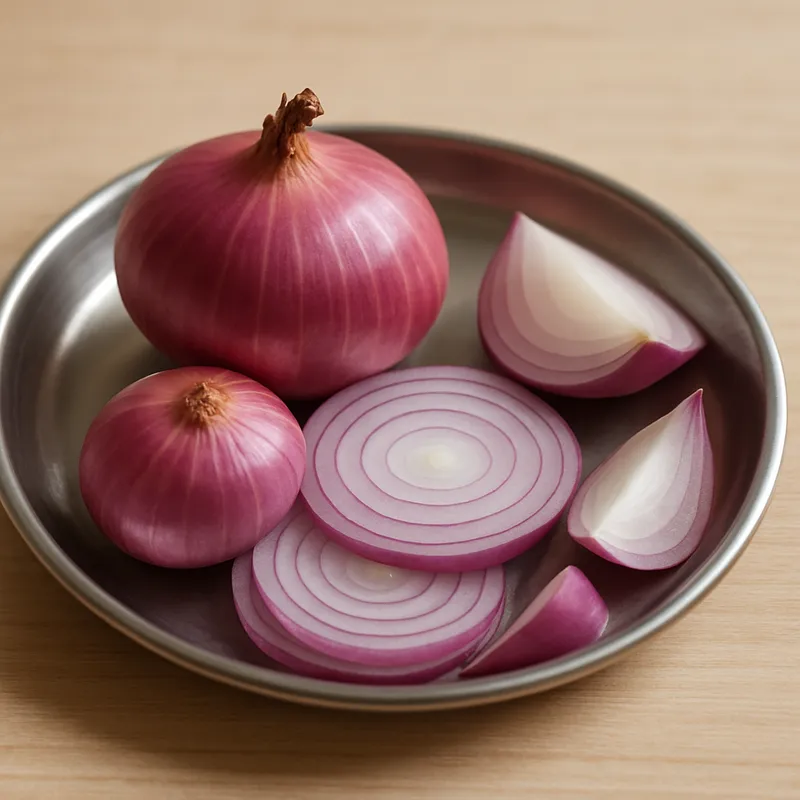 GI 10· Low
Onion
प्याज · ఉల్లిపాయ
Foundation of Indian cooking. Very low GI, contains quercetin and chromium which may aid blood sugar management.
 GI 10· Low
Drumstick (Moringa)
सहजन · మునగకాయ
Nutrient powerhouse used in sambar and curries. Moringa leaves and pods are both very low GI and packed with vitamins and minerals.
 GI 10· Low
Cabbage (Patta Gobi)
पत्ता गोभी · క్యాబేజి
Affordable, versatile vegetable used in sabzi, salads, and stir-fries. Very low GI with good fiber and vitamin C content.
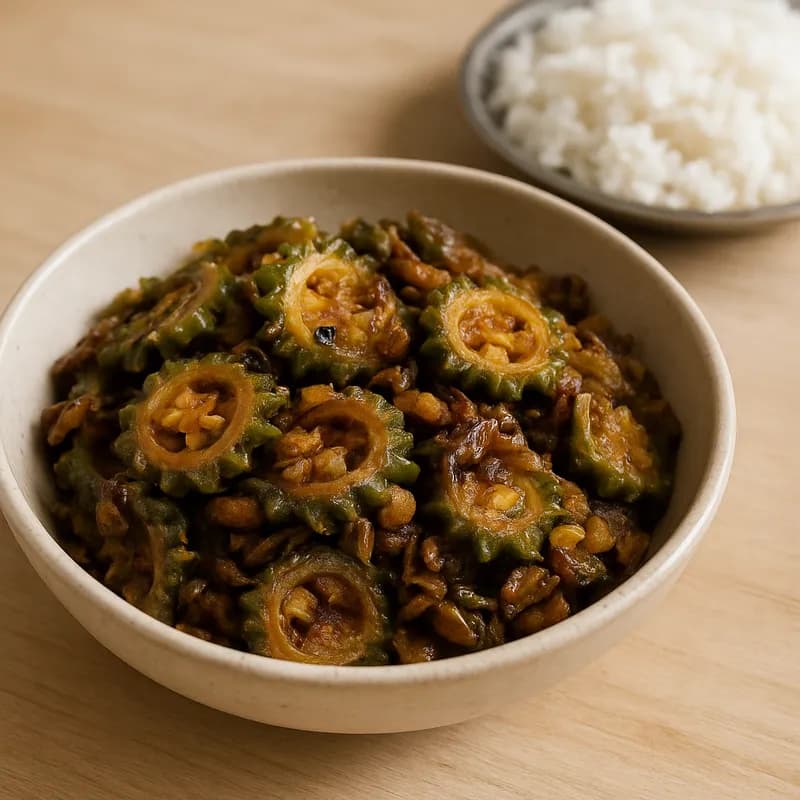 GI 15· Low
Bitter Gourd (Karela)
करेला · కాకరకాయ
Traditionally used for diabetes management in India. Contains compounds that mimic insulin action. Very low GI.
 GI 15· Low
Tomato
टमाटर · టమాటో
Essential in Indian cooking. Very low GI and rich in lycopene. Used in virtually every curry, sambar, and chutney.
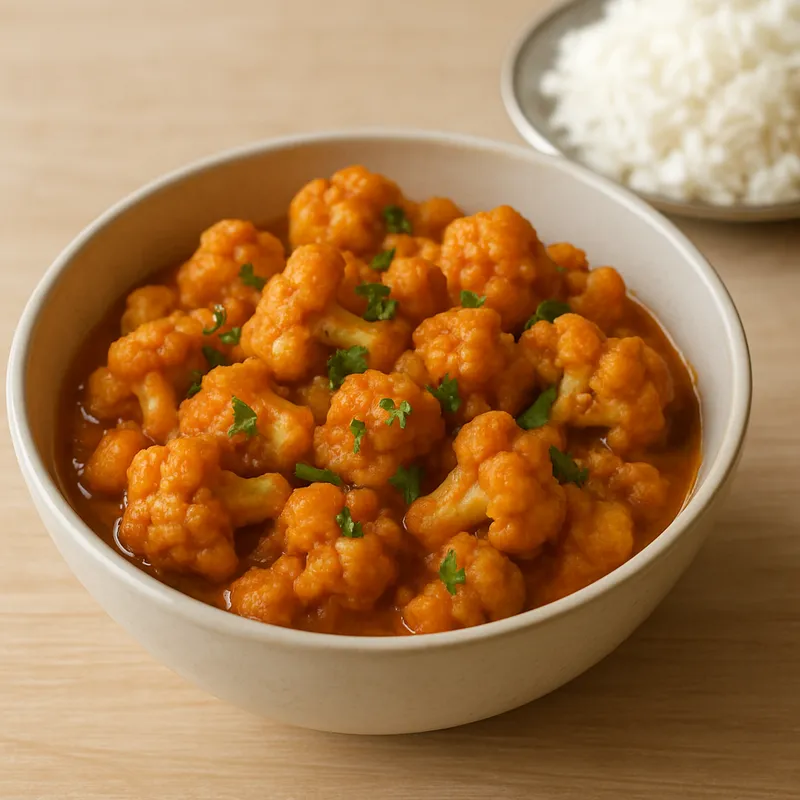 GI 15· Low
Cauliflower (Gobi)
गोभी · గోబీ
Versatile vegetable used in gobi manchurian, aloo gobi, gobi paratha, and more. Very low GI and low calorie.
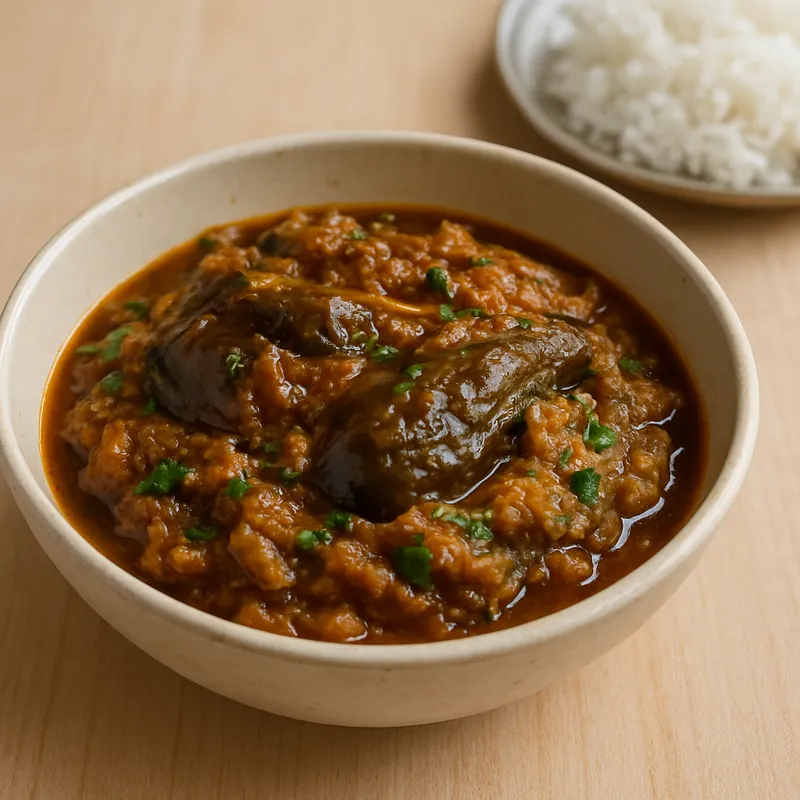 GI 15· Low
Brinjal (Baingan)
बैंगन · వంకాయ
Eggplant used in bharwa baingan, baingan bharta, and many South Indian dishes. Very low GI with good fiber.
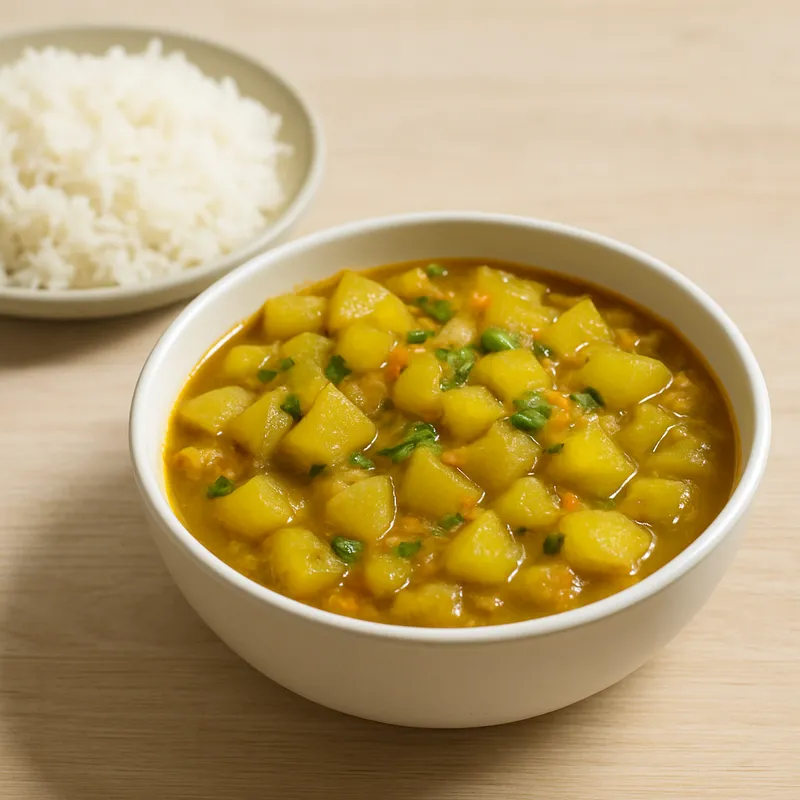 GI 15· Low
Bottle Gourd (Lauki)
लौकी · సొరకాయ
Very low calorie gourd used in kofta, halwa, and sabzi. High water content makes it excellent for hydration and weight management.
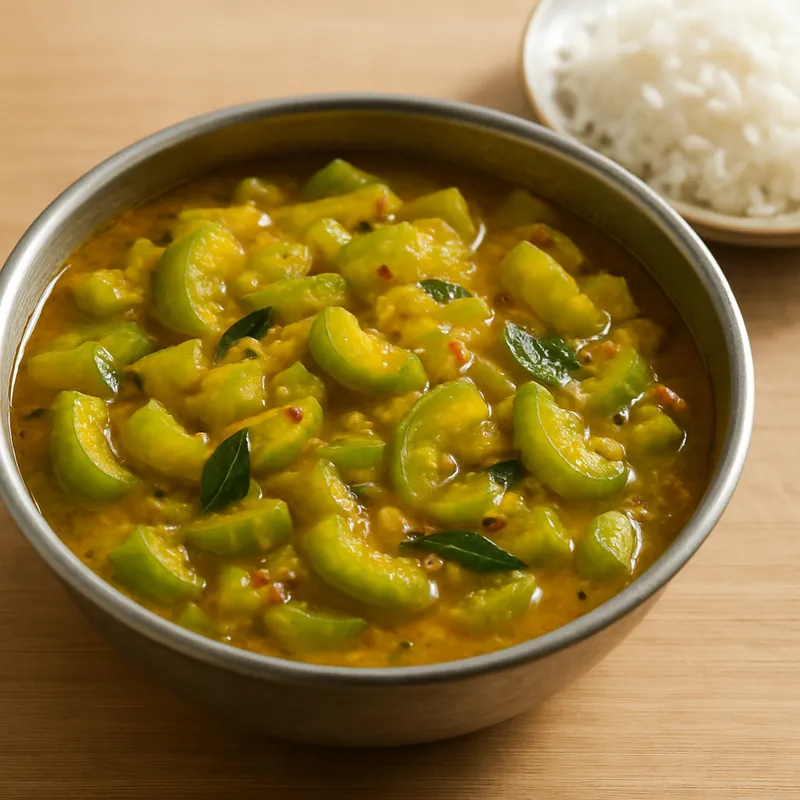 GI 15· Low
Ridge Gourd (Turai)
तुरई · బీరకాయ
Light, easy-to-digest gourd popular in South Indian cooking. Very low GI and calorie, good for everyday diabetic meals.
 GI 15· Low
Cucumber (Kheera)
खीरा · దోసకాయ
Hydrating, low-calorie vegetable perfect for salads and raita. Virtually zero glycemic impact. Ideal diabetic snack.
 GI 15· Low
Capsicum (Shimla Mirch)
शिमला मिर्च · క్యాప్సికం
Bell peppers (green, red, yellow) used in stir-fries and curries. Very low GI, rich in vitamin C, and adds crunch to meals.
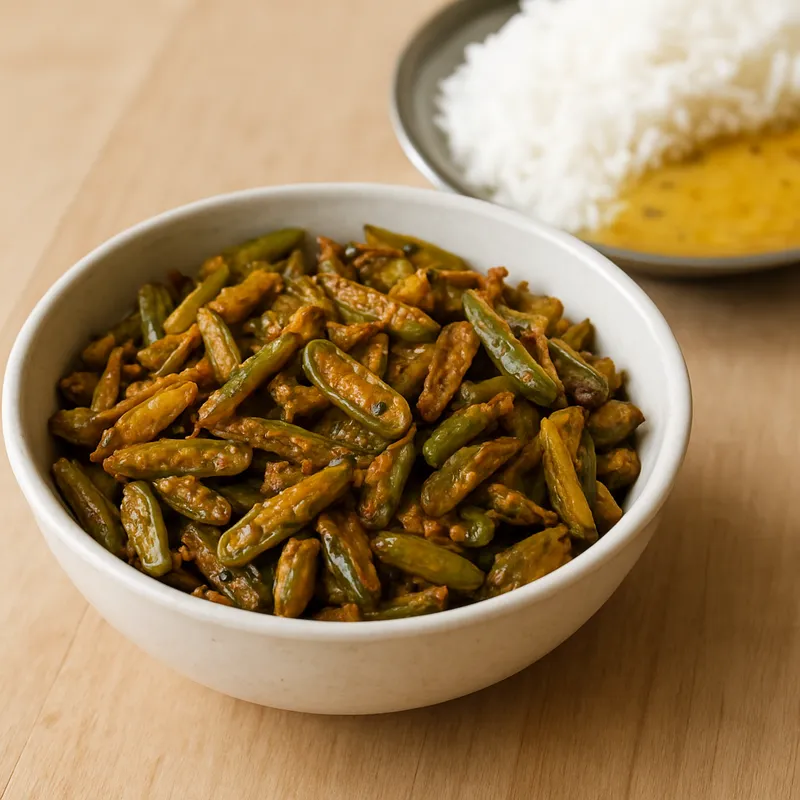 GI 15· Low
Ivy Gourd (Tindora)
कुंदरू / तिंडोरा · దొండకాయ
Small gourd vegetable popular in South and West Indian cuisine. Research suggests it has anti-hyperglycemic properties.
 GI 15· Low
Radish (Mooli)
मूली · ముల్లంగి
Crunchy root vegetable eaten raw in salads or cooked in parathas and sambar. Very low GI and aids digestion.
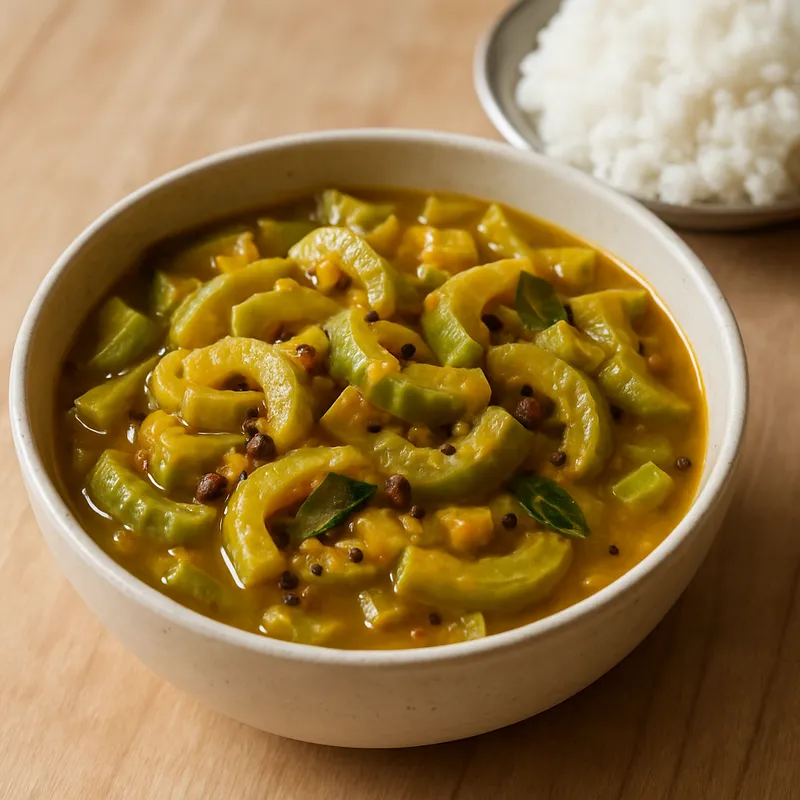 GI 15· Low
Snake Gourd (Chichinda)
चिचिंडा · పొట్లకాయ
Long green gourd used in South Indian curries and stir-fries. Very low calorie, very low GI — a diabetic-friendly everyday vegetable.
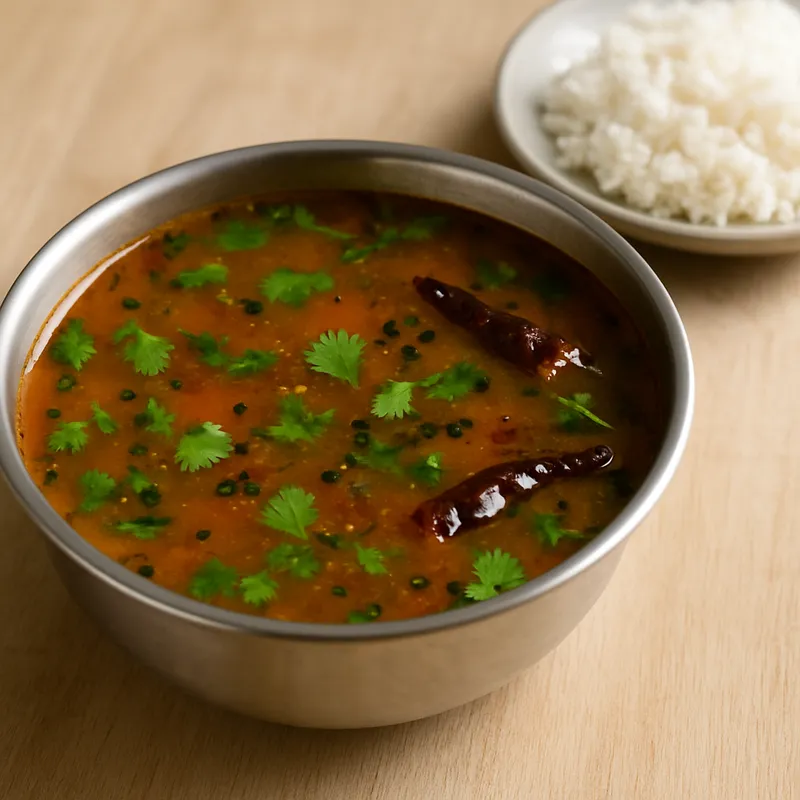 GI 15· Low
Rasam
रसम · రసం / చారు
South Indian spiced tamarind-tomato broth. Very low calorie and low GI. Excellent digestive and often served as a soup course.
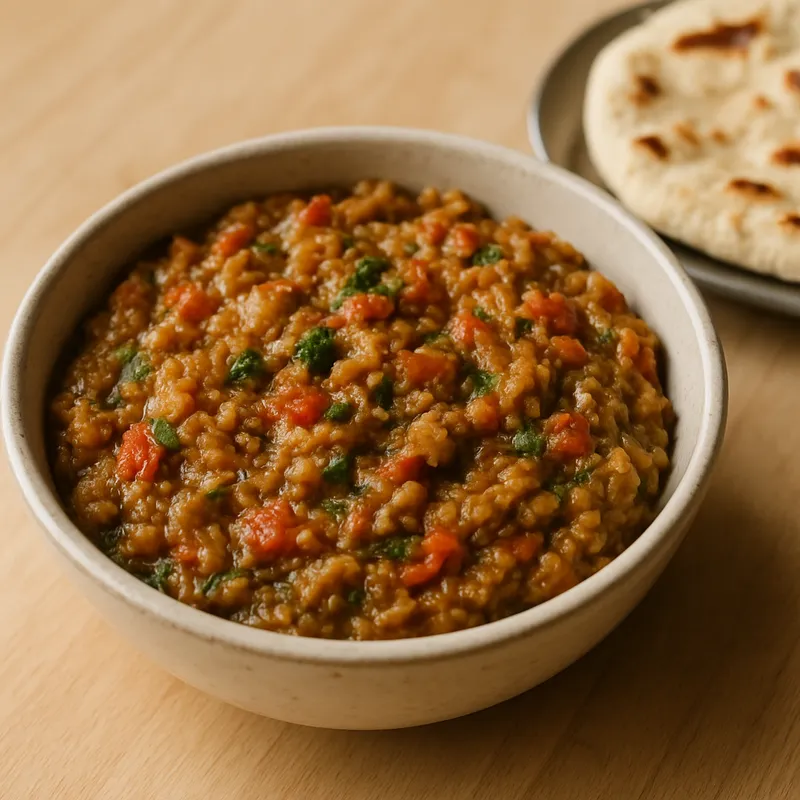 GI 15· Low
Baingan Bharta
बैंगन भर्ता · వంకాయ పచ్చడి
Smoky roasted eggplant mashed with onions, tomatoes, and spices. Very low GI, full of flavor, and one of the healthiest North Indian dishes.
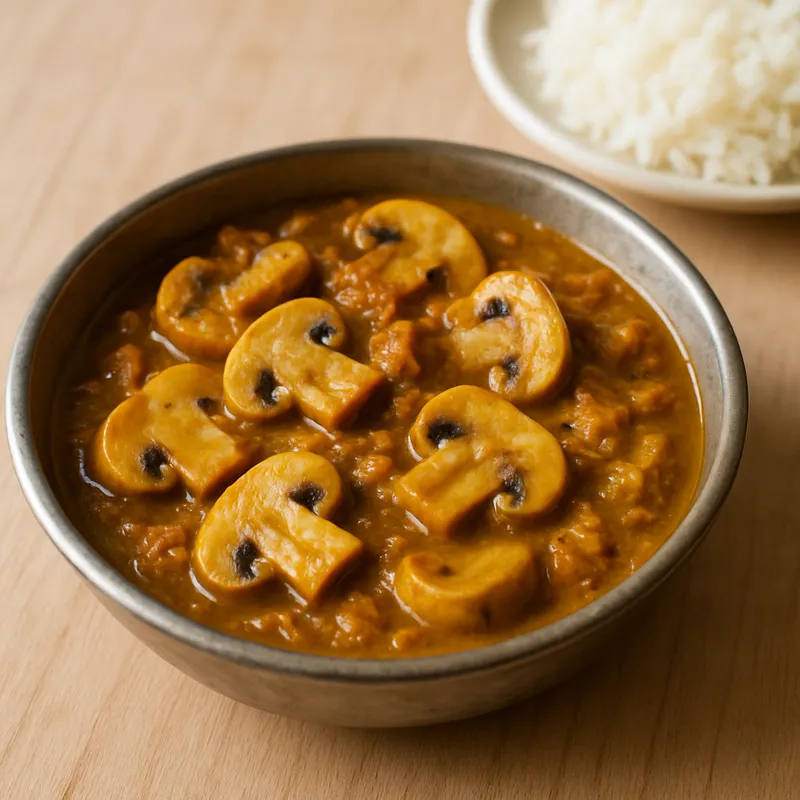 GI 15· Low
Mushroom (Button)
मशरूम · పుట్టగొడుగు
A low-calorie, low-carb fungus with negligible impact on blood sugar. Rich in B vitamins and a good source of plant protein.
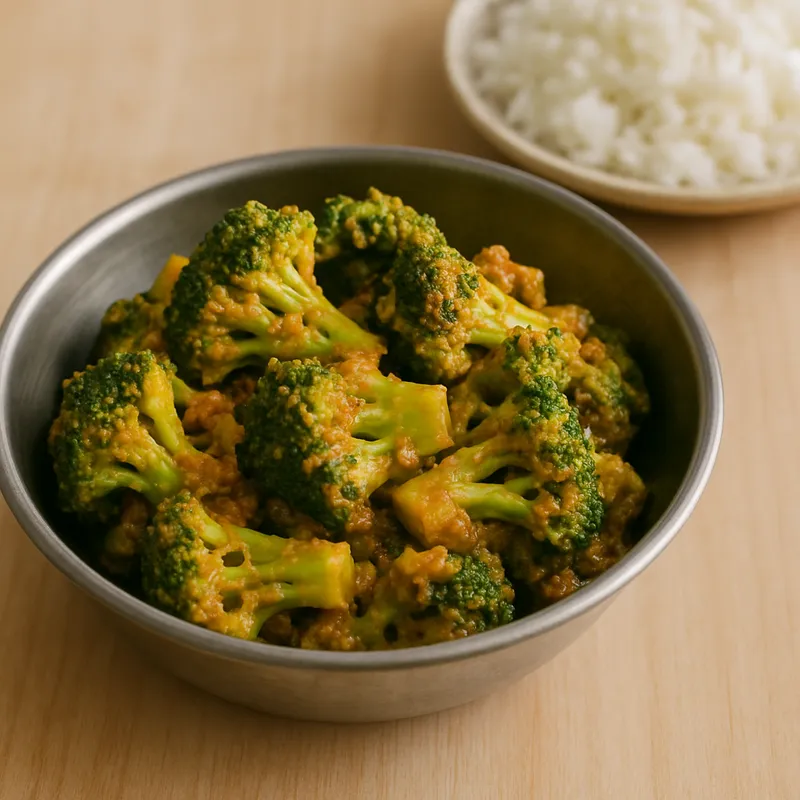 GI 15· Low
Broccoli
ब्रोकली · బ్రోకలీ
A cruciferous green vegetable that is very low in carbs and GI. Loaded with fiber, vitamin C and antioxidants.
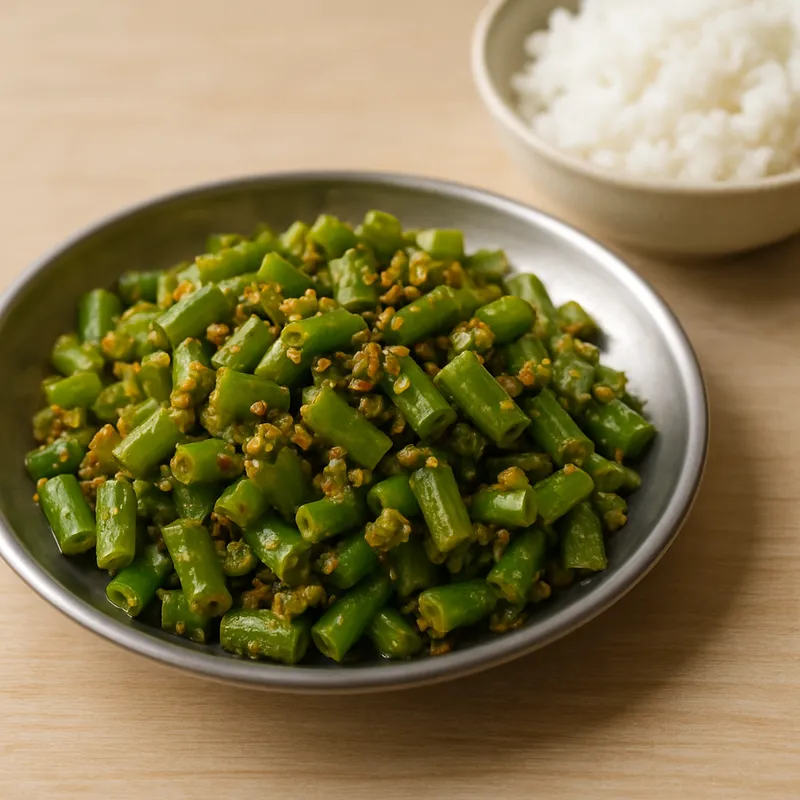 GI 15· Low
French Beans (Green Beans)
फ्रेंच बीन्स · చిక్కుడు కాయలు
Tender green pods that are low in calories and carbs with a very low GI. A good source of fiber and folate.
 GI 15· Low
Cluster Beans (Gawar / Guar)
ग्वार फली · గోరు చిక్కుడు
Slightly bitter green beans very high in soluble fiber (guar gum), which makes them excellent for blood sugar control. Very low GI.
 GI 15· Low
Saga Bhaja
साग भाजा · సాగ భాజా
Leafy greens (spinach, amaranth or other saga) stir-fried with garlic, dried red chilli and a little mustard oil — the simplest and most common green dish on an Odia plate. Very low in carbs and GI.
Showing 24 of 36. Every food is in the table above.
Browse by food group
Common questions
What is the best dinner for diabetics in India?
A low-GI dinner built from dal, a vegetable sabzi and one or two whole-grain or millet rotis is ideal. Keep white rice small, add curd or salad for fiber, and finish eating a few hours before bed for steadier overnight blood sugar.
Should diabetics eat rice or roti at night?
Whole-grain or millet roti is generally better than polished white rice at night because it has a lower glycemic index and more fiber. If you prefer rice, keep the portion small and pair it with plenty of dal and vegetables.
Is it okay to skip dinner to control blood sugar?
Skipping dinner is usually not recommended — it can cause low blood sugar overnight or overeating later. A small, early, low-GI dinner is a better strategy for stable blood sugar than skipping the meal.
Sources
- Atkinson FS, Brand-Miller JC, Foster-Powell K, Buyken AE, Goletzke J. International tables of glycemic index and glycemic load values 2021: a systematic review. American Journal of Clinical Nutrition, 2021; 114(5): 1625–1632.
- University of Sydney, Glycemic Index Research Service — GI Database (glycemicindex.com).
- Longvah T, Ananthan R, Bhaskarachary K, Venkaiah K. Indian Food Composition Tables 2017. National Institute of Nutrition (ICMR), Hyderabad.
- ICMR–National Institute of Nutrition. Dietary Guidelines for Indians, 2024.
- ISO 26642:2010. Food products — Determination of the glycaemic index (GI) and recommendation for food classification.
Many Indian dishes have never been clinically tested, so some values are estimates — each food page shows whether its GI was measured or estimated. See our methodology.
This guide is for general educational purposes only and is not medical advice. Glycemic index values are approximate and individual blood sugar responses vary. Please consult your doctor or a registered dietitian before making changes to your diet — see our full disclaimer.