Low-GI Rice Alternatives & Whole Grains
White rice and refined wheat spike blood sugar fast. These whole grains and millets have a far lower glycemic index thanks to their intact fiber, making them smart everyday swaps for diabetics — ranked from lowest GI up.
Updated · ranked by glycemic index, lowest first · How we source our data
Cooking and then cooling rice or grains for a few hours raises their resistant starch and lowers the effective GI, even after gentle reheating.
At a glance: GI, GL and nutrition compared
| Food | GI | GL | Serving | Calories | Protein | Fiber |
|---|---|---|---|---|---|---|
| Barley (Jau, Cooked) | 28 | 12 | 1 cup (cooked) | 193 kcal | 3.5g | 6g |
| Foxtail Millet | 44 | 12 | 1 medium bowl (cooked) | 160 kcal | 6g | 6.7g |
| Daliya (Broken Wheat) | 48 | 12 | 1 medium bowl (cooked) | 140 kcal | 5g | 5g |
| Brown Rice | 50 | 16 | 1 medium bowl (cooked) | 170 kcal | 5g | 3.5g |
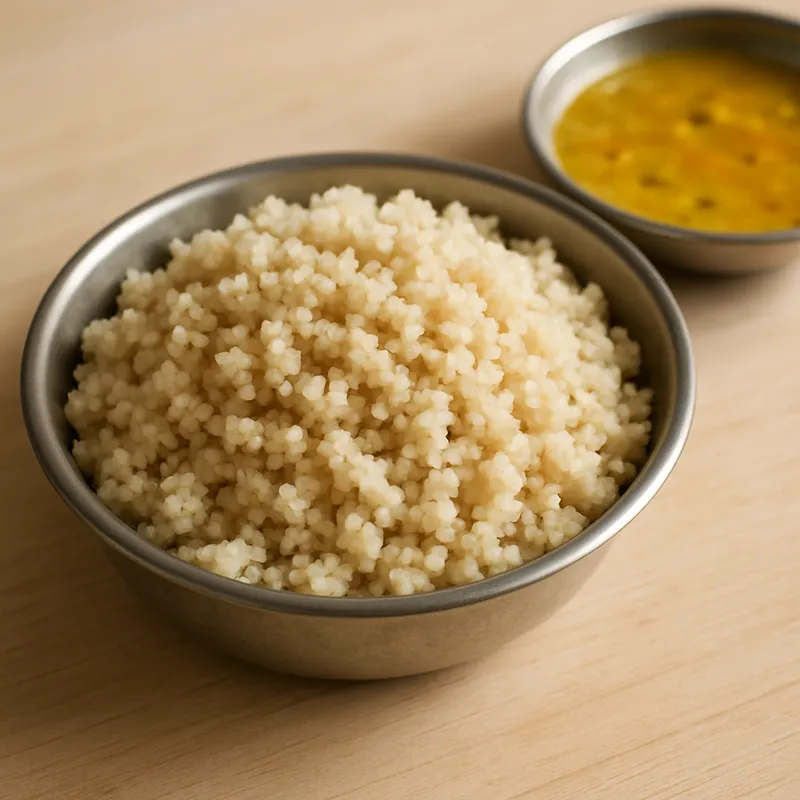
| Kodo Millet (Kodo / Arikelu, Cooked) | 50 | 20 | 1 medium bowl (cooked) | 175 kcal | 4.5g | 5g |
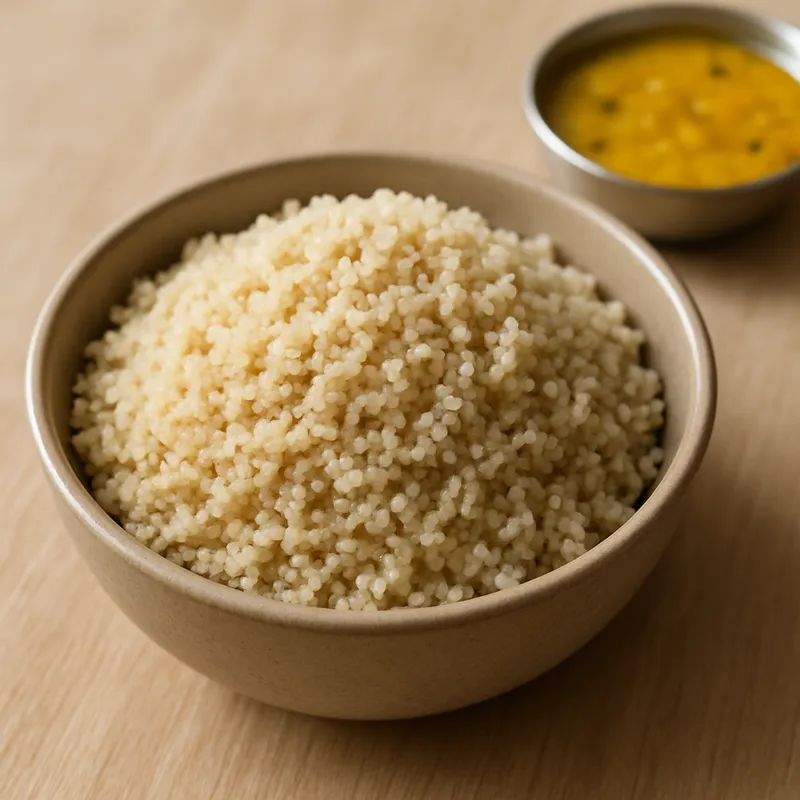
| Barnyard Millet (Sanwa / Samvat / Udalu, Cooked) | 50 | 19 | 1 medium bowl (cooked) | 165 kcal | 4g | 6g |
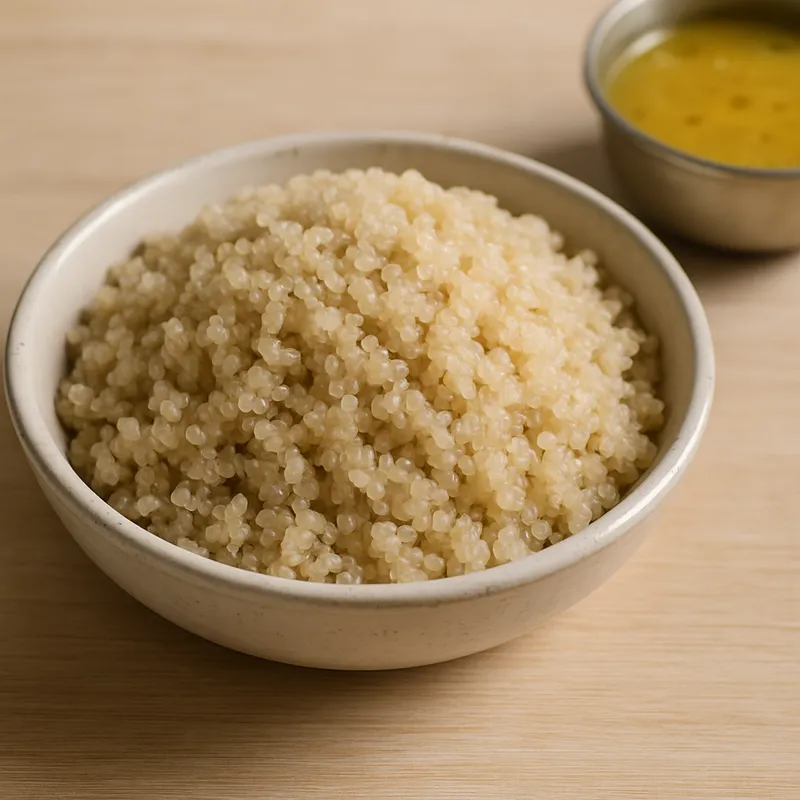
| Little Millet (Samai / Kutki, Cooked) | 52 | 21 | 1 medium bowl (cooked) | 180 kcal | 4g | 4g |
| Quinoa (Cooked) | 53 | 21 | 1 cup (cooked) | 222 kcal | 8g | 5.2g |
| Ragi (Finger Millet) | 54 | 14 | 1 medium bowl (cooked) | 155 kcal | 5g | 5.5g |
| Bajre ki Khichdi | 54 | 18 | 1 bowl | 250 kcal | 9g | 6g |
| Bajra (Pearl Millet) | 55 | 15 | 1 medium bowl (cooked) | 170 kcal | 6g | 5g |
| Oats | 55 | 13 | 1 cup (cooked from 40g dry) | 150 kcal | 5g | 4g |
| Hand-Pounded Rice | 55 | 20 | 1 medium bowl (cooked) | 180 kcal | 4.5g | 2.5g |
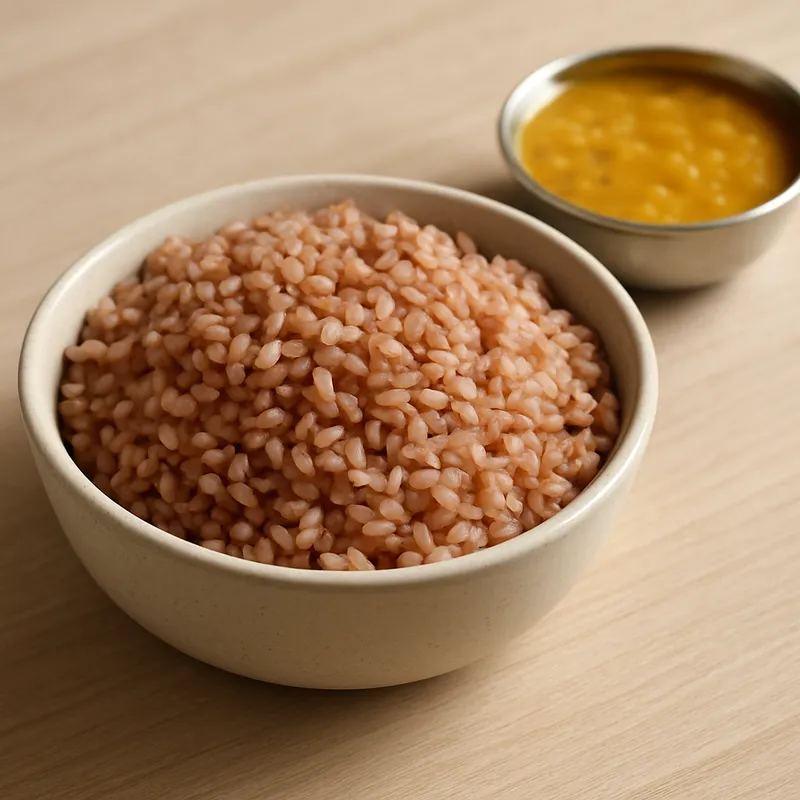
| Red Rice (Matta / Kerala Rosematta, Cooked) | 55 | 24 | 1 medium bowl (cooked) | 165 kcal | 3.5g | 2g |
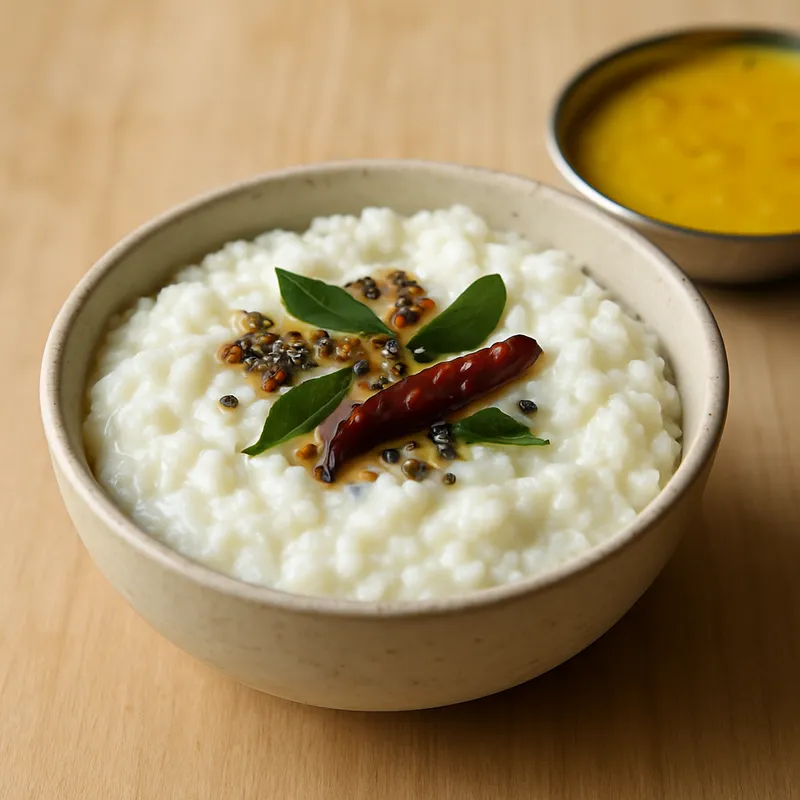
| Curd Rice (Thayir Sadam) | 55 | 19 | 1 medium bowl | 220 kcal | 6g | 1g |
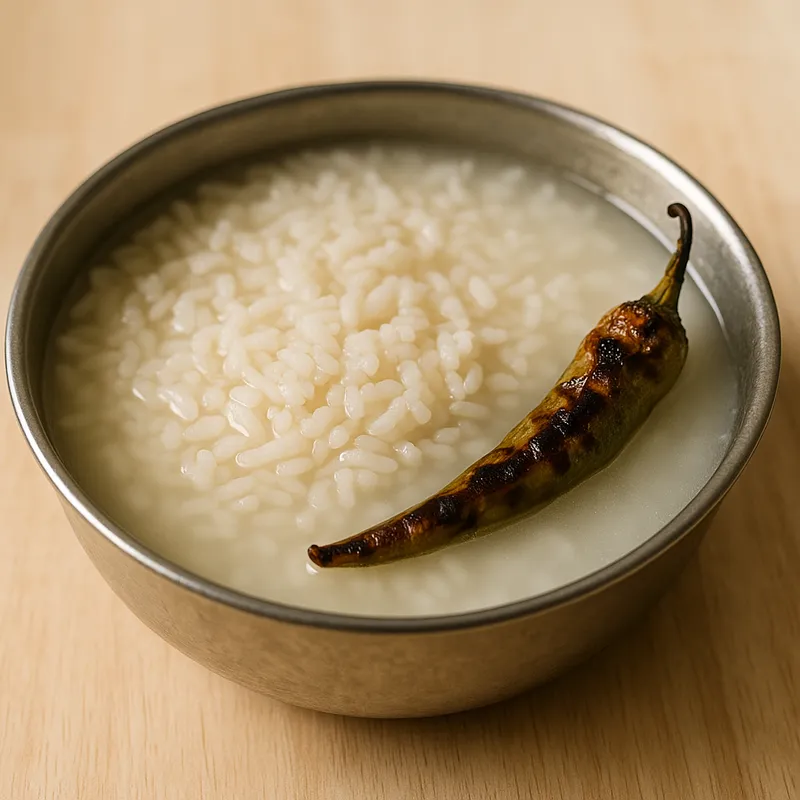
| Pakhala Bhata (Fermented Rice) | 55 | 23 | 1 bowl with water | 200 kcal | 4g | 1g |
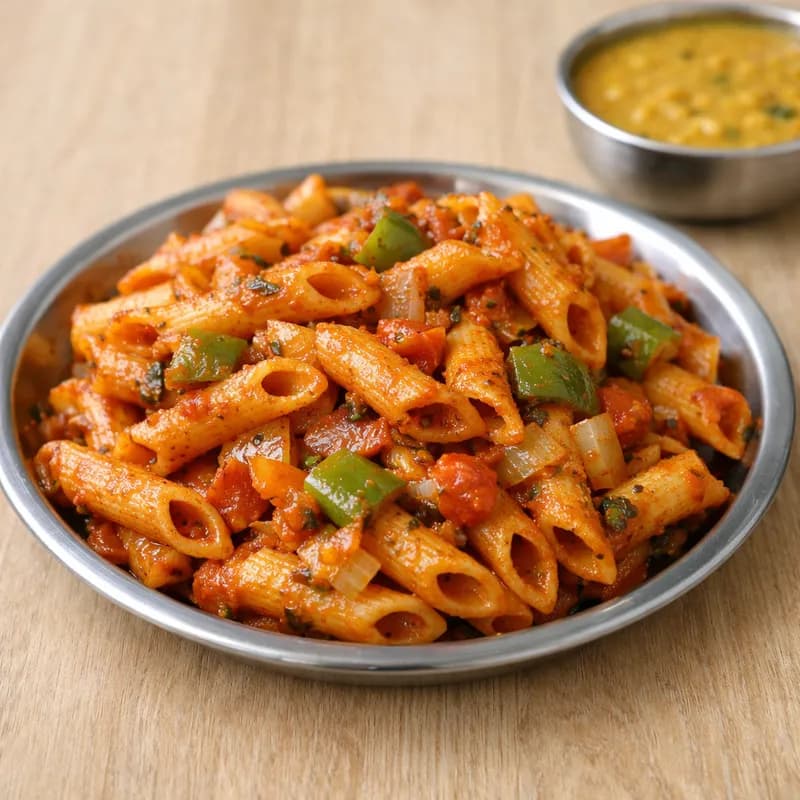
| Pasta (Indian Masala) | 55 | 25 | 1 plate | 300 kcal | 9g | 3g |
GL and nutrition are per serving. How these values are sourced
Looking for every option? See the complete list of low-GI Indian foods.
Explore each food
 GI 28· Low
Barley (Jau, Cooked)
जौ · బార్లీ
Pearl barley is a fiber-rich whole grain valued for its beta-glucan content, which slows digestion. One of the lowest-GI grains, often used in soups, khichdi and porridge.
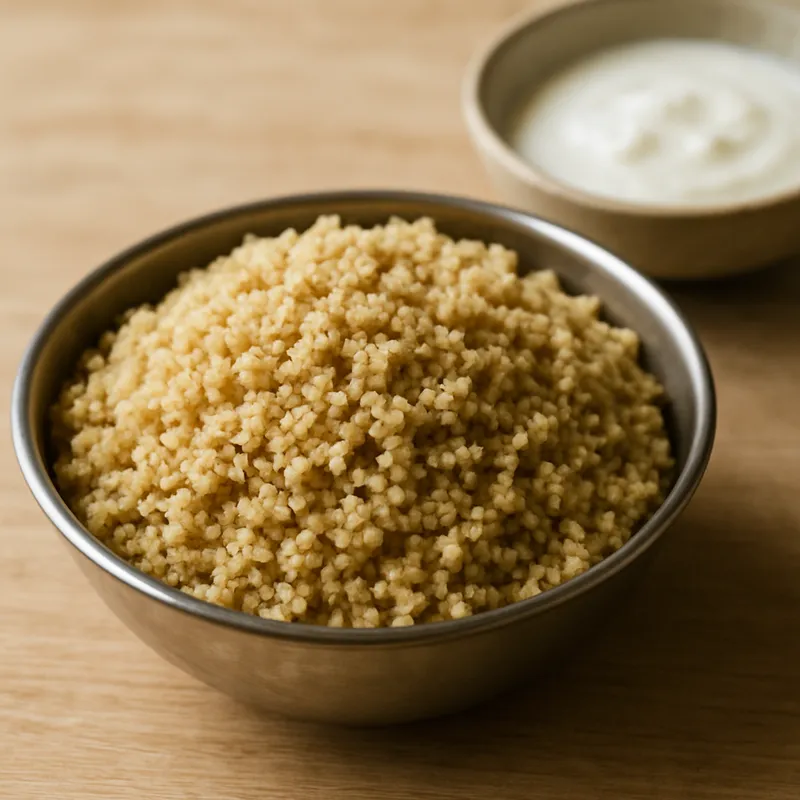 GI 44· Low
Foxtail Millet
कांगनी · కొర్రలు
A traditional Indian millet making a comeback. Excellent low-GI alternative to rice with higher protein and mineral content.
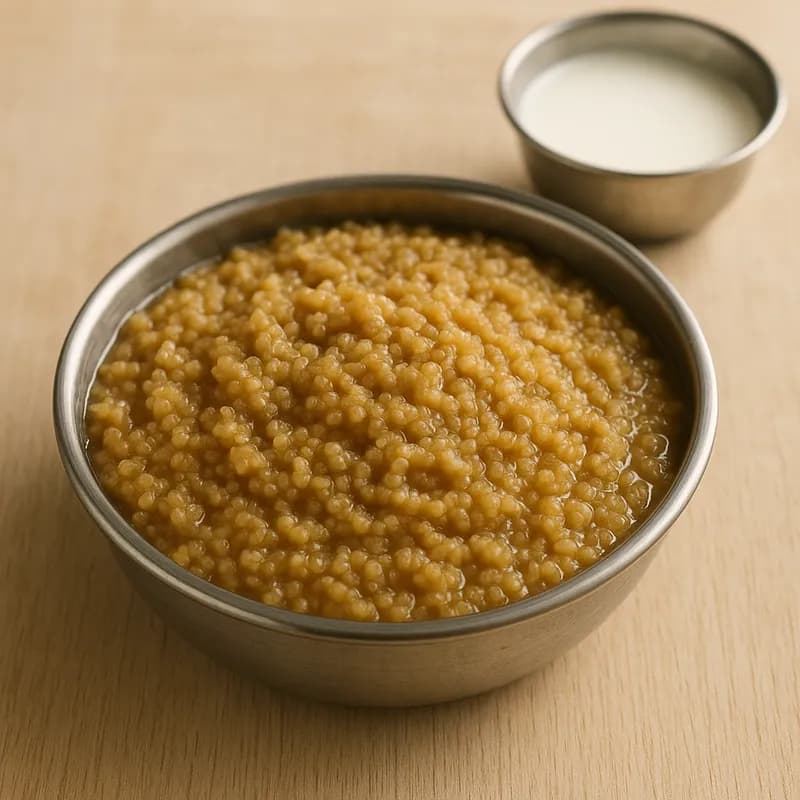 GI 48· Low
Daliya (Broken Wheat)
दलिया · గోధుమ రవ్వ
Cracked wheat porridge, a traditional North Indian breakfast. High fiber content makes it a better choice than refined wheat products.
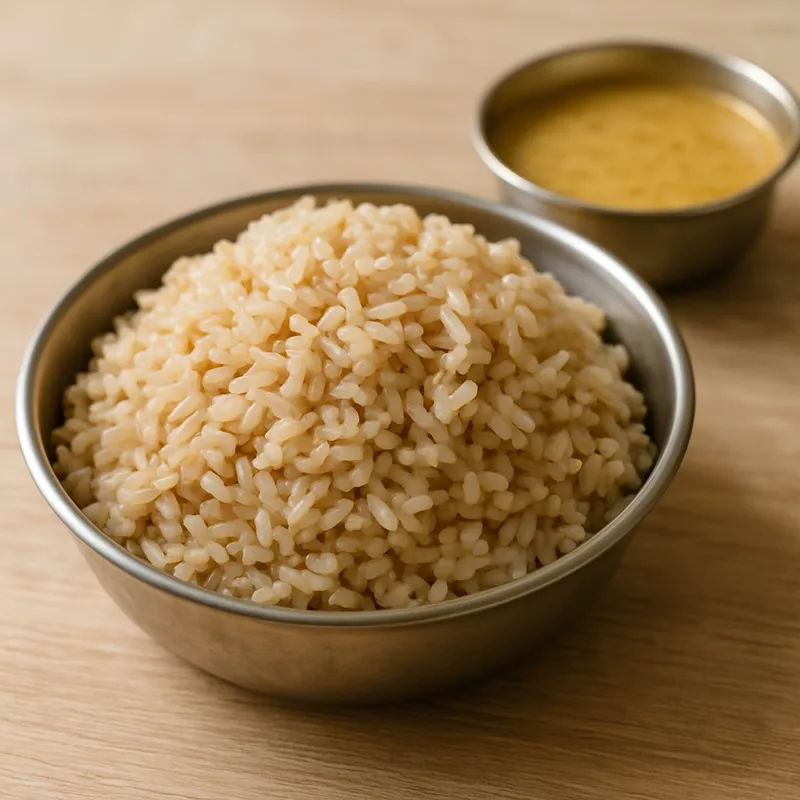 GI 50· Low
Brown Rice
ब्राउन चावल · బ్రౌన్ బియ్యం
Unpolished rice with bran intact. Higher fiber content results in slower glucose absorption compared to white rice.
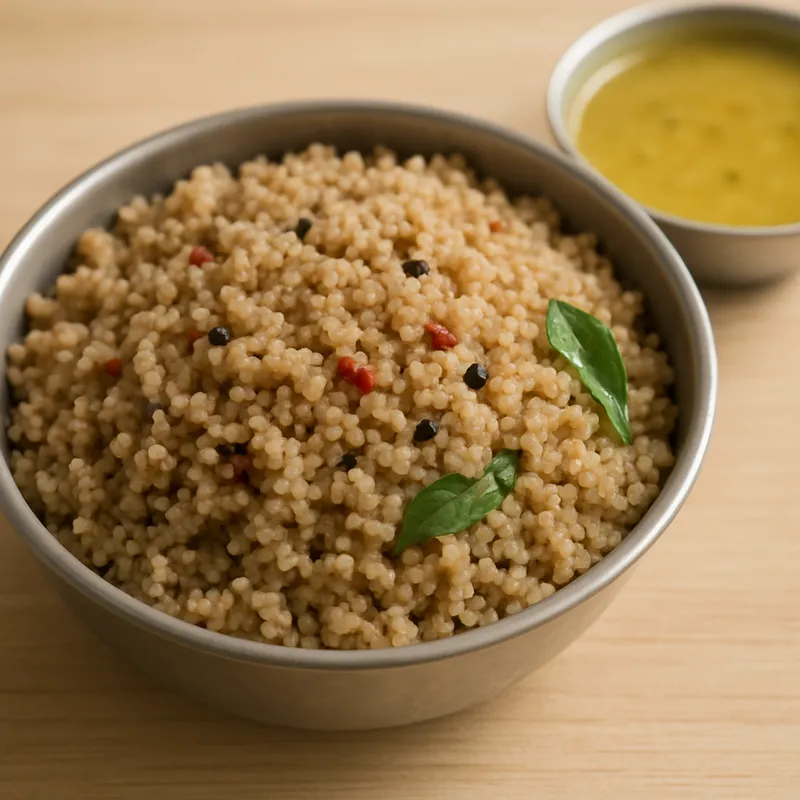 GI 50· Low
Kodo Millet (Kodo / Arikelu, Cooked)
कोदो · అరికెలు
An ancient, easily digestible millet high in fiber and antioxidants, used in place of rice in pulao, upma and khichdi. Low GI makes it diabetic-friendly.
 GI 50· Low
Barnyard Millet (Sanwa / Samvat / Udalu, Cooked)
सांवा · ఊదలు
A fast-cooking millet often eaten during fasting as a rice replacement. Among the lowest-GI millets, it is high in fiber and low in calories.
 GI 52· Low
Little Millet (Samai / Kutki, Cooked)
कुटकी · సామలు
A small-grained drought-resistant millet used as a rice substitute in South Indian meals. Rich in fiber and iron with a low to medium GI.
 GI 53· Low
Quinoa (Cooked)
क्विनोआ · క్వినోవా
A protein-rich pseudo-cereal increasingly used in Indian kitchens as a rice substitute in pulao, upma and salads. Low to medium GI with good fiber and complete protein.
 GI 54· Low
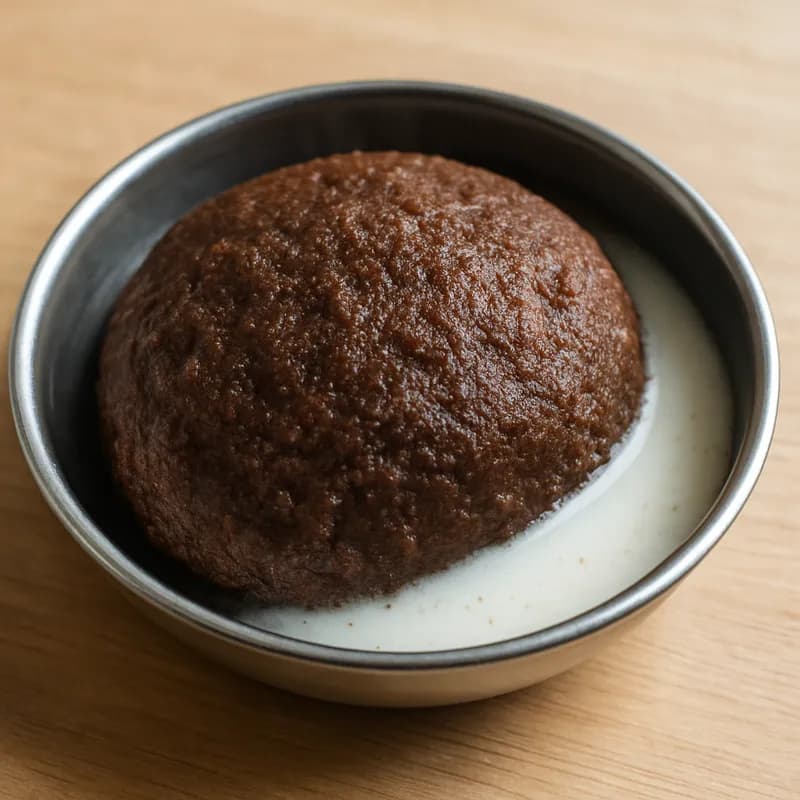
Ragi (Finger Millet)
रागी · రాగులు
Nutrient-dense millet rich in calcium and iron. Popular in South India as ragi mudde, dosa, and porridge. Excellent for diabetics.
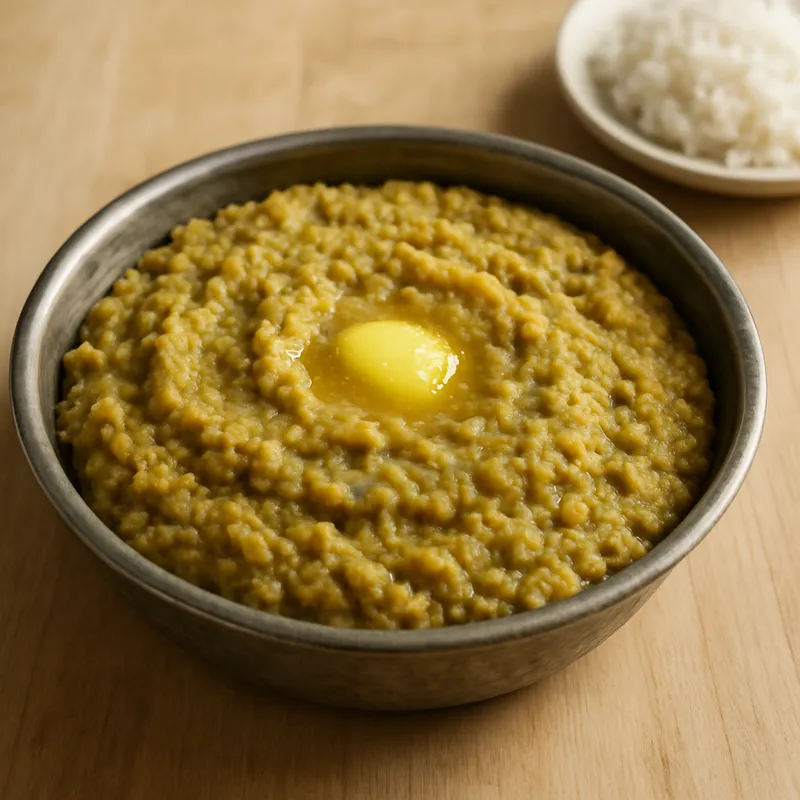 GI 54· Low
Bajre ki Khichdi
बाजरे की खिचड़ी · బాజ్రా ఖిచ్డీ
A rustic Rajasthani one-pot dish of pearl millet (bajra) and moong dal cooked soft with ghee. The millet's fiber and the dal's protein give it a much lower GI than rice khichdi.
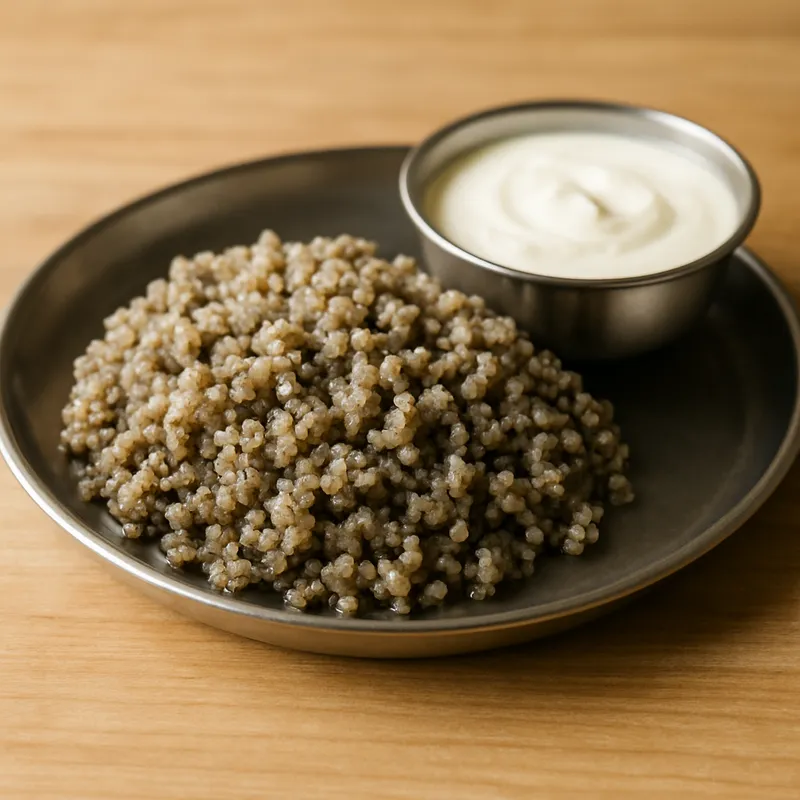 GI 55· Low
Bajra (Pearl Millet)
बाजरा · సజ్జలు
Staple grain of Rajasthan and Gujarat. High in iron and zinc. Used for rotis and khichdi.
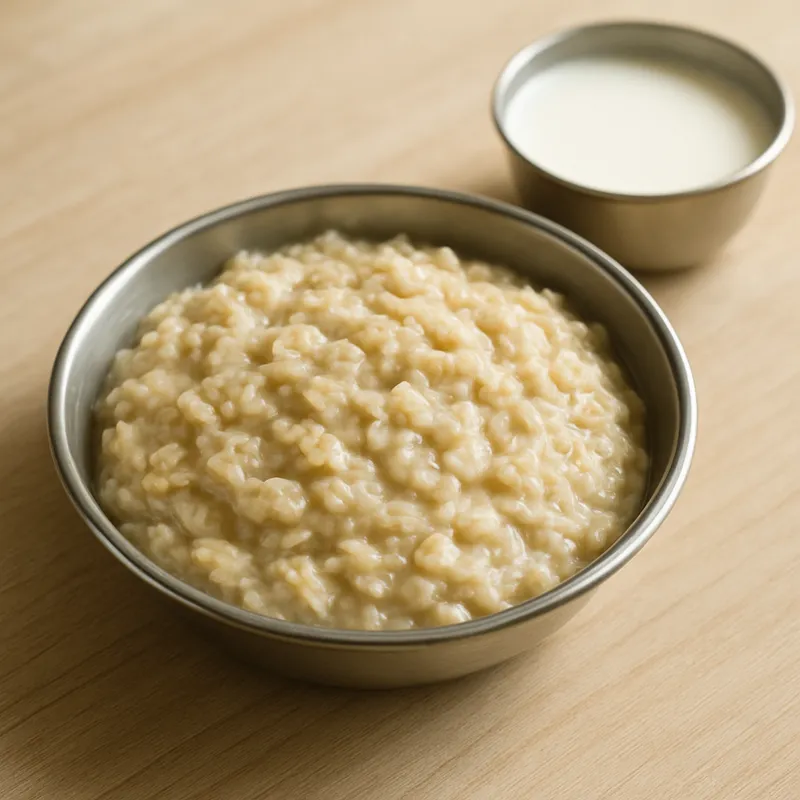 GI 55· Low
Oats
ओट्स · ఓట్స్
Rolled oats widely adopted in Indian breakfasts. Rich in beta-glucan fiber which helps regulate blood sugar.
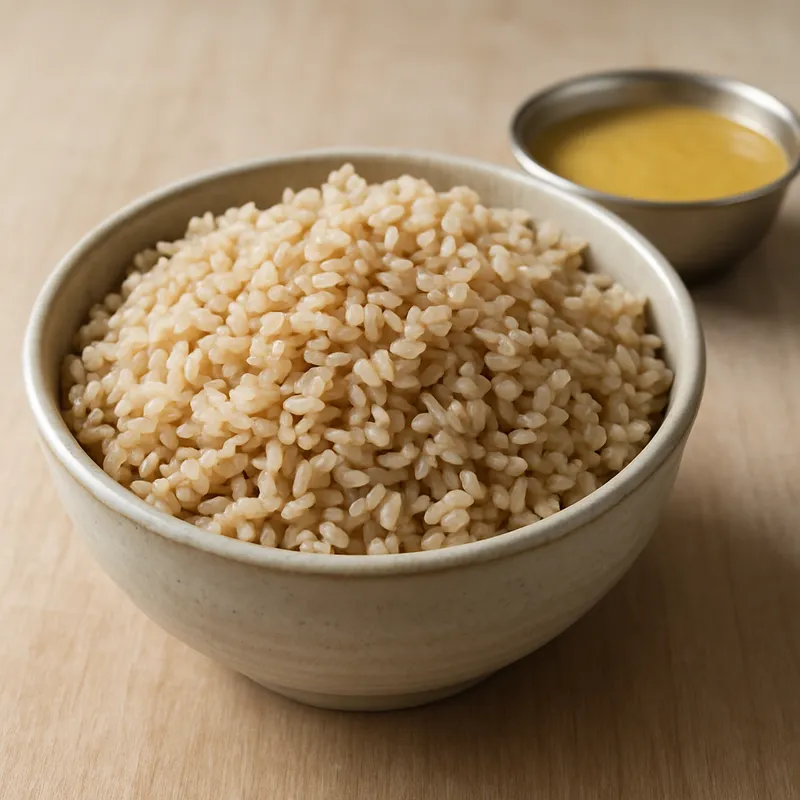 GI 55· Low
Hand-Pounded Rice
कुटा हुआ चावल · దంపుడు బియ్యం
Traditional unpolished rice with partial bran intact. Lower GI than polished white rice while maintaining familiar taste.
 GI 55· Low
Red Rice (Matta / Kerala Rosematta, Cooked)
लाल चावल · ఎర్ర బియ్యం
A parboiled unpolished rice from Kerala with a reddish bran layer rich in fiber, antioxidants and minerals. Lower GI than white rice due to retained bran and parboiling.
 GI 55· Low
Curd Rice (Thayir Sadam)
दही चावल · పెరుగన్నం
Cooked rice mixed with curd and a light tempering — a staple end-of-meal comfort food across Tamil Nadu and Andhra. The curd's fermentation and fat lower the effective GI compared with plain rice.
 GI 55· Low
Pakhala Bhata (Fermented Rice)
पखाला भात · పఖాళ భాత
Cooked rice fermented overnight in water, eaten cold in Odisha, Bengal and Assam as a cooling summer staple (panta bhat). Fermentation lowers its GI relative to fresh rice and adds gut-friendly bacteria.
 GI 55· Low
Pasta (Indian Masala)
पास्ता · పాస్తా
Penne or macaroni cooked with onion, tomato, capsicum and masala, a favourite in Indian kitchens and tiffin boxes. Pasta made from durum wheat digests more slowly than you might expect, but soft, overcooked pasta and big plates still add up.
Which is better? Side-by-side comparisons
Common questions
What can I eat instead of white rice as a diabetic?
Millets (foxtail, kodo, little, barnyard), barley, brown rice, hand-pounded rice, red rice and quinoa all have a lower glycemic index than polished white rice and keep blood sugar steadier.
Which millet has the lowest glycemic index?
Foxtail, kodo and barnyard millets are among the lowest-GI grains, typically in the low-50s or below, and are excellent rice replacements for diabetics.
Is brown rice better than white rice for diabetes?
Yes — brown rice keeps its fiber-rich bran, giving it a lower GI and slower glucose release than polished white rice, though portion size still matters.
Sources
- Atkinson FS, Brand-Miller JC, Foster-Powell K, Buyken AE, Goletzke J. International tables of glycemic index and glycemic load values 2021: a systematic review. American Journal of Clinical Nutrition, 2021; 114(5): 1625–1632.
- University of Sydney, Glycemic Index Research Service — GI Database (glycemicindex.com).
- Longvah T, Ananthan R, Bhaskarachary K, Venkaiah K. Indian Food Composition Tables 2017. National Institute of Nutrition (ICMR), Hyderabad.
- ICMR–National Institute of Nutrition. Dietary Guidelines for Indians, 2024.
- ISO 26642:2010. Food products — Determination of the glycaemic index (GI) and recommendation for food classification.
Many Indian dishes have never been clinically tested, so some values are estimates — each food page shows whether its GI was measured or estimated. See our methodology.
This guide is for general educational purposes only and is not medical advice. Glycemic index values are approximate and individual blood sugar responses vary. Please consult your doctor or a registered dietitian before making changes to your diet — see our full disclaimer.