Gujarati Foods
A Gujarati thali brings together dal, kadhi, rotli, shaak (vegetables) and farsan such as dhokla, khandvi and handvo, often with a characteristic touch of sweetness. Steamed, gram-flour-based farsan and vegetable shaaks are low GI; added sugar in dals and fried snacks like sev and chakli push it up.
Best picks for blood sugar
- Cluster Beans (Gawar / Guar)GI 15
- Sprout ChaatGI 25
- KadhiGI 25
- Toor Dal (Arhar)GI 29
- Dal TadkaGI 30
Keep these small
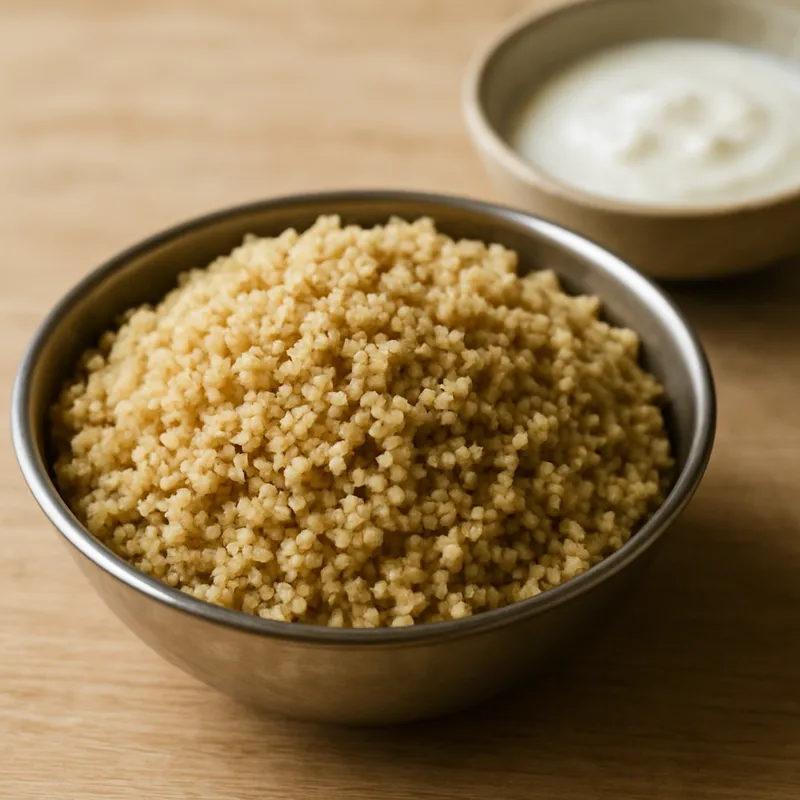
- Rajgira (Amaranth)GI 97
- JalebiGI 90
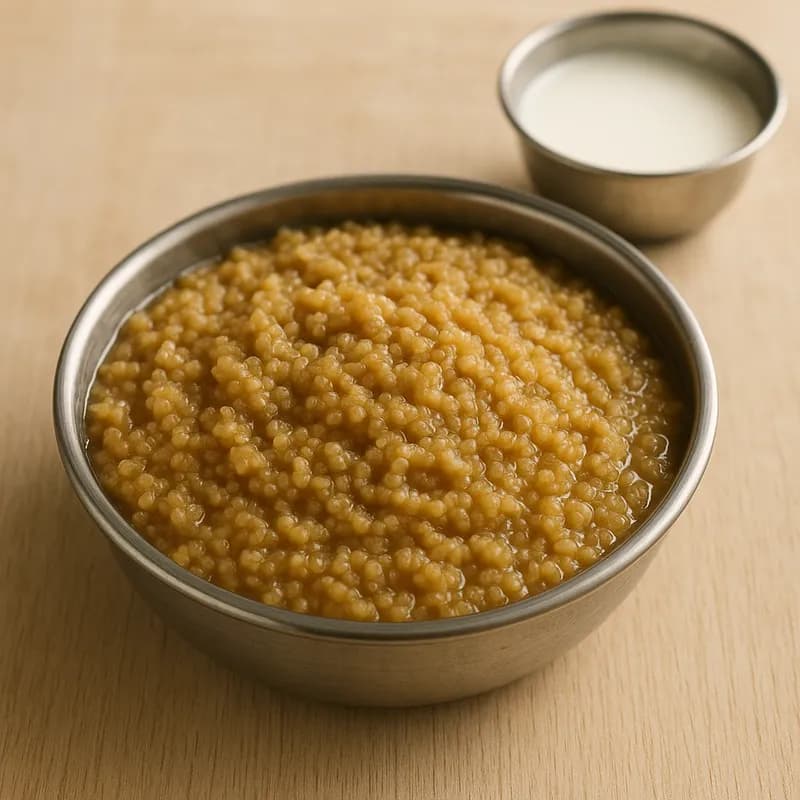
- Sabudana (Tapioca Pearls, Cooked)GI 85
- Sabudana KhichdiGI 79
- Potato (Aloo)GI 78
Easy swaps
The same kind of food, with a gentler effect on blood sugar.
Gujarati foods ranked by glycemic index
Lowest GI first. Tap any food for its full nutrition, portion advice and swaps.
| Food | GI | GL | Serving | Calories | Protein | Fiber |
|---|---|---|---|---|---|---|
| Methi (Fenugreek Leaves) | 5 | 0 | 1 bunch (cooked) | 25 kcal | 2.3g | 2.5g |
| Curd / Yogurt (Dahi) | 14 | 1 | 1 medium bowl | 90 kcal | 5g | 0g |
| Roasted Peanuts (Moongphali) | 14 | 1 | 1 small handful (30 g) | 170 kcal | 7.5g | 2.5g |
| Buttermilk (Chaas) | 15 | 1 | 1 glass | 40 kcal | 2.5g | 0g |
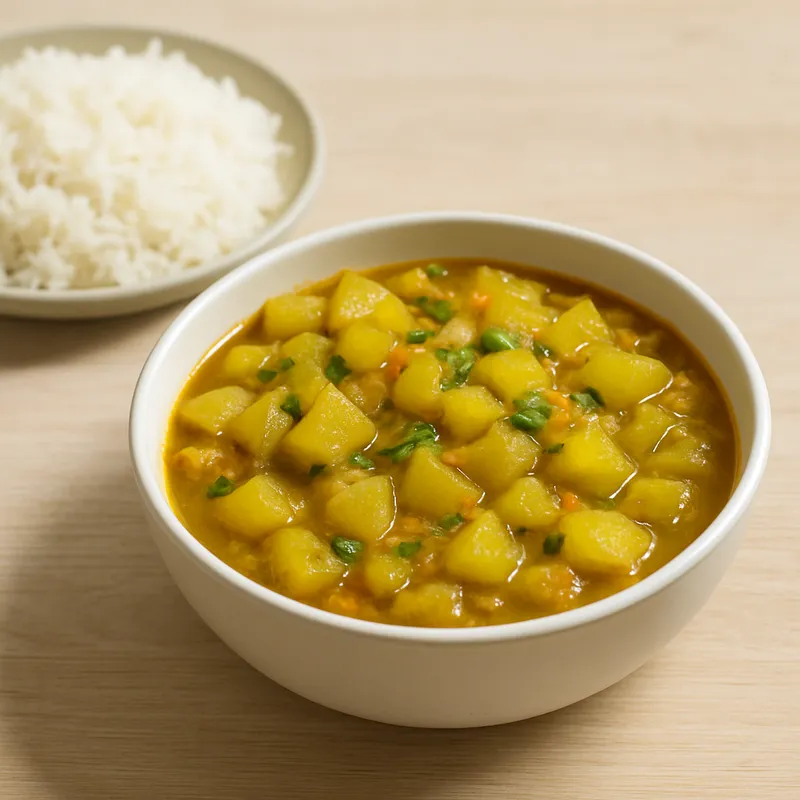
| Bottle Gourd (Lauki) | 15 | 0 | 1 medium bowl (cooked) | 15 kcal | 0.6g | 0.5g |
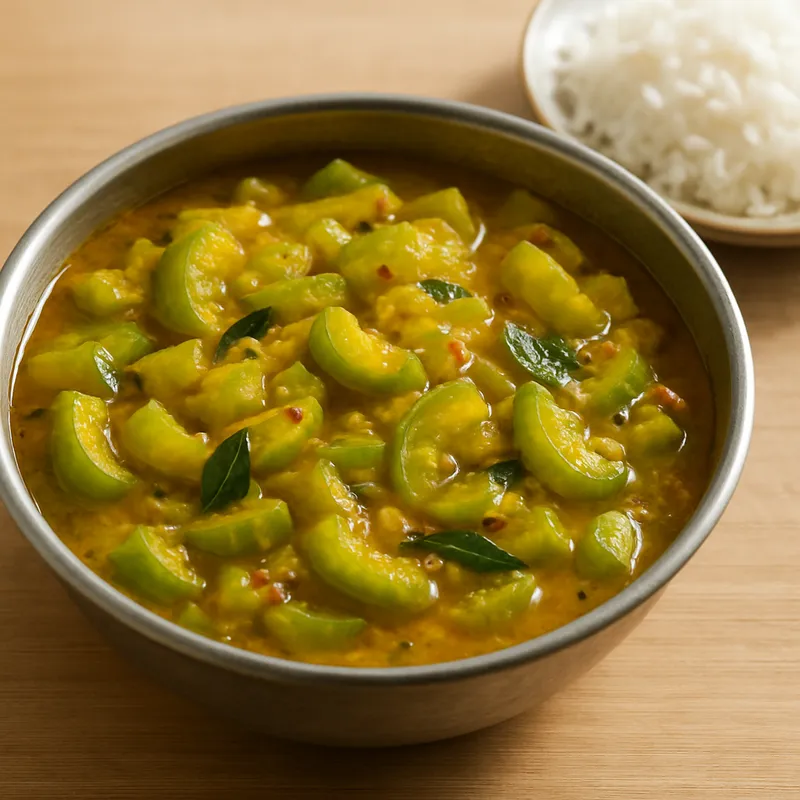
| Ridge Gourd (Turai) | 15 | 0 | 1 medium bowl (cooked) | 18 kcal | 1.2g | 1.5g |
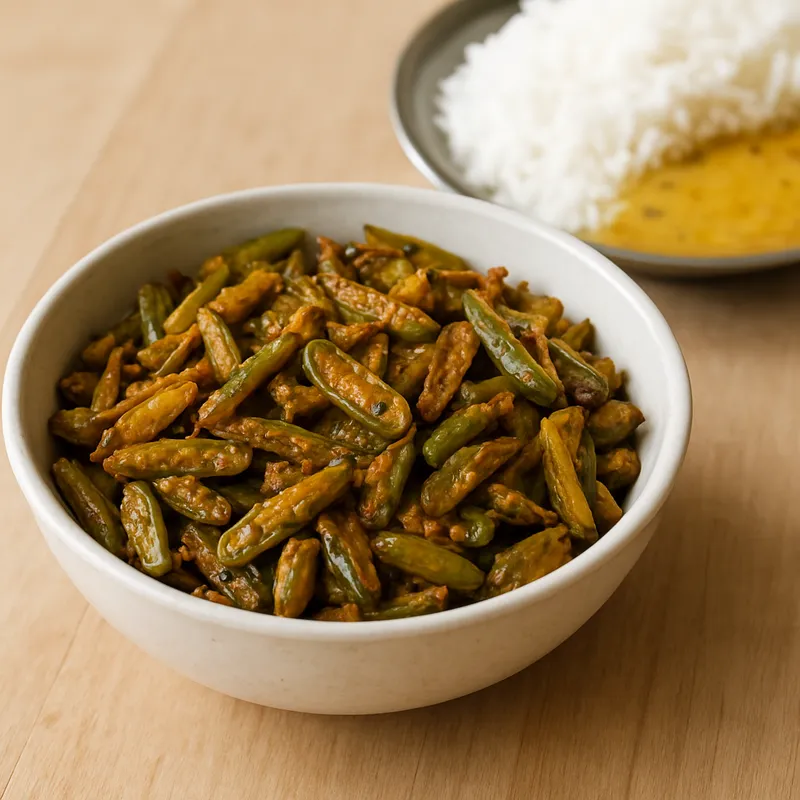
| Ivy Gourd (Tindora) | 15 | 0 | 1 medium bowl (cooked) | 20 kcal | 1.2g | 1.5g |
| Cluster Beans (Gawar / Guar) | 15 | 2 | 1 cup chopped | 48 kcal | 3.3g | 3.2g |
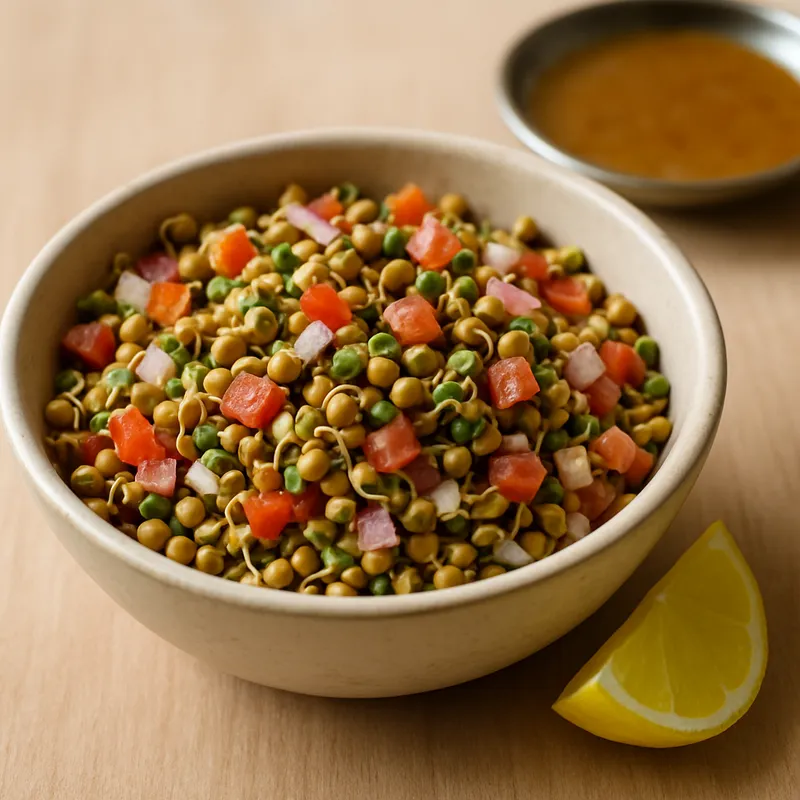
| Sprout Chaat | 25 | 3 | 1 medium bowl | 100 kcal | 7g | 5g |
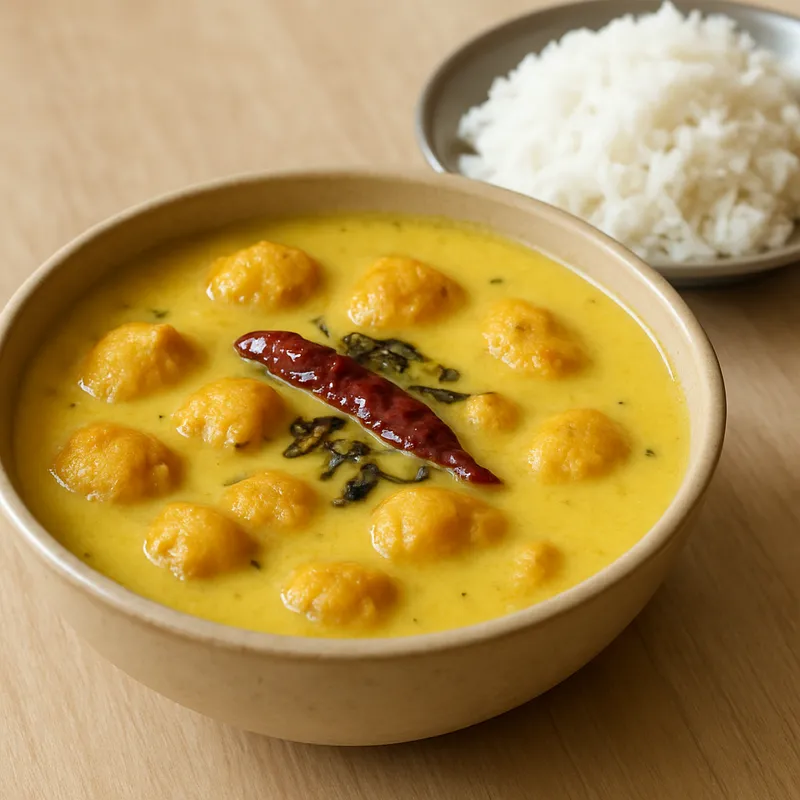
| Kadhi | 25 | 3 | 1 medium bowl | 120 kcal | 5g | 2g |
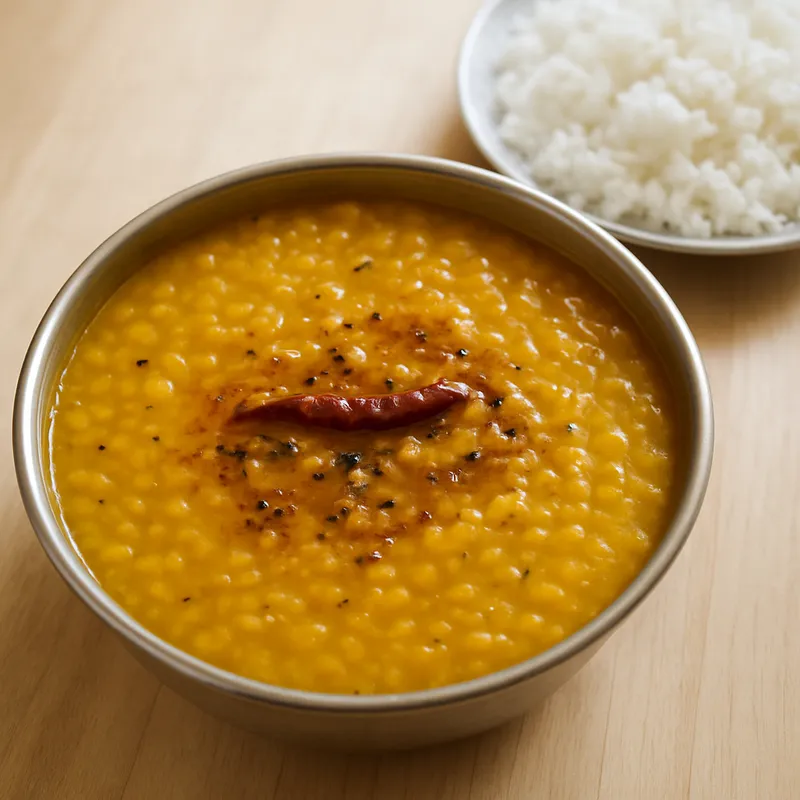
| Toor Dal (Arhar) | 29 | 4 | 1 medium bowl (cooked) | 120 kcal | 8g | 5g |
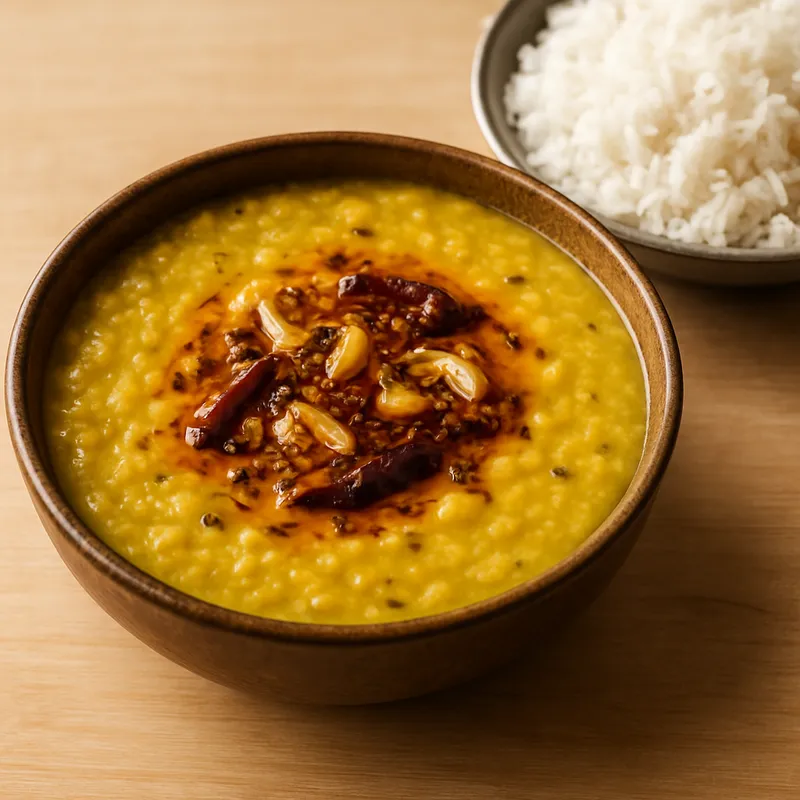
| Dal Tadka | 30 | 5 | 1 medium bowl | 130 kcal | 7g | 4.5g |
| Whole Green Moong (Sabut Moong, cooked) | 30 | 6 | 1 small bowl (cooked) | 105 kcal | 7g | 8g |
| Buffalo Milk | 30 | 3 | 1 glass (200 ml) | 194 kcal | 7.5g | 0g |
| Moong Dal | 31 | 5 | 1 medium bowl (cooked) | 105 kcal | 7.5g | 4g |
| Milk (Full Fat) | 31 | 4 | 1 glass | 150 kcal | 8g | 0g |
| Moth Beans (Matki, sprouted and cooked) | 35 | 7 | 1 small bowl (sprouted, cooked) | 117 kcal | 7g | 7g |
| Besan Chilla | 35 | 6 | 2 medium chillas | 220 kcal | 11g | 5g |
| Dhokla | 45 | 8 | 3-4 pieces | 140 kcal | 5g | 3g |
| Papad (Roasted) | 45 | 3 | 1 roasted papad | 50 kcal | 3g | 1g |
| Undhiyu | 45 | 10 | 1 bowl | 210 kcal | 6g | 7g |
| Khandvi | 48 | 9 | 5–6 rolls | 180 kcal | 7g | 2g |
| Multigrain Roti (Mixed Flours) | 51 | 12 | 1 medium roti | 140 kcal | 5g | 4.5g |
| Bajra Roti | 52 | 11 | 1 medium bajra roti | 160 kcal | 5g | 4.5g |
| Khakhra | 52 | 11 | 2 khakhras | 160 kcal | 5g | 4g |
| Handvo | 52 | 15 | 1 thick slice | 220 kcal | 7g | 4g |
| Bajra (Pearl Millet) | 55 | 15 | 1 medium bowl (cooked) | 170 kcal | 6g | 5g |
| Chikoo (Sapota) | 55 | 12 | 1 medium chikoo | 100 kcal | 0.6g | 5g |
| Pakora / Bhajiya | 55 | 10 | 4-5 pieces | 230 kcal | 5g | 3g |
| Thepla (Methi Thepla) | 55 | 13 | 1 medium thepla | 145 kcal | 4g | 3g |
| Sev | 56 | 11 | 1 small bowl | 220 kcal | 6g | 3g |
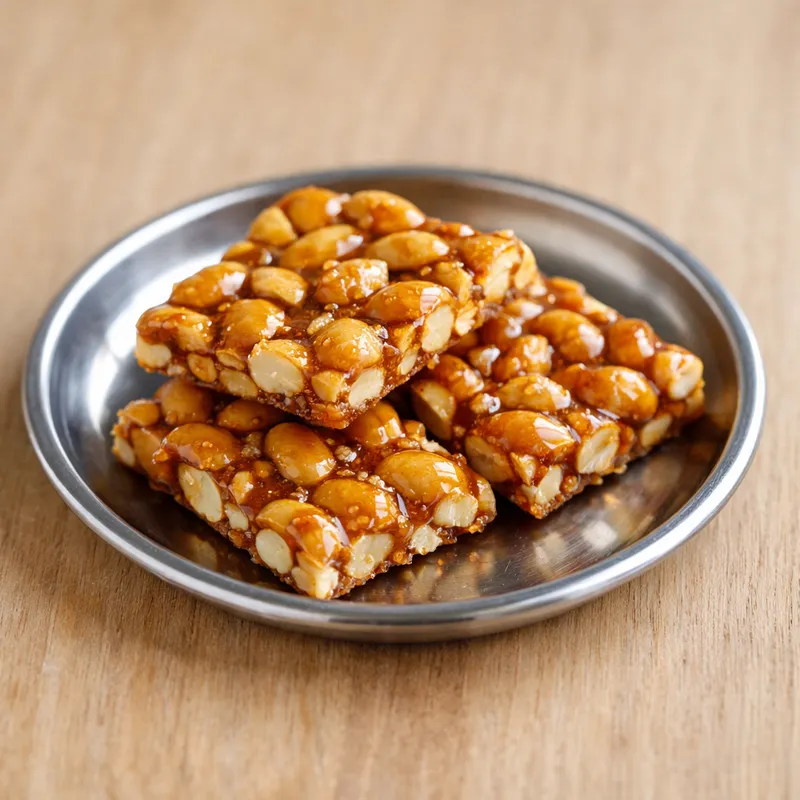
| Peanut Chikki | 58 | 7 | 1 piece | 125 kcal | 4g | 1g |
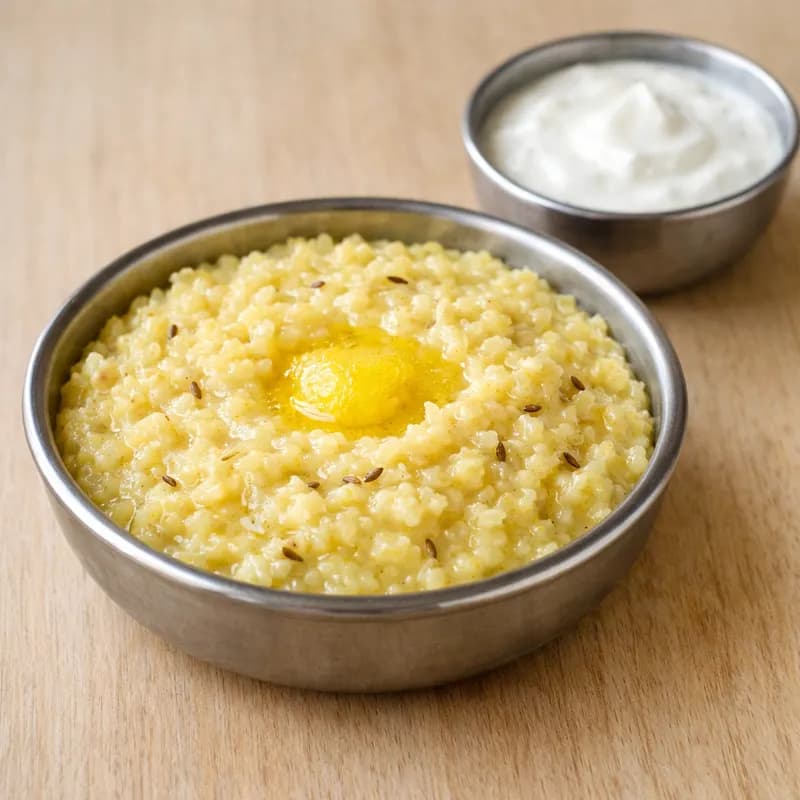
| Moong Dal Khichdi | 58 | 28 | 1 bowl | 280 kcal | 10g | 5g |
| Aloo Bhujia (Namkeen) | 58 | 8 | 1 small bowl (30 g) | 165 kcal | 4g | 2g |
| Chai (Milk Tea) | 60 | 6 | 1 cup (with 2 tsp sugar) | 80 kcal | 3g | 0g |
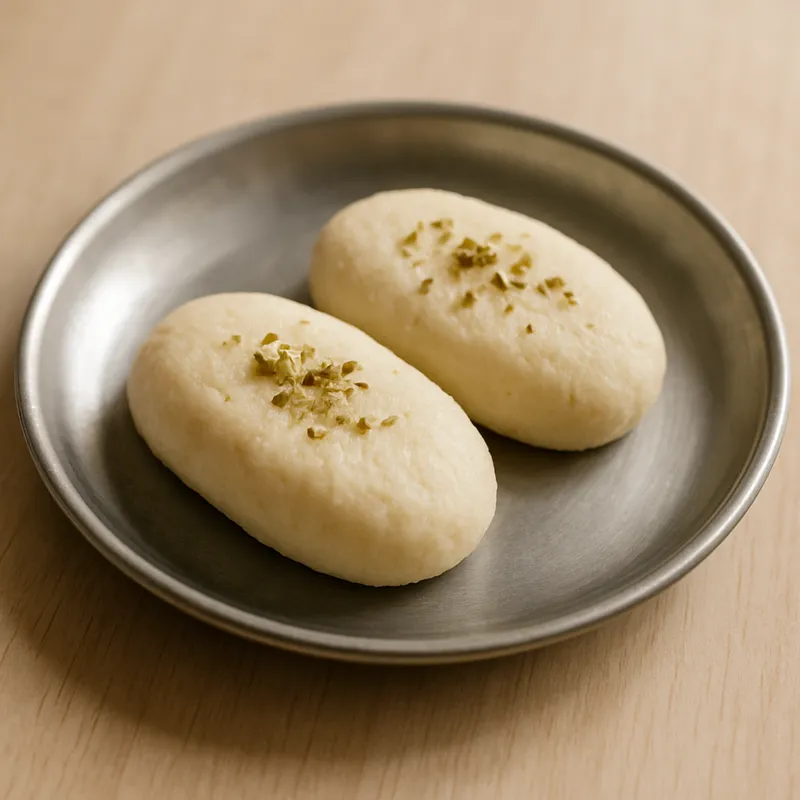
| Shrikhand | 61 | 18 | 1 small bowl | 230 kcal | 6g | 0.5g |
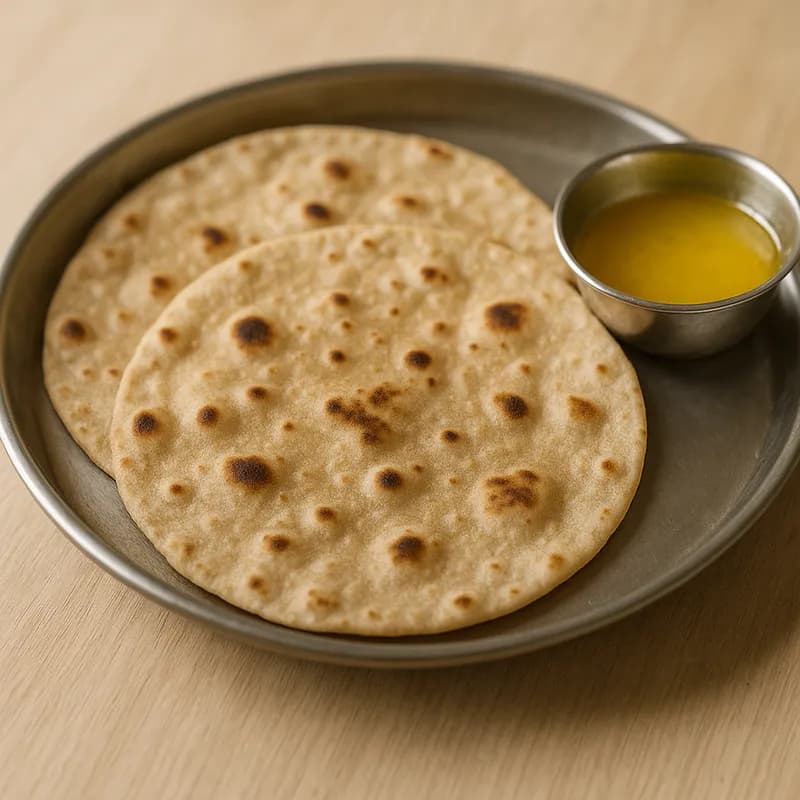
| Wheat Chapati | 62 | 12 | 2 medium chapatis | 170 kcal | 5.5g | 4g |
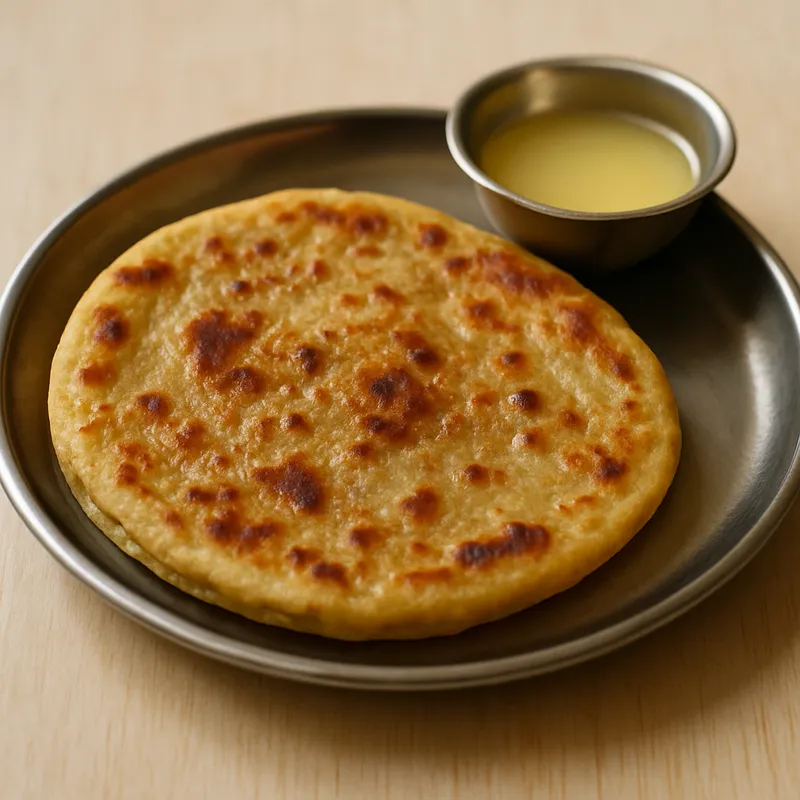
| Puran Poli | 62 | 28 | 1 piece | 280 kcal | 6g | 4g |
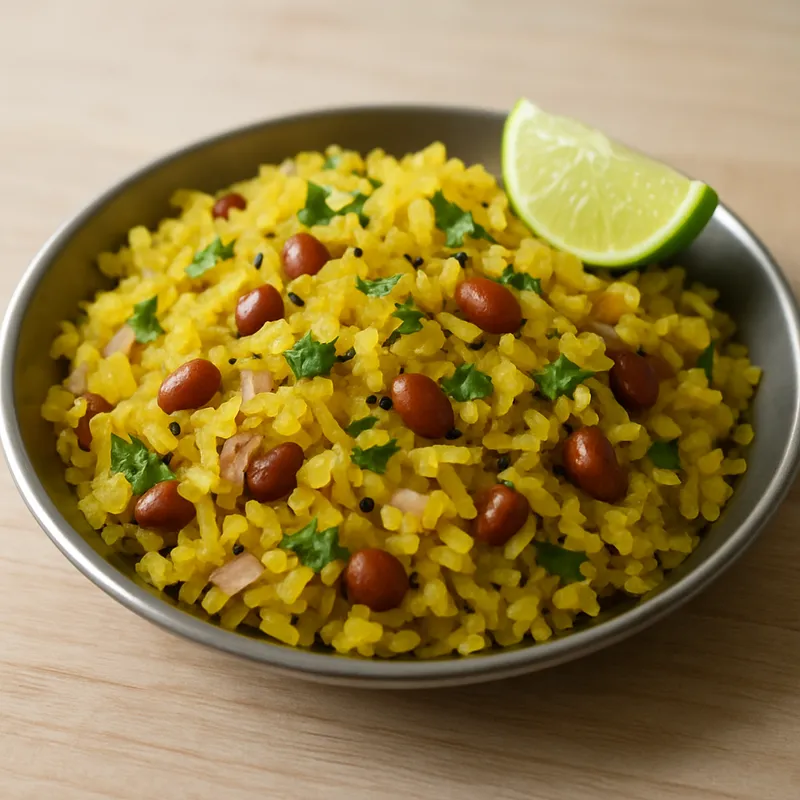
| Poha (Flattened Rice) | 64 | 16 | 1 medium plate | 200 kcal | 4g | 1.5g |
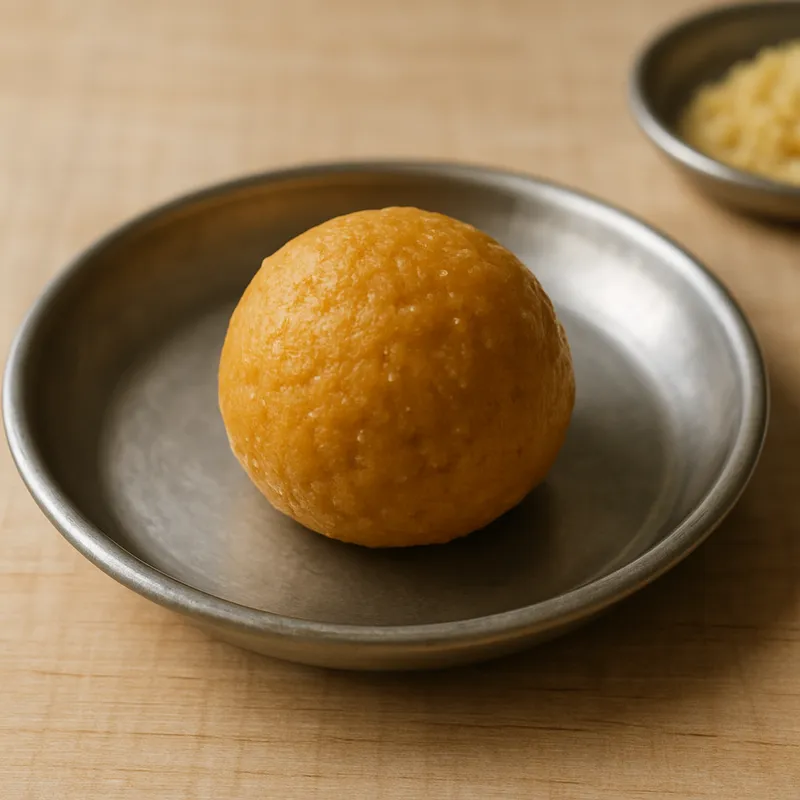
| Laddu (Besan) | 65 | 16 | 1 medium laddu | 210 kcal | 4g | 1.5g |
| Chakli | 65 | 14 | 2 pieces | 210 kcal | 4g | 2g |
| Pav Bhaji | 70 | 39 | 1 plate (2 pav with bhaji) | 400 kcal | 10g | 6g |
| Samosa | 72 | 16 | 1 medium samosa | 250 kcal | 4g | 1.5g |
| Soan Papdi | 74 | 17 | 1 cube (about 30g) | 145 kcal | 2g | 0.4g |
| Potato (Aloo) | 78 | 15 | 1 medium potato (boiled) | 130 kcal | 3g | 2.5g |
| Sabudana Khichdi | 79 | 32 | 1 medium bowl | 290 kcal | 5g | 2g |
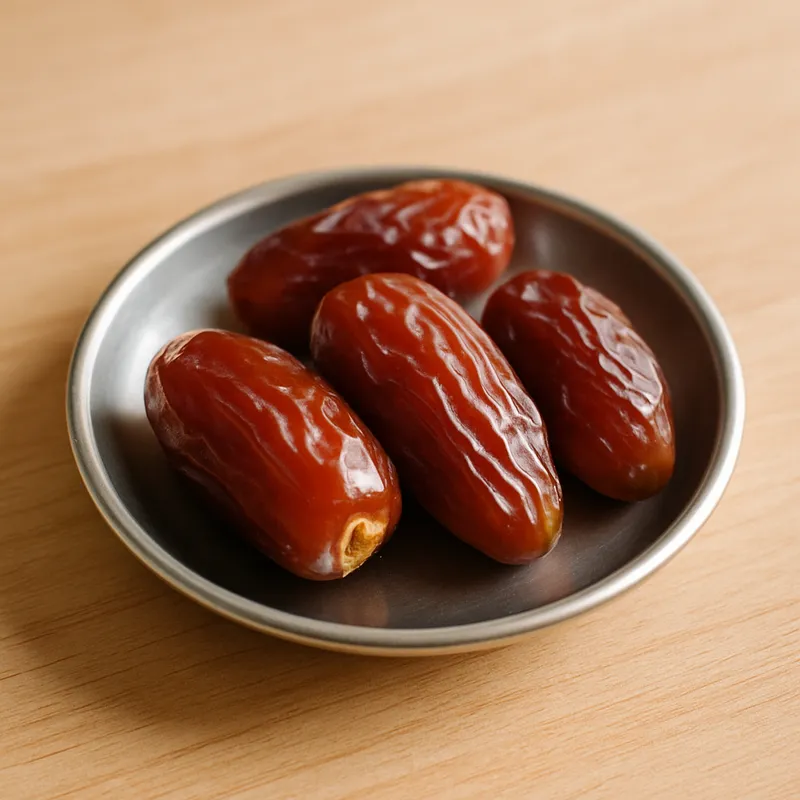
| Jaggery (Gud) | 84 | 8 | 1 small piece (10 g) | 38 kcal | 0g | 0g |
| Sabudana (Tapioca Pearls, Cooked) | 85 | 33 | 1 medium bowl (cooked khichdi) | 215 kcal | 1g | 1g |
| Jalebi | 90 | 30 | 2-3 pieces | 270 kcal | 2g | 0.1g |
| Rajgira (Amaranth) | 97 | 19 | 1 cup popped (30 g) | 112 kcal | 4g | 2g |
GL and nutrition are per serving. How these values are sourced
Low-GI Gujarati foods
GI 55 or below. These raise blood sugar slowly and make good everyday choices.
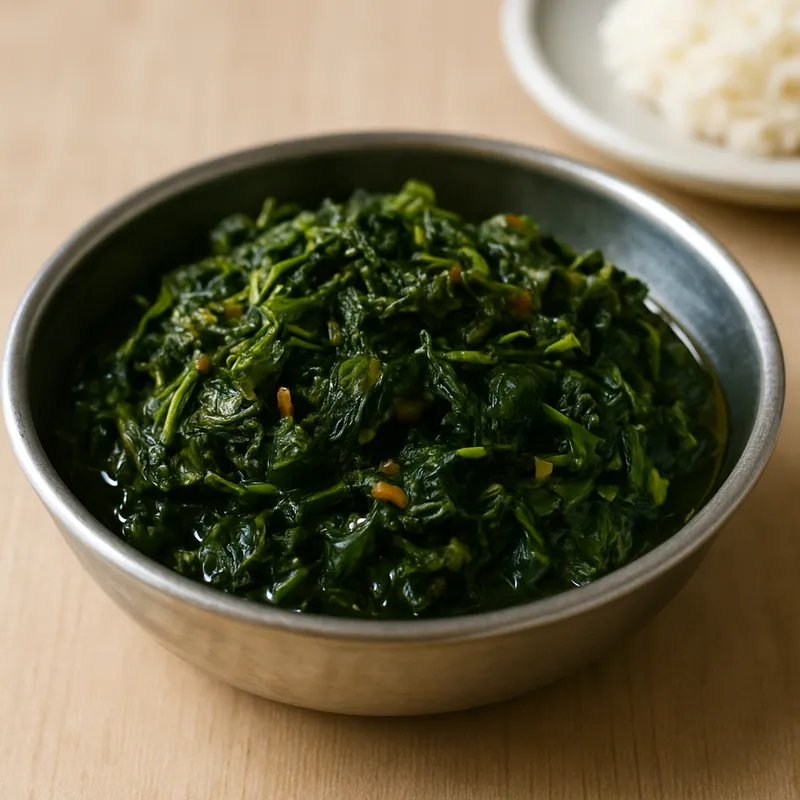 GI 5· Low
Methi (Fenugreek Leaves)
मेथी · మెంతికూర
Leafy green with proven blood sugar-lowering properties. Contains galactomannan fiber and 4-hydroxyisoleucine which improve insulin sensitivity.
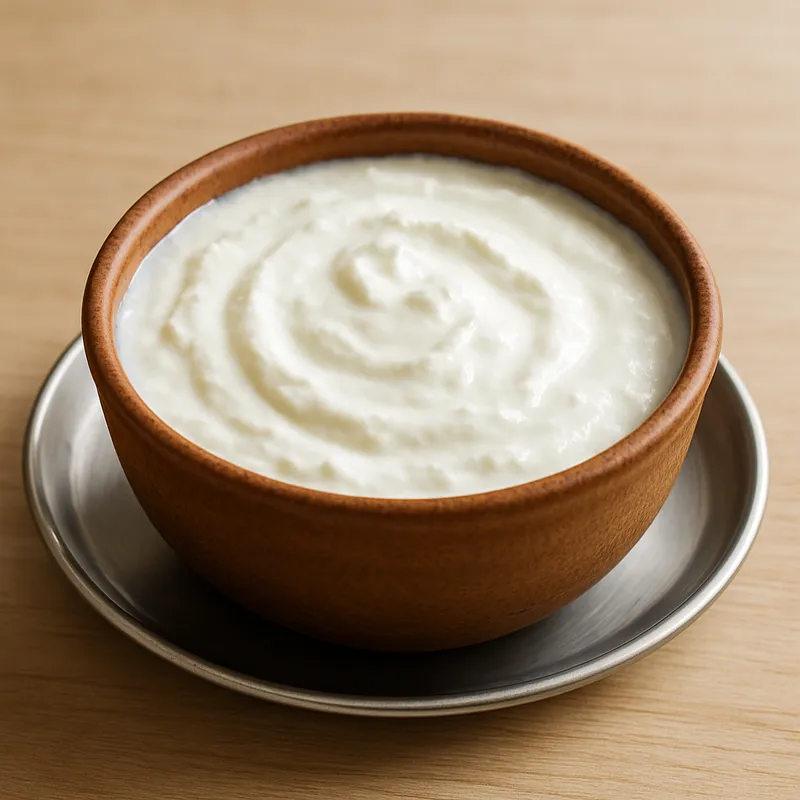 GI 14· Low
Curd / Yogurt (Dahi)
दही · పెరుగు
Plain homemade curd, a daily staple across India. Very low GI, probiotic benefits, and helps slow digestion of other foods when eaten together.
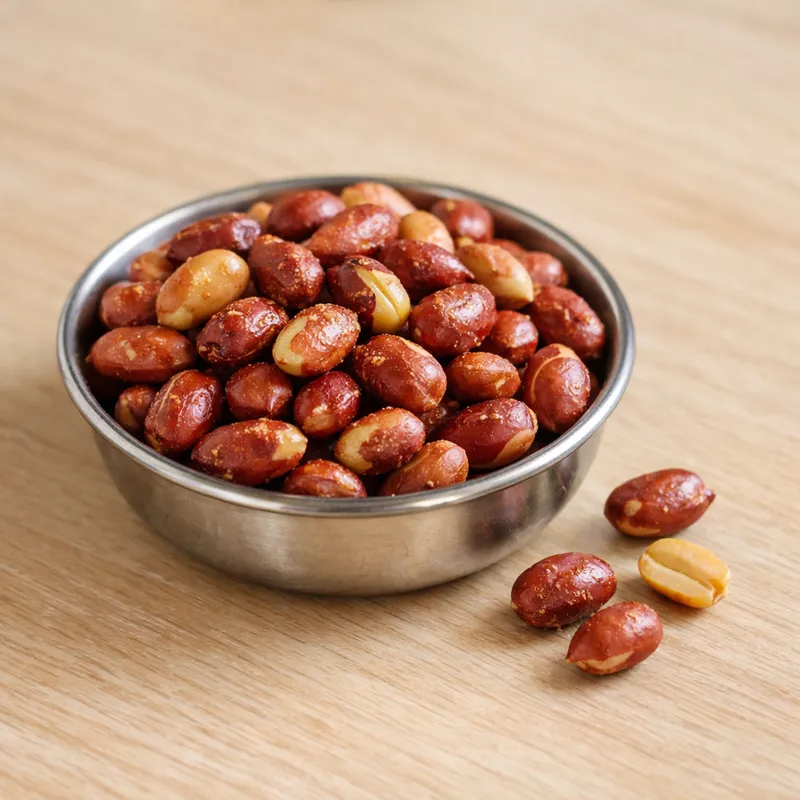 GI 14· Low
Roasted Peanuts (Moongphali)
मूंगफली · వేరుశెనగ పప్పు
India's everyday nut, technically a legume, eaten roasted in winter, in poha, chutneys and chikki. High in protein and fat with very little carbohydrate, peanuts have one of the lowest GIs of any food.
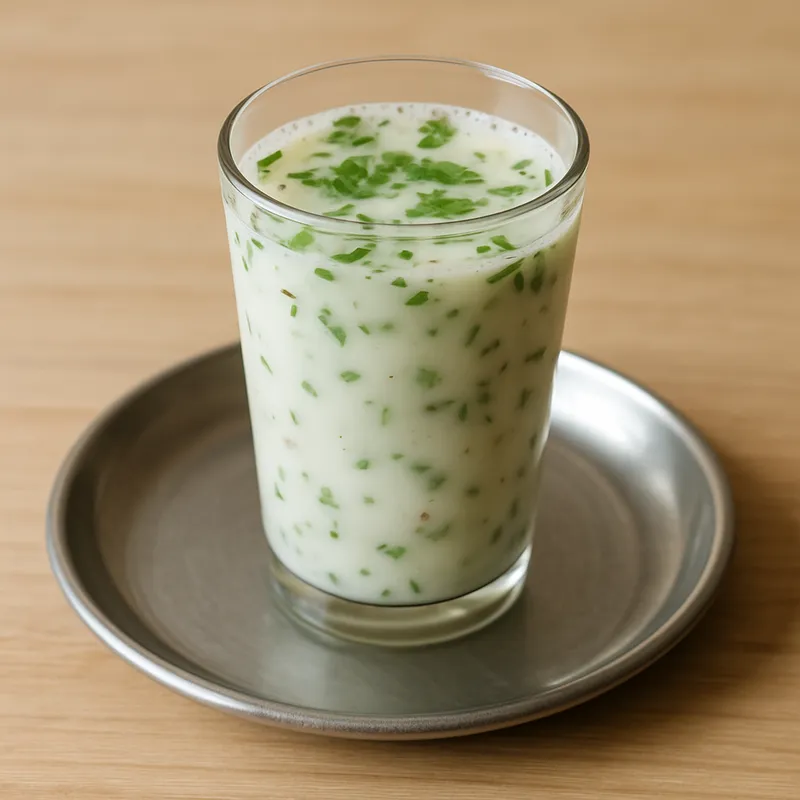 GI 15· Low
Buttermilk (Chaas)
छाछ · మజ్జిగ
Diluted curd with salt, cumin, and coriander. Virtually zero glycemic impact and great for digestion.
 GI 15· Low
Bottle Gourd (Lauki)
लौकी · సొరకాయ
Very low calorie gourd used in kofta, halwa, and sabzi. High water content makes it excellent for hydration and weight management.
 GI 15· Low
Ridge Gourd (Turai)
तुरई · బీరకాయ
Light, easy-to-digest gourd popular in South Indian cooking. Very low GI and calorie, good for everyday diabetic meals.
 GI 15· Low
Ivy Gourd (Tindora)
कुंदरू / तिंडोरा · దొండకాయ
Small gourd vegetable popular in South and West Indian cuisine. Research suggests it has anti-hyperglycemic properties.
 GI 15· Low
Cluster Beans (Gawar / Guar)
ग्वार फली · గోరు చిక్కుడు
Slightly bitter green beans very high in soluble fiber (guar gum), which makes them excellent for blood sugar control. Very low GI.
 GI 25· Low
Sprout Chaat
अंकुरित चाट · మొలకల చాట్
Mixed sprouts salad with onions, tomatoes, and lemon. One of the healthiest Indian snacks — high protein, low GI.
 GI 25· Low
Kadhi
कढ़ी · కడి / మజ్జిగ పులుసు
Yogurt-based curry thickened with besan (gram flour). Low GI from both curd and besan. Comfort food across North and West India.
 GI 29· Low
Toor Dal (Arhar)
तुअर दाल · కందిపప్పు
Split pigeon peas, the most widely consumed dal across India. Used in sambar, dal fry, and rasam.
 GI 30· Low
Dal Tadka
दाल तड़का · దాల్ తడ్కా
Tempered yellow dal (toor or moong) with ghee, cumin, and garlic. The most common everyday dal in Indian households.
Showing 12 of 30. The rest are in the ranked table above.
Medium-GI Gujarati foods
GI 56 to 69. Fine in moderate portions, ideally with protein or fiber on the plate.
 GI 56· Medium
Sev
सेव · సేవ్
Crunchy deep-fried gram-flour vermicelli namkeen. Medium GI from besan but high in fat and calories due to deep frying.
 GI 58· Medium
Peanut Chikki
मूंगफली चिक्की · పల్లీ పట్టీ
Crunchy brittle of roasted peanuts set in jaggery syrup, a winter and travel snack from Lonavala to Hyderabad. The peanuts slow digestion, but the jaggery still makes it a sweet with a medium GI.
 GI 58· Medium
Moong Dal Khichdi
मूंग दाल खिचड़ी · పెసరపప్పు కిచిడీ
Comfort meal of rice and yellow moong dal cooked soft with turmeric, cumin and ghee, eaten across India when unwell or tired. The dal adds protein and slows the rice a little, but a soft, mushy khichdi still gives a fairly quick rise.
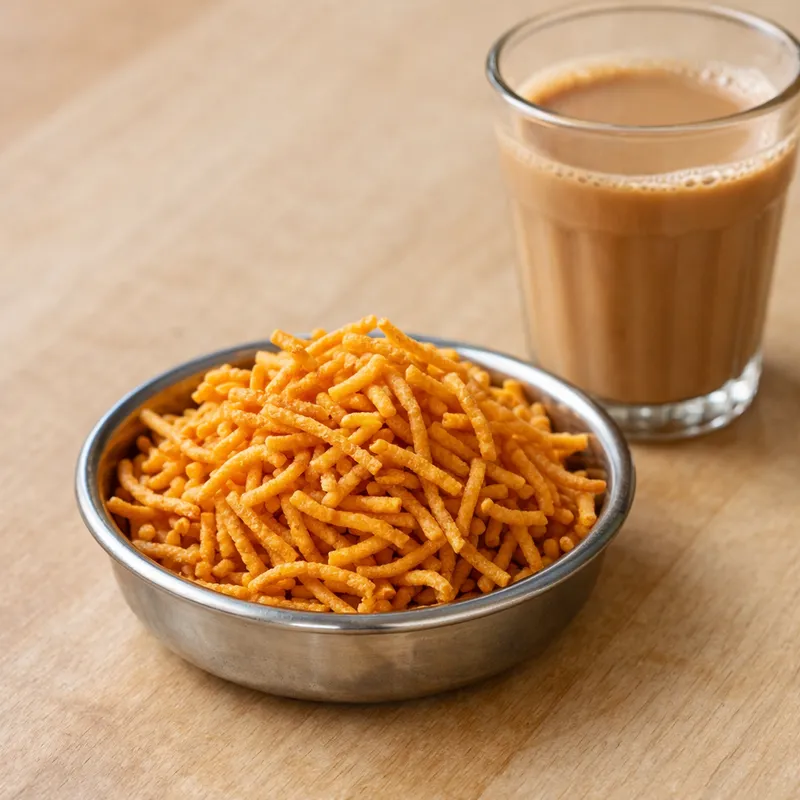 GI 58· Medium
Aloo Bhujia (Namkeen)
आलू भुजिया · ఆలూ భుజియా
Crisp fried sev of besan and potato, the classic Bikaneri namkeen served with chai and to guests. Besan keeps the GI moderate, but it is deep fried and very easy to keep eating.
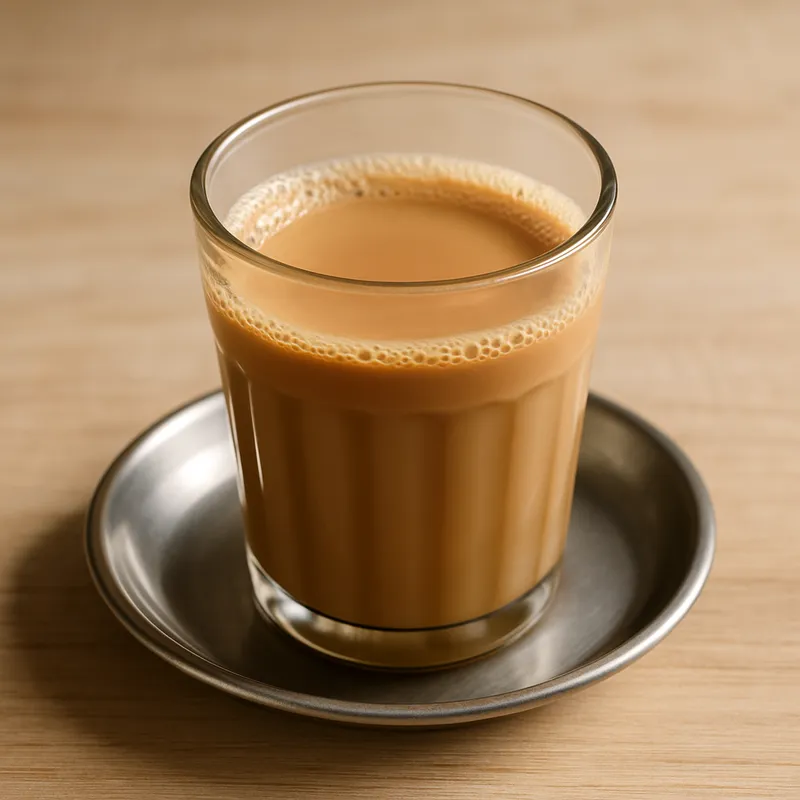 GI 60· Medium
Chai (Milk Tea)
चाय · టీ / చాయ్
Indian milk tea with sugar. The GI depends heavily on sugar added — without sugar it has minimal glycemic impact.
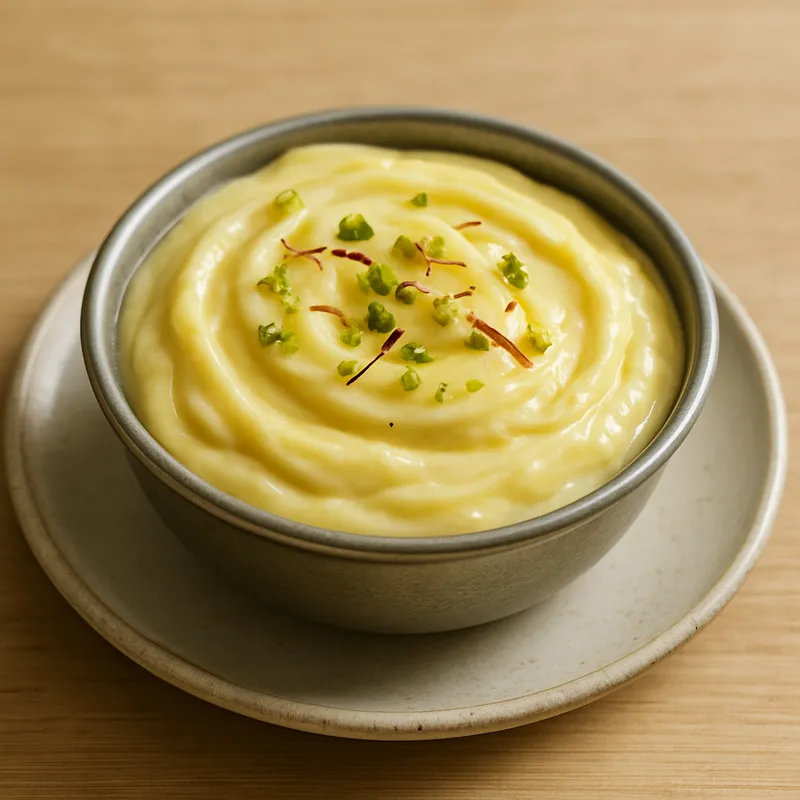 GI 61· Medium
Shrikhand
श्रीखंड · శ్రీఖండ్
A Gujarati and Maharashtrian dessert of strained, sweetened hung curd flavoured with cardamom and saffron. The dairy base tempers the sugar, but it is still a sweet to enjoy in moderation.
 GI 62· Medium
Wheat Chapati
चपाती · చపాతి
Whole wheat flatbread, the most common bread in North India. Moderate GI with good fiber content from whole wheat.
 GI 62· Medium
Puran Poli
पूरन पोली · పూరణ్ పోలి
A festive sweet flatbread from Maharashtra and Gujarat, stuffed with a cooked chana dal and jaggery filling. The dal adds protein and fiber, but the jaggery keeps it a medium-GI treat.
 GI 64· Medium
Poha (Flattened Rice)
पोहा · అటుకులు
Flattened rice cooked with onions, peanuts, and spices. Popular breakfast in Maharashtra and Madhya Pradesh.
 GI 65· Medium
Laddu (Besan)
बेसन लड्डू · బేసన్ లడ్డూ
Gram flour, ghee, and sugar sweets. The besan base provides some protein, but the sugar and ghee make it calorie-dense.
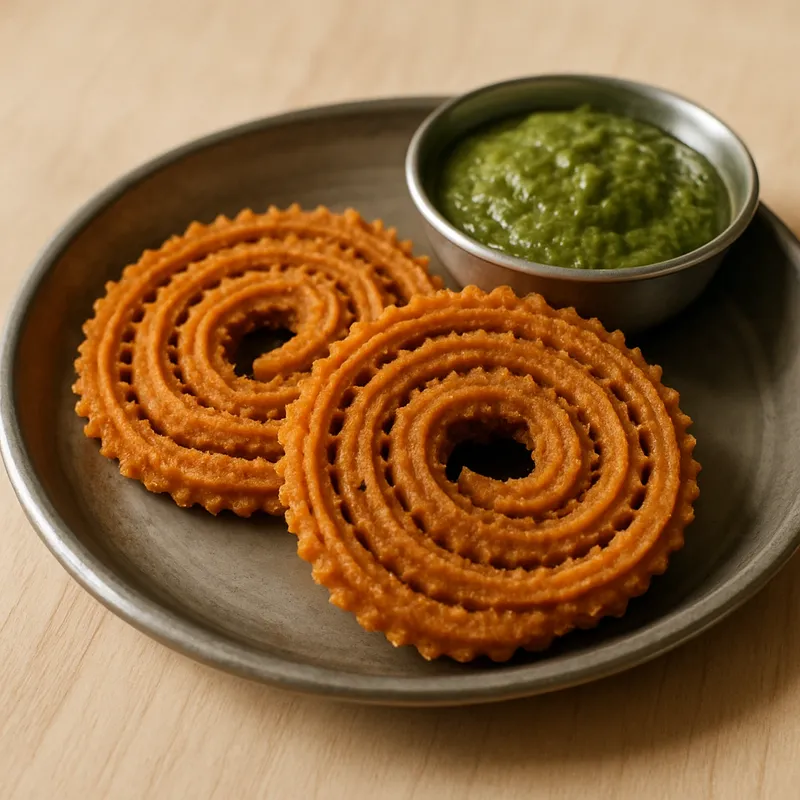 GI 65· Medium
Chakli
चकली · చక్లి
Spiral deep-fried snack of rice and gram flour, also known as murukku. Medium-high GI and calorie-dense from frying.
High-GI Gujarati foods to keep small
GI 70 or above. These raise blood sugar fastest, so keep portions small and have them with a meal.
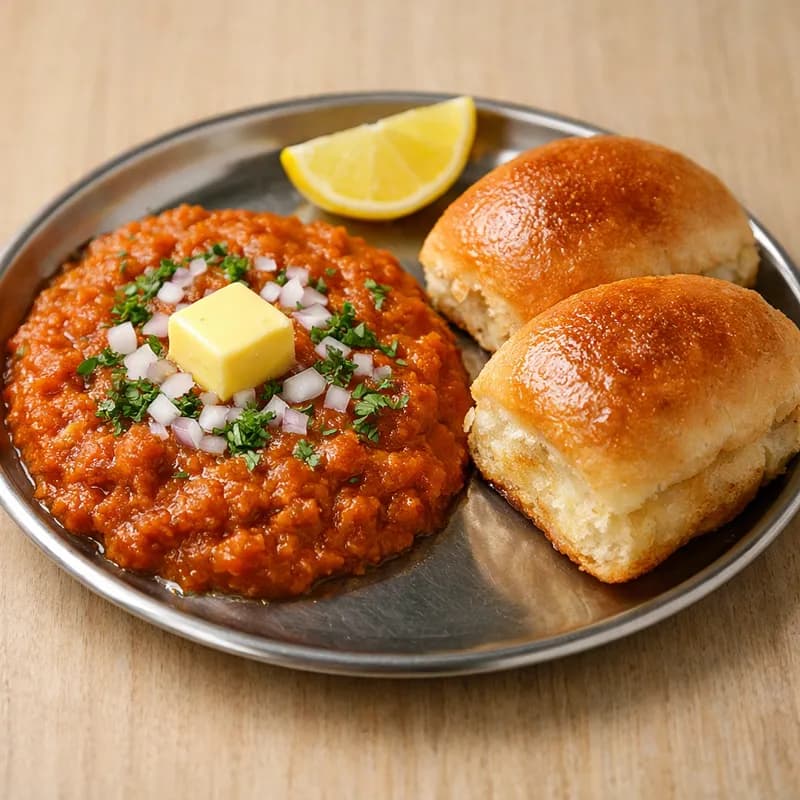 GI 70· High
Pav Bhaji
पाव भाजी · పావ్ భాజీ
Mumbai street favourite of buttery, spiced mashed-vegetable bhaji (mostly potato) with soft maida pav toasted in butter. The refined-flour buns and potato make it a high-GI, high-calorie meal.
 GI 72· High
Samosa
समोसा · సమోసా
Deep-fried pastry with spiced potato filling. High GI from refined flour outer and potato filling, plus deep frying adds calories.
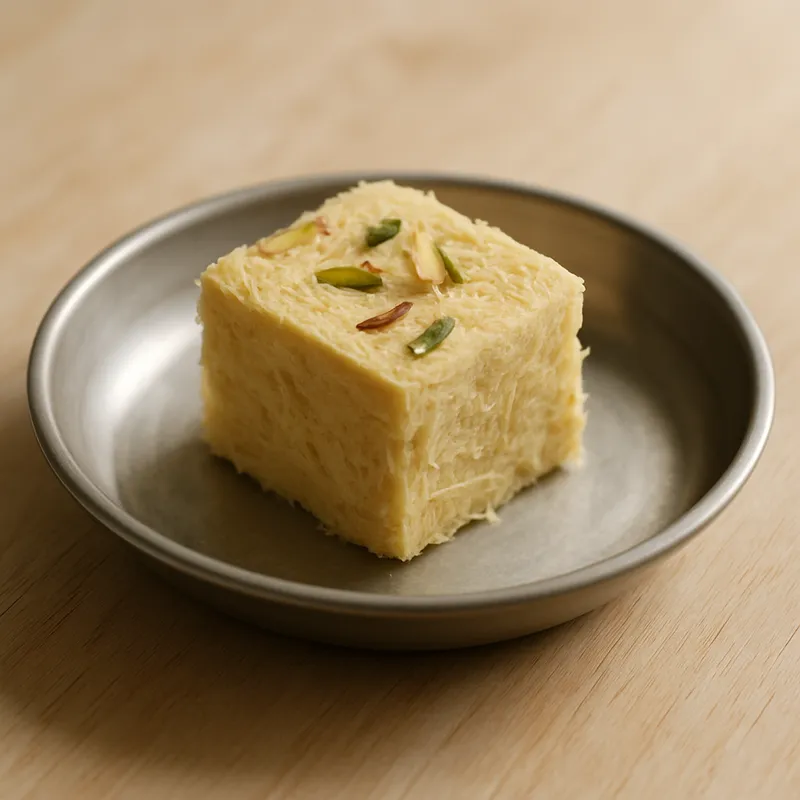 GI 74· High
Soan Papdi
सोन पापड़ी · సోన్ పాప్డి
Flaky, crisp cube of gram and refined flour spun with sugar syrup and ghee. High GI from sugar and refined flour.
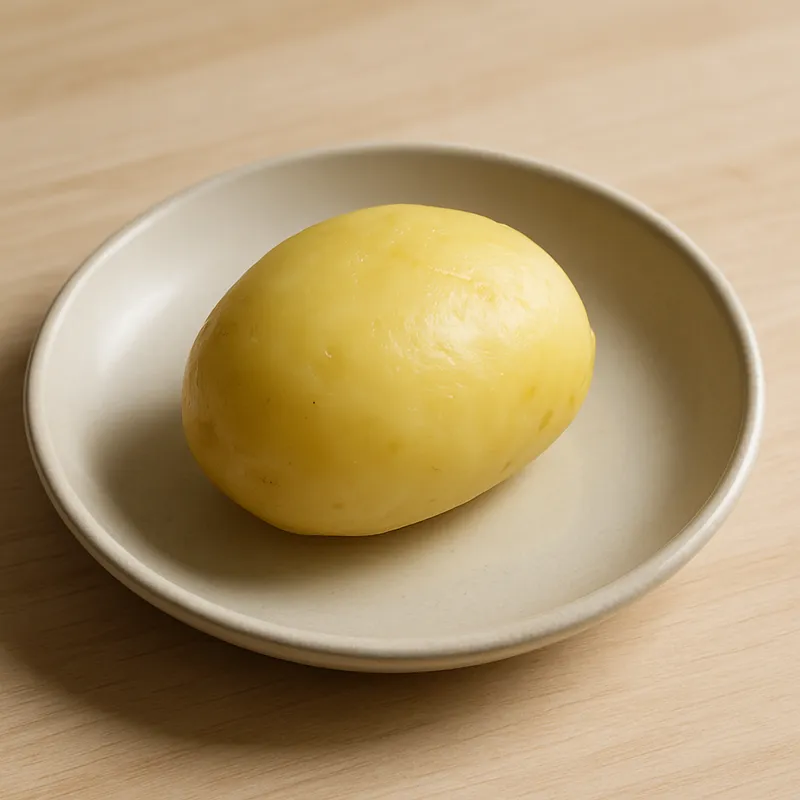 GI 78· High
Potato (Aloo)
आलू · బంగాళాదుంప
The most consumed vegetable in India. High GI makes it a concern for diabetics, though cooking method matters significantly.
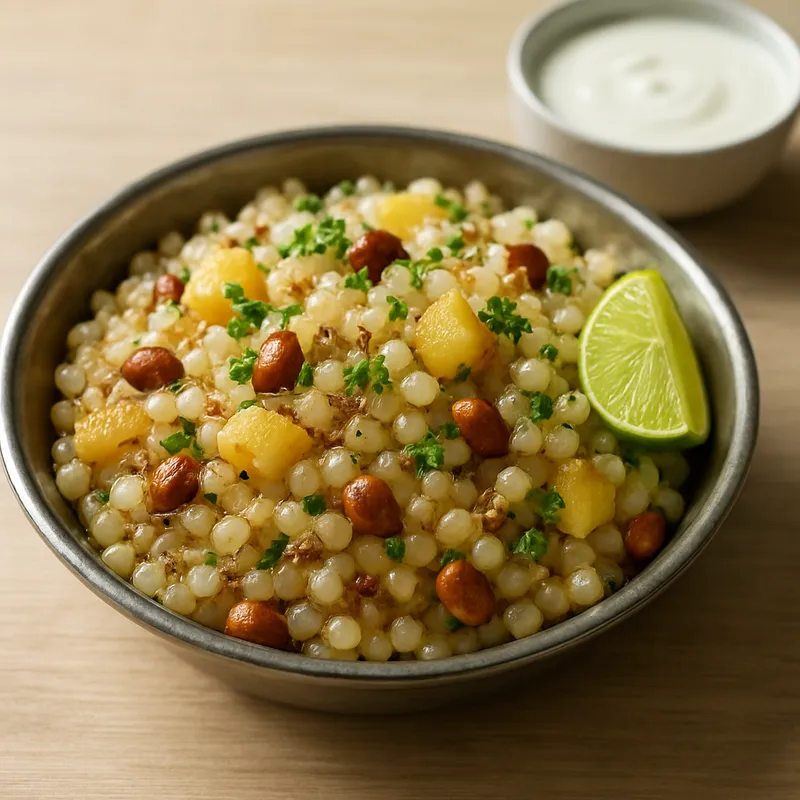 GI 79· High
Sabudana Khichdi
साबूदाना खिचड़ी · సగ్గుబియ్యం కిచిడీ
A fasting-day dish of soaked tapioca pearls tossed with peanuts, potatoes and cumin. Almost pure starch, giving it a high glycemic index despite the peanuts.
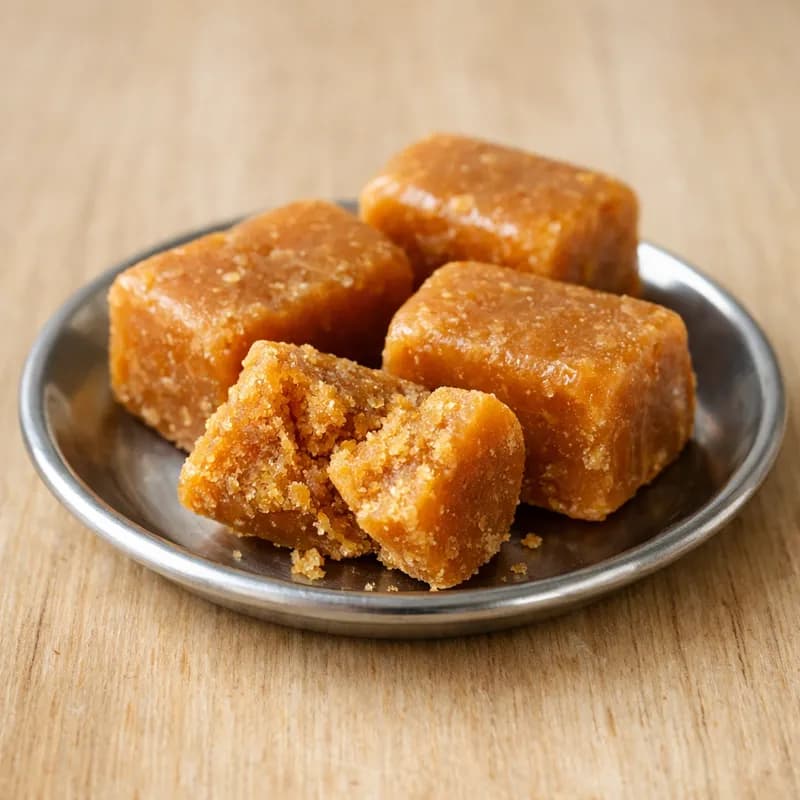 GI 84· High
Jaggery (Gud)
गुड़ · బెల్లం
Unrefined cane sugar boiled down into solid blocks, used in sweets, chai, chikki and after meals. It carries traces of iron and minerals, but it is still about 97% sugar and raises blood sugar about as fast as white sugar.
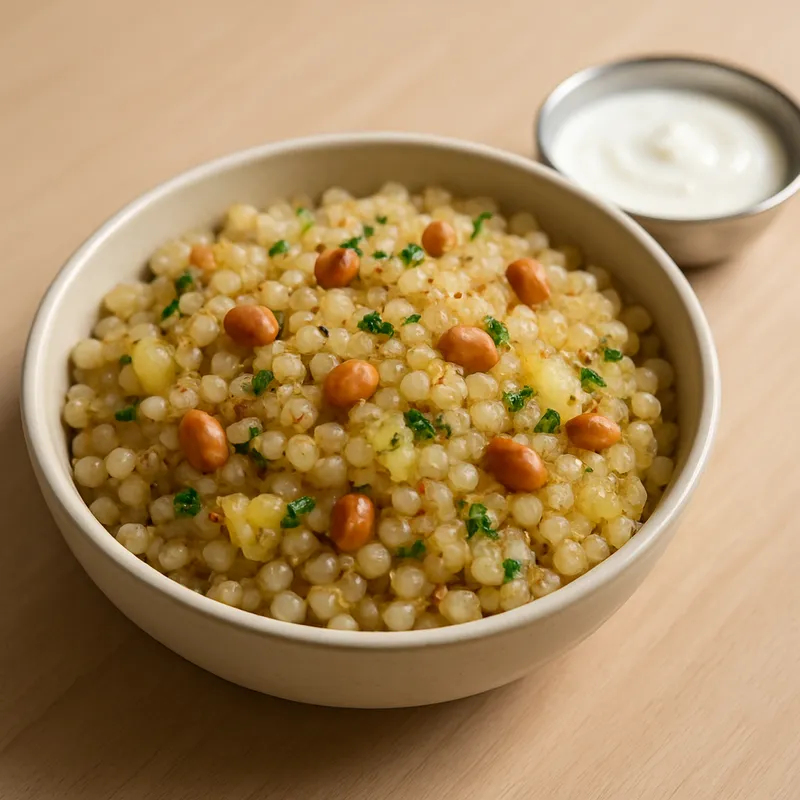 GI 85· High
Sabudana (Tapioca Pearls, Cooked)
साबूदाना · సగ్గుబియ్యం
Tapioca pearls made from cassava starch, commonly eaten during fasting as khichdi or kheer. Almost pure starch, giving it a very high GI and minimal fiber or protein.
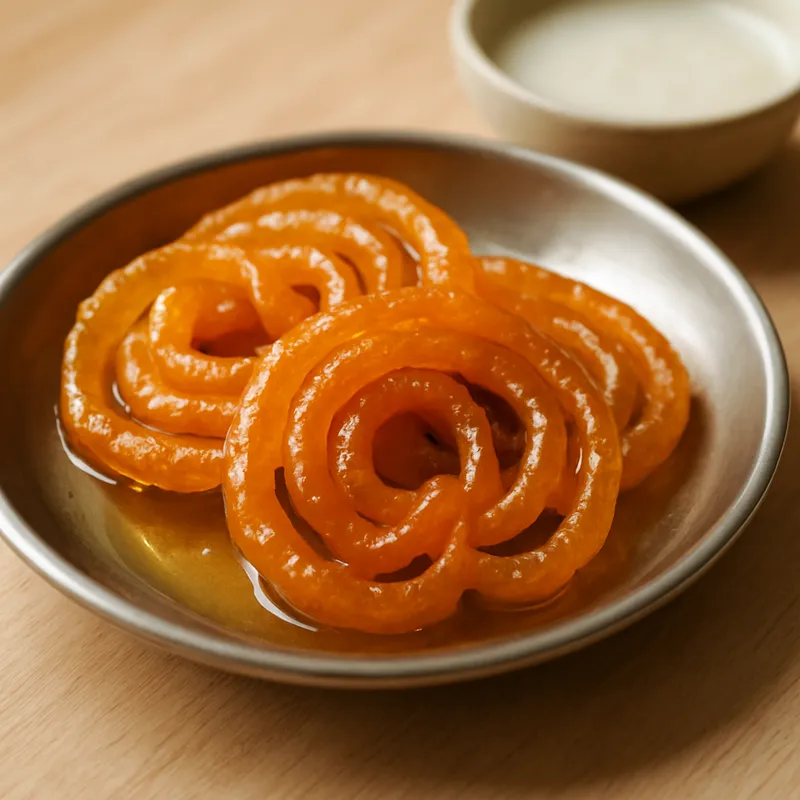 GI 90· High
Jalebi
जलेबी · జిలేబి
Deep-fried fermented batter spirals soaked in sugar syrup. One of the highest GI Indian sweets.
 GI 97· High
Rajgira (Amaranth)
राजगिरा · రాజగిరా (తోటకూర గింజలు)
Tiny amaranth seeds, popped and eaten as a fasting (vrat) food in ladoos, chikki, kheer and rotis. It is rich in protein and calcium, but popping turns the starch so easy to digest that it raises blood sugar almost as fast as glucose.
Which is better? Side-by-side comparisons
Related guides
Common questions
Is Gujarati food good for diabetes?
Largely, yes: 30 of the 50 Gujarati foods in our database are low GI. Foods like Cluster Beans (Gawar / Guar) (15), Sprout Chaat (25), Kadhi (25) raise blood sugar slowly, while Rajgira (Amaranth) (97), Jalebi (90), Sabudana (Tapioca Pearls, Cooked) (85) raise it fastest and are best kept to small portions.
Which Gujarati foods have the lowest glycemic index?
The lowest-GI Gujarati foods in our database are Cluster Beans (Gawar / Guar) (15), Sprout Chaat (25), Kadhi (25), Toor Dal (Arhar) (29), Dal Tadka (30).
Which Gujarati foods should diabetics limit?
The highest-GI Gujarati foods are Rajgira (Amaranth) (97), Jalebi (90), Sabudana (Tapioca Pearls, Cooked) (85), Sabudana Khichdi (79), Potato (Aloo) (78). You don't have to avoid them entirely — keep portions small and pair them with protein, fiber or curd.
Sugar ke mareez ke liye kaun sa Gujarati khana sabse accha hai?
Gawar, sprout chaat, kadhi, arhar dal jaise options sabse behtar hain, kyunki inka GI kam hai aur yeh sugar dheere badhate hain. rajgira, jalebi, sabudana kam matra mein hi lein, aur dal, sabzi ya dahi ke saath khayein.
Can diabetics eat dhokla?
Yes, in sensible portions. Dhokla is steamed and made from fermented gram flour (besan), giving it a GI of 45 (low GI) and a glycemic load of 8 per 3-4 pieces. Go easy on the sugar-syrup tempering some recipes use, and pair it with green chutney rather than sweet chutney.
Building a full meal? Add foods to the meal calculator to see the glycemic load of the whole plate, or browse the complete list of low-GI Indian foods.